
Donald Trump’s appearance at Madison Square Garden for a UFC event in November 2024 drew significant public attention, quickly becoming a focal point for late-night television hosts who used the moment to highlight the polarized reception the former president often faces in high-profile public settings. While Trump was greeted by cheers from many attendees at the venue, various late-night programs, including The Late Show with Stephen Colbert and Late Night with Seth Meyers, focused their segments on the vocal disapproval he encountered, framing the event through the lens of political satire and celebrity culture.
The incident at Madison Square Garden—a venue that has historically hosted both high-stakes athletic competitions and major political rallies—prompted a wave of commentary regarding the intersection of sports and presidential politics. According to reporting from The New York Times, the atmosphere inside the arena was heavily curated to highlight the president-elect’s support base, yet the visual and auditory contrast between the cheering crowd and the broader public reaction became the primary subject for late-night monologue writers.
How Late-Night Hosts Framed the Appearance
Late-night television has long served as a barometer for cultural reactions to political figures. In the days following the UFC event, hosts utilized the appearance to explore the ongoing divide in American political sentiment. Stephen Colbert, during his opening monologue, characterized the reception as a study in contrast, noting that while the arena environment was designed to project unity, the reality of public opinion remained deeply fractured. This approach follows a long tradition of late-night satire, where hosts use specific, high-profile events to distill complex political narratives into digestible, comedic segments for a global audience.
Seth Meyers took a similar approach, focusing on the optics of the event. Meyers highlighted the specific choreography of Trump’s entrance, which included an entourage of high-profile supporters, such as tech entrepreneur Elon Musk and House Speaker Mike Johnson. By emphasizing the theatrical nature of the appearance, Meyers and other commentators aimed to deconstruct the “rally-like” atmosphere that has become a hallmark of Trump’s public outings, even when those outings take place in non-political venues like professional sporting events.
The Intersection of Politics and Sports Arenas
The practice of politicians attending sporting events is not new, but the reaction in recent years has become increasingly volatile. Historically, presidents have attended events such as the World Series or the Army-Navy game, often receiving a mix of applause and boos, a phenomenon documented by the American Presidency Project. However, the specific intensity of the reaction at Madison Square Garden reflects a broader trend in which sports arenas are increasingly viewed as extensions of the national political stage.
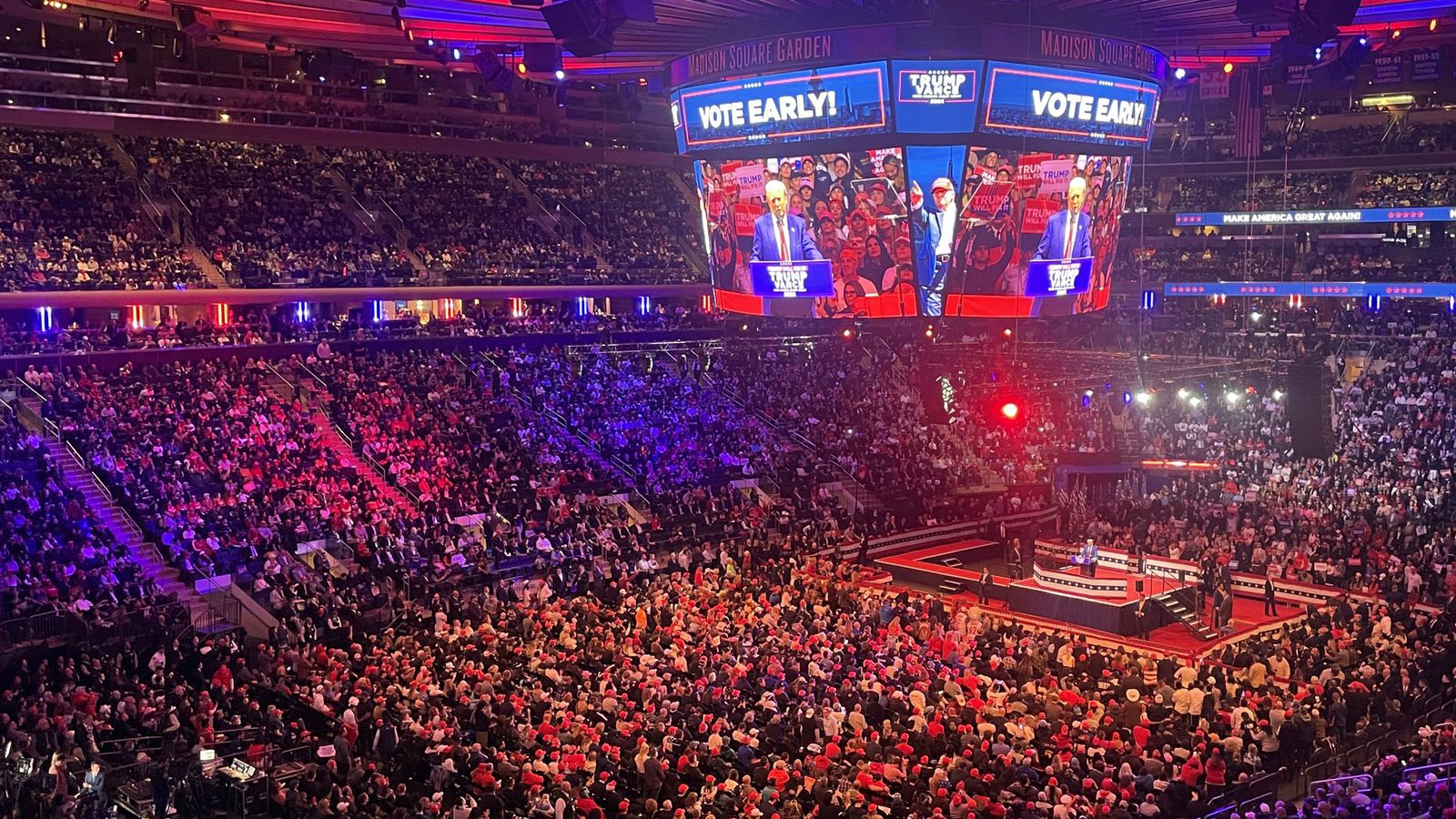
For many observers, the significance of the event lies in how these venues have transitioned into sites of political signaling. When a political figure attends a UFC fight, the audience composition—often skewing younger and more male—serves as a specific demographic test. The vocal dissent mentioned by late-night hosts is often contrasted with the enthusiastic support of the internal crowd, creating a “two-reality” narrative that defines modern political coverage. This environment forces attendees and viewers alike to interpret the same event through vastly different ideological filters.
Historical Precedent and Public Reception
Comparing presidential reactions across different eras is a common trope in political commentary. While some social media discourse attempted to compare the reaction at the Garden to historical presidential sporting appearances, such comparisons often lack the nuance of the specific cultural contexts of those times. According to historical records from the Library of Congress, presidential attendance at public events has always been a high-stakes endeavor, with the reception often dictated by the economic and social climate of the moment rather than just the personal popularity of the individual.
The late-night commentary serves as a modern reflection of this historical tension. By focusing on the “jinx” or the “booing” narrative, hosts are not merely reporting on an event; they are participating in the cultural processing of a political figure who consistently breaks the norms of traditional presidential behavior. This engagement ensures that the event remains relevant in the news cycle long after the final fight of the night has concluded.
What Happens Next?
As the political landscape continues to shift, the visibility of high-ranking officials at major entertainment and sports venues will likely remain a point of contention. Future appearances will be monitored by both political analysts and media critics to see if the reaction patterns hold. For those interested in tracking the official schedule of the president-elect, updates are typically provided through the official White House transition communications, which serve as the primary source for verified public engagements and policy announcements.

The ongoing dialogue between late-night television and political events underscores the role of entertainment media in shaping public perception. While the satire may be sharp, it remains a vital component of how the American public processes the actions of its leaders. Readers are encouraged to share their thoughts on the role of sports arenas in modern politics in the comments section below or join the conversation on our social media platforms.