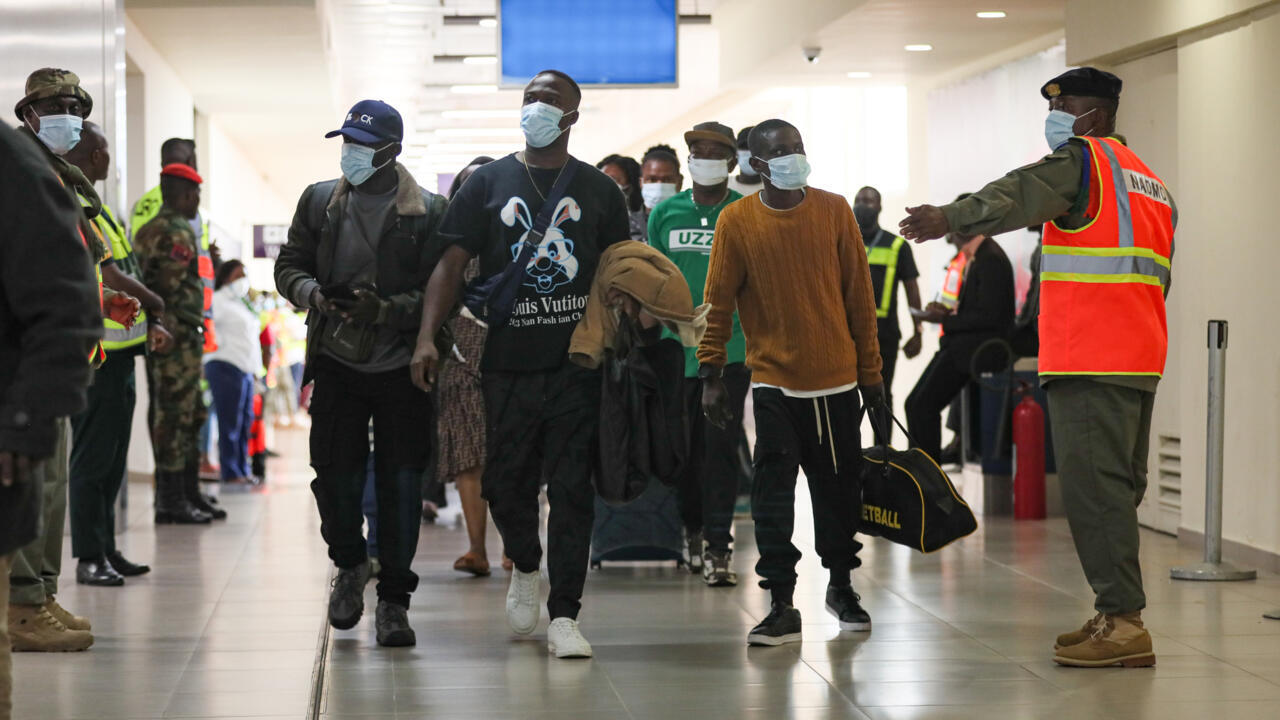
Ghanaian President John Mahama has intensified his call for the African Union to address escalating anti-immigrant violence in South Africa, according to France24. Mahama stated that authorities in South Africa do not appear to be responding to the magnitude of the crisis as expected, noting that the individuals funding the attacks are known yet remain free. Weeks of protests and unrest targeting immigrants have rocked South Africa, where foreign nationals are accused of taking jobs and resources. According to France24, more than 160,000 foreign nationals have left the country, and several individuals have died over a two-month period.
Ghana President Pushes AU to Address Escalating South Africa Violence
Mahama first pushed for the continental body to debate the violence in May. AU Commission chairperson Mahmoud Ali Youssouf acknowledged the urgent need to table the discussion for the bloc’s next summit scheduled for February. Mahama noted that placing the matter on the agenda gives South Africa a formal and constructive platform to share its perspective and work toward a lasting solution. Youssouf described the violence as a major source of concern for the commission, adding that he had previously met with South Africa’s foreign minister, Ronald Lamola.
Diplomatic Outreach and Bilateral Engagement
In an effort to mend bilateral relations, South African International Relations and Cooperation Minister Ronald Lamola met with President Mahama in Ghana, as reported by Business Day. Lamola served as a special envoy for South African President Cyril Ramaphosa. During their discussions, Lamola emphasized that South Africa highly values its relationship with Ghana and expressed deep regret over the emerging anti-immigrant sentiment. DIRCO Director-General Zane Dangor noted that Lamola condemned criminal acts such as vigilante demands for immigration proof, while also calling for a regional conversation regarding irregular migration push and pull factors within the Southern African Development Community and the AU.
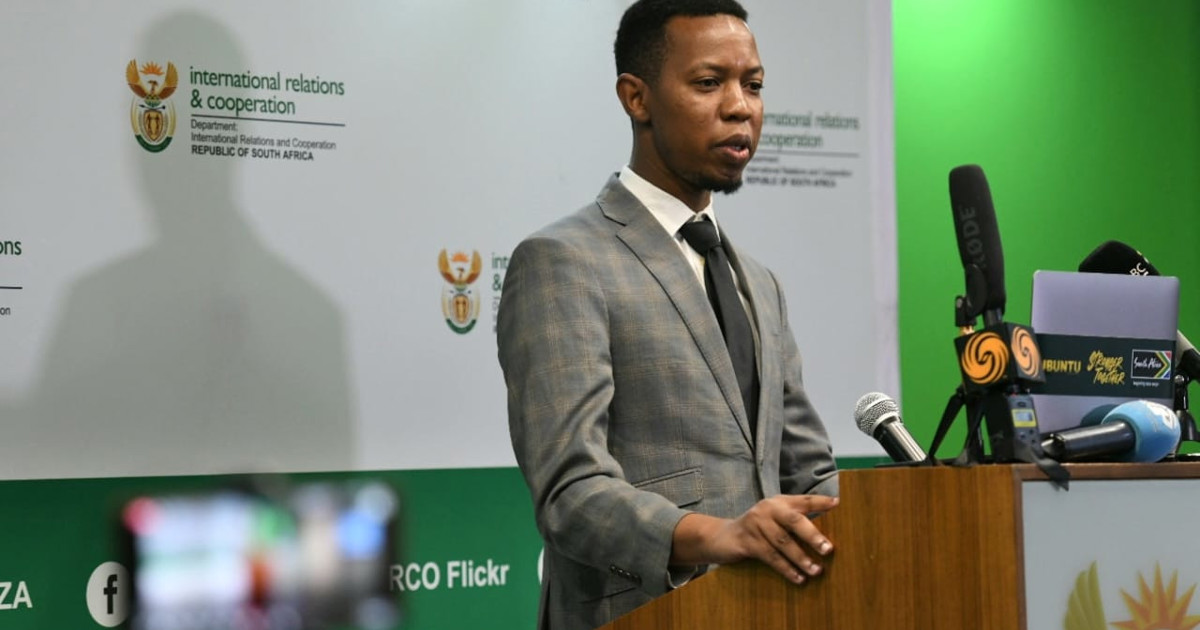
The diplomatic engagements follow localized tensions that prompted Ghana to postpone a planned visit by President Ramaphosa to Accra. The postponement came after the death of a Ghanaian national named Bashiru Isak in Cape Town. According to Business Day, Lamola briefed Mahama on the ongoing police investigation into the killing, which included a R50,000 reward for information leading to an arrest and conviction, while maintaining that the incident was unrelated to xenophobia. South African companies maintain a substantial economic footprint in Ghana, with more than 100 businesses operating in sectors such as banking, mining, telecommunications, and retail, including entities like MTN, Gold Fields, and AngloGold Ashanti.
International Legal Challenges and Regional Fallout
Legal challenges have also emerged regarding the unrest. Two Ghanaian nationals—former government spokesperson Palgrave Boakye-Danquah and counterterrorism analyst Emmanuel Kotin—submitted a petition to the International Criminal Court on July 15. As detailed by France24, the petition alleged that South African authorities failed to protect foreign nationals from unlawful killings and hate speech, amounting to potential state responsibility. South Africa formally dismissed the ICC filing. Department of International Relations and Cooperation spokesperson Chrispin Phiri characterized the application as opportunistic, stating that it failed to satisfy statutory legal triggers and jurisdictional requirements while affirming confidence in domestic laws punishing hate crimes and speech, according to EWN.
/file/attachments/2995/KGMokgadiventuresouttoaMarchandMarchprotest_629141.png "Photo: Daily Maverick")
Meanwhile, online influence and manufactured narratives have fueled public hostility. Data scientist Kyle Findlay of Murmur Intelligence analyzed close to four million posts on X and found indicators of a paid influence campaign operating behind the scenes, suggesting that xenophobia has been commercially and politically weaponized, as reported by Daily Maverick. Amid ongoing municipal elections preparations and political posturing on immigration, regional bodies and legislative houses across Africa continue to monitor the humanitarian and economic fallout from the unrest.
Related reading