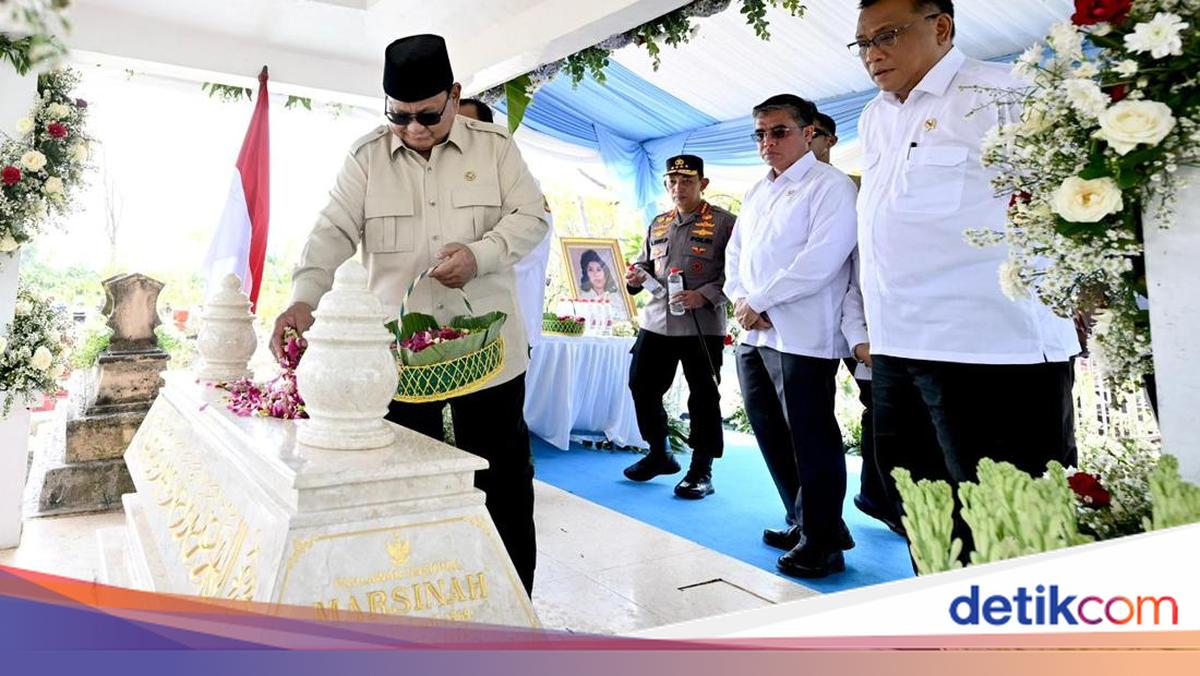
President Prabowo Subianto Inaugurates Marsinah Museum in East Java, Honoring Labor Icon
Nganjuk, East Java — In a significant move to honor the history of Indonesia’s labor movement, President Prabowo Subianto officially inaugurated the Marsinah Museum and Shelter Home in the Nganjuk District of East Java on Saturday, May 16, 2026. The ceremony marks a major milestone in the formal recognition of Marsinah, a prominent labor activist who has become a symbol of workers’ rights and social justice in Indonesia.
The new facility, established at the childhood home of the late activist, is designed to serve a dual purpose: acting as a historical museum to preserve the legacy of the Indonesian workers’ movement and providing a dedicated shelter home for workers. During the inauguration, President Subianto emphasized the importance of memorializing the struggles faced by laborers throughout the nation’s history.
A Dual-Purpose Memorial: Museum and Shelter Home
The Marsinah Museum and Shelter Home is more than a traditional repository of historical artifacts; it is intended to be a living institution. By integrating a shelter home into the museum complex, the facility aims to provide practical support to the contemporary workforce while educating the public on the historical foundations of labor advocacy.
During the official ceremony, President Subianto performed the formal inauguration by signing the museum’s commemorative plaque. The event was broadcast via the Presidential Secretariat’s YouTube channel, allowing a national audience to witness the commemoration of a figure who has long been central to the discourse on Indonesian social justice.
“This morning, Saturday, May 16, 2026, I, Prabowo Subianto, President of the Republic of Indonesia, hereby inaugurate the Marsinah Museum and Shelter Home in Nganjuk District, East Java,”
the President stated during the ceremony.
Prior to the official signing, the President conducted a tour of the exhibition areas. The museum features a curated collection of historical objects related to the Indonesian labor movement and the personal life of Marsinah. Notably, the facility has preserved Marsinah’s original bedroom and several personal artifacts, maintaining them in their original condition to provide visitors with an intimate connection to her life and struggle.
Honoring a National Hero
The establishment of the museum follows the President’s decision to designate Marsinah as a national hero last year. This designation was made in response to formal proposals from various labor unions, reflecting a growing institutional recognition of her impact on the nation.
President Subianto noted that the decision to establish the museum in Nganjuk was a direct response to the advocacy of labor leaders. “I was honored to designate her a national hero, and later [labor leaders] suggested that I inaugurate the Marsinah Museum in Nganjuk, which I gladly accepted,” the President remarked during his address.
The museum serves as a permanent tribute to an individual whose life and death have become inextricably linked to the pursuit of equitable treatment for workers in Indonesia. By preserving her personal belongings and the site of her upbringing, the government aims to ensure that the lessons of her activism are passed down to future generations of the Indonesian workforce.
Historical Significance: The New Order and the Workers’ Struggle
To understand the weight of this inauguration, one must look back at the era in which Marsinah was active. Born in 1969, Marsinah rose to prominence as a labor activist during the New Order era, a period of Indonesian history under the presidency of Suharto.
Her advocacy for workers’ rights at a factory in East Java became a flashpoint for the broader tensions between industrial growth and labor protections during that period. The preservation of her history through this museum provides a venue for studying the evolution of labor laws and the socio-political landscape of the New Order era.
The Marsinah Museum is expected to become a key site for historical research and educational tours, focusing on the following themes:
- The evolution of the Indonesian labor movement: Documenting the shift from early activism to modern labor organizations.
- Social justice and workers’ rights: Examining the legal and social frameworks that protect employees.
- Historical preservation: Using personal artifacts to humanize the political struggles of the late 20th century.
Marsinah: A Legacy Overview
| Category | Details |
|---|---|
| Subject | Marsinah, Labor Activist |
| Year of Birth | 1969 |
| Era of Activism | New Order (under President Suharto) |
| Official Status | National Hero (Designated 2025) |
| Facility Location | Nganjuk District, East Java |
| Facility Type | Museum and Shelter Home |
As Indonesia continues to navigate the complexities of globalized labor markets and industrial development, the Marsinah Museum stands as a reminder of the human element within economic progress. The facility ensures that the voice of the worker remains a permanent part of the national narrative.
For further updates on Indonesian national heritage projects and government inaugurations, please monitor official announcements from the Presidential Secretariat.
What are your thoughts on the preservation of labor history through national museums? Let us know in the comments below and share this story with your network.