
Trump Voters Express Growing Economic Concerns Amid Rising Costs
President Donald Trump’s approval rating on his handling of the economy is declining, according to a recent poll from The New York Times. The drop comes as inflation and higher interest rates continue to strain household budgets across the United States, prompting some of his core supporters to reassess their financial situations. Economic anxiety has become a defining issue in the 2026 midterm election cycle, with voters citing rising costs for essentials like groceries, housing, and transportation as key factors in their shifting perspectives.

On-the-ground reporting from Arizona reveals that even loyal Trump voters are making difficult choices to cope with inflationary pressures. Yvonne Wingett Sanchez, a staff writer at The Atlantic, shared insights from her conversations with voters in the state, noting that many are cutting back on discretionary spending and delaying major purchases. “It is the sacrifices that they are having to craft within their homes and within their own households to be able to afford this environment,” Sanchez said. She added that these voters describe feeling psychologically strained, saying they “feel like they are in a really bad spot.”
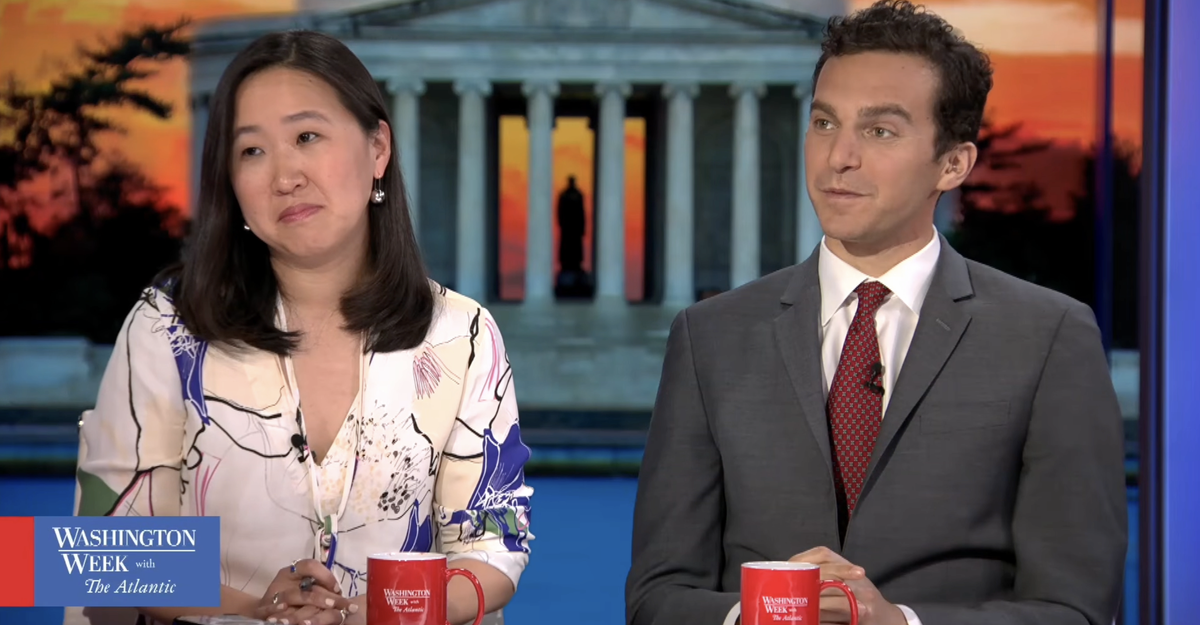
These observations were discussed during a recent episode of Washington Week with The Atlantic, where Sanchez joined a panel of journalists to analyze voter sentiment. The panel included Jeffrey Goldberg, editor in chief of The Atlantic; Annie Linskey, White House reporter for The Wall Street Journal; Seung Min Kim, White House reporter for the Associated Press; and Tyler Pager, White House correspondent for The New York Times. Together, they examined how economic dissatisfaction could influence Republican turnout and down-ballot races in November.
The conversation highlighted a growing disconnect between Trump’s campaign rhetoric on economic strength and the lived experiences of voters facing persistent price increases. While the administration has pointed to low unemployment and stock market gains as signs of economic health, many Americans say those metrics do not reflect their daily financial realities. Wage growth has failed to keep pace with inflation in several sectors, leaving households with less purchasing power despite being employed.
Polling data cited in the discussion indicates that Trump’s approval on economic management has slipped below 50% among likely voters, a notable decline from earlier in his term. The New York Times poll, which surveyed registered voters nationwide, found that concerns about inflation and the cost of living now rank higher than immigration or foreign policy as top issues for swing voters. Analysts warn that if these trends continue, Republicans could face challenges in retaining key suburban and rural districts where economic frustration is mounting.
Economists note that the current economic environment is shaped by a combination of factors, including supply chain disruptions, elevated energy prices, and monetary policy tightening by the Federal Reserve. Although inflation has cooled from its peak in 2023, prices remain significantly higher than pre-pandemic levels for many goods and services. Housing costs, in particular, have continued to rise in markets across the Sun Belt and Mountain West, placing additional strain on family budgets.
For Trump supporters, the economic downturn presents a psychological and political dilemma. Many voted for the president based on promises of economic revitalization, tax cuts, and deregulation. Now, as they grapple with higher bills and reduced savings, some are questioning whether those promises have been fulfilled. Sanchez’s reporting suggests that while partisan loyalty remains strong for many, there is a growing undercurrent of disappointment and fatigue among voters who feel overlooked in national economic narratives.
The Washington Week with The Atlantic panel emphasized that voter behavior is often shaped more by personal financial experience than by national statistics. When people feel unable to afford basics or save for emergencies, their trust in leadership can erode quickly — regardless of party affiliation. This sentiment was echoed in focus groups conducted in Arizona, where voters expressed frustration over what they described as a lack of tangible relief from rising costs.
Looking ahead, economic performance will likely remain a central theme in political messaging through the 2026 elections. Both parties are expected to intensify their focus on inflation, wages, and household affordability in campaign speeches and policy proposals. For Republicans, the challenge lies in maintaining voter confidence amid economic headwinds; for Democrats, it involves offering credible alternatives that address cost-of-living concerns without triggering broader inflationary risks.
As the nation approaches the midterm elections, the ability of political leaders to connect with voters on economic anxiety may prove decisive. Voters are increasingly looking for leaders who not only acknowledge their struggles but offer practical pathways to financial stability. Whether Trump can regain trust on economic issues will depend in part on how his administration responds to these growing concerns in the months ahead.
For ongoing coverage of economic trends and voter sentiment, audiences can watch full episodes of Washington Week with The Atlantic on PBS or access the weekly podcast through the show’s official website. The program continues to provide in-depth analysis of the intersection between politics, policy, and everyday American life.