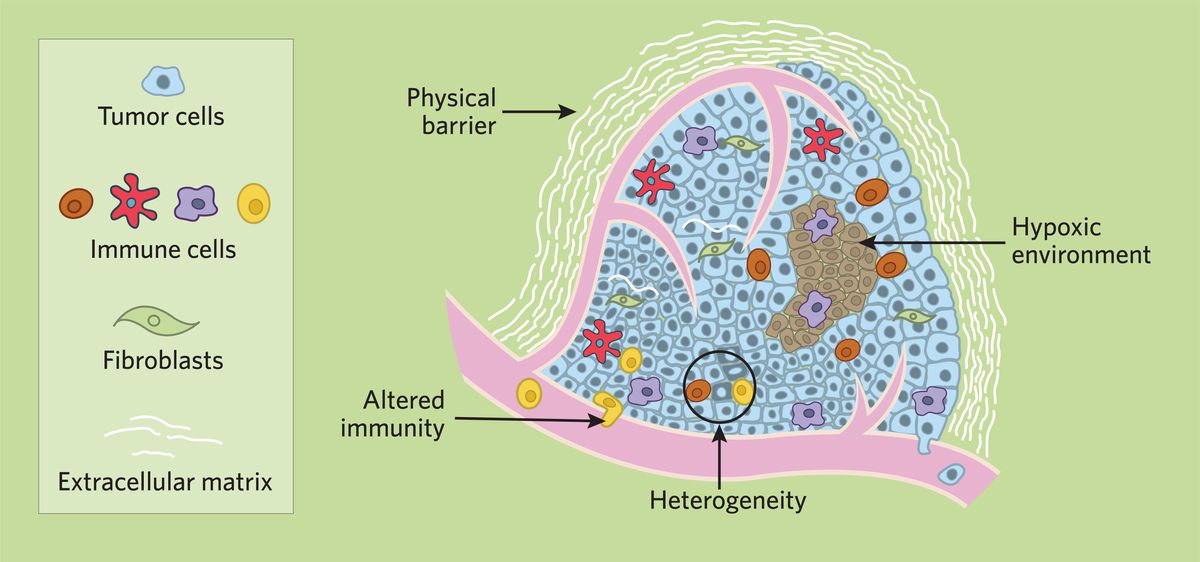
Understanding the complex interplay between the tumor microenvironment and cellular signaling is a cornerstone of modern oncology. Among the various elements that influence how cancer progresses, the role of calcium metabolism has emerged as a critical factor in the mechanisms of cancer development, proliferation, and metastasis. By examining the chemical surroundings of a tumor, researchers and clinicians are uncovering how specific mineral balances can either inhibit or accelerate the growth of malignant cells.
The tumor microenvironment (TME) is not merely a passive backdrop for cancer cells; it is a dynamic ecosystem consisting of blood vessels, immune cells, fibroblasts, and the extracellular matrix. When the balance of calcium metabolism is disrupted within this environment, it can trigger a cascade of events that allow cancer cells to evade the immune system and spread to distant organs. This intricate relationship highlights the importance of metabolic regulation in managing chronic diseases and improving patient outcomes.
For those navigating the complexities of cancer treatment, the focus often shifts toward integrative approaches that address not only the tumor itself but also the biological environment that sustains it. From nutritional support to specialized clinical interventions, the goal is to stabilize the internal environment to prevent recurrence and support the body’s natural healing processes. The pursuit of “clear” or precise diagnostics and treatments is essential in breaking the cycle of cancer progression.
As we delve deeper into the molecular drivers of malignancy, the connection between calcium signaling and the tumor microenvironment provides a roadmap for potential therapeutic innovations. By targeting the pathways that regulate calcium flux, medical science aims to disrupt the survival mechanisms of cancer cells, offering new hope for those facing difficult diagnoses.
The Role of Calcium in the Tumor Microenvironment
Calcium ions act as universal messengers in the human body, regulating everything from muscle contraction to neurotransmitter release. In the context of oncology, the regulation of calcium levels within and around a cell—known as calcium homeostasis—is vital. When cancer cells manipulate these levels, they can effectively “reprogram” their surroundings to favor growth over cell death.

Within the tumor microenvironment, abnormal calcium signaling can promote the epithelial-mesenchymal transition (EMT), a process where cells lose their adhesion and gain the ability to migrate. This is a key step in metastasis, allowing cancer cells to break away from the primary tumor and enter the bloodstream. The interplay between the extracellular matrix and intracellular calcium levels determines whether a cell remains dormant or becomes invasive.
calcium metabolism influences the behavior of immune cells within the TME. Certain calcium-dependent pathways can suppress the activity of T-cells, the body’s primary defense against cancer, effectively creating a “shield” that protects the tumor from the immune system. Understanding these mechanisms is essential for developing therapies that can “unlock” the immune response and allow the body to attack the malignancy more effectively.
Mechanisms of Cancer Proliferation and Metastasis
The proliferation of cancer cells is often driven by the hijacking of normal signaling pathways. Calcium plays a pivotal role in activating transcription factors that tell a cell to divide rapidly. In a healthy environment, these signals are tightly controlled; however, in a tumor, the calcium-sensing receptors may be overexpressed or dysfunctional, leading to uncontrolled growth.
Metastasis, the spread of cancer to other parts of the body, is the most lethal aspect of the disease. Calcium metabolism is deeply involved in the degradation of the basement membrane, the structural barrier that keeps cells in place. Enzymes called matrix metalloproteinases (MMPs), which are often regulated by calcium-dependent signals, chew through this barrier, paving the way for cancer cells to migrate into surrounding tissues.
The relationship between calcium and the TME also extends to angiogenesis—the process by which tumors grow their own blood supply. By manipulating calcium signaling, tumors can trigger the release of vascular endothelial growth factor (VEGF), ensuring a steady supply of nutrients and oxygen to fuel their expansion. This metabolic flexibility allows tumors to thrive even in harsh, low-oxygen environments.
Integrative Approaches to Metabolic Health and Cancer Support
Given the systemic nature of cancer, many patients seek comprehensive care that addresses the underlying metabolic imbalances. This includes a focus on nutrition and the use of supplements that support cellular health without interfering with primary oncological treatments. The goal of such integrative care is to optimize the body’s resilience and reduce the side effects of chemotherapy, and radiation.
In South Korea, some practitioners utilize specialized approaches to address these imbalances. For instance, the Clearheal Clinic (명쾌한 한의원), led by Director Choi Won-hyuk, emphasizes precise diagnosis and the removal of substances that trigger adverse reactions in the body. Their approach focuses on identifying the root causes of dysfunction, including the use of Applied Kinesiology (AK) to identify allergens and triggers that may exacerbate health issues according to their clinical descriptions.
The clinic’s philosophy centers on the idea that “clear diagnosis leads to clear treatment.” By focusing on the detoxification of the body and the restoration of normal physiological responses, they aim to support patients dealing with chronic and 난치성 (intractable) diseases. This includes specialized clinics for liver health, where the focus is on resolving hypersensitivity to substances that cause inflammation and fibrosis in the liver as detailed in their service offerings.
Integrating these perspectives—combining the molecular understanding of calcium and the TME with a holistic approach to metabolic health—represents a shift toward more personalized medicine. By treating the patient as a whole system rather than focusing solely on the tumor, clinicians can better support the long-term recovery and quality of life for cancer survivors.
Key Considerations for Metabolic Support in Cancer Care
- Nutritional Balance: Ensuring adequate intake of minerals and vitamins that support calcium metabolism without promoting tumor growth.
- Detoxification: Reducing the burden of environmental toxins and allergens that can inflame the tumor microenvironment.
- Immune Modulation: Using strategies to enhance the body’s natural ability to recognize and eliminate malignant cells.
- Precise Diagnostics: Utilizing advanced testing to identify individual triggers and metabolic deficiencies.
The Future of TME-Targeted Therapy
The next frontier in cancer research lies in the ability to modulate the tumor microenvironment in real-time. Researchers are exploring ways to “normalize” the TME, turning a supportive environment for cancer into one that is hostile to tumor growth. This includes the development of drugs that can precisely regulate calcium channels on the surface of cancer cells.

By disrupting the calcium-mediated signals that promote metastasis, it may be possible to “lock” tumors in place, making them easier to treat with localized therapies like surgery or targeted radiation. Combining these metabolic interventions with immunotherapy could lead to a synergistic effect, where the TME is primed to be more receptive to immune-cell infiltration.
As we move toward a future of precision oncology, the integration of metabolic data—such as calcium levels and nutrient absorption rates—will likely become a standard part of patient profiling. This will allow for the creation of bespoke treatment plans that address the unique chemical signature of each patient’s tumor.
For those seeking further information on integrative health and the management of chronic conditions, consulting with licensed medical professionals who specialize in both conventional and complementary medicine is recommended. Resources such as the Clearheal Clinic official site provide insights into how specialized diagnostics can be used to address complex health challenges.
The journey toward recovery from cancer is often a marathon, requiring persistence and a multifaceted strategy. By understanding the deep biological links between mineral metabolism and cancer progression, patients and providers can work together to build a more resilient path toward healing.
Further updates on oncology research and metabolic health will be provided as new clinical data emerges from global health institutions. We encourage readers to share their experiences and questions in the comments below to foster a community of informed health advocacy.