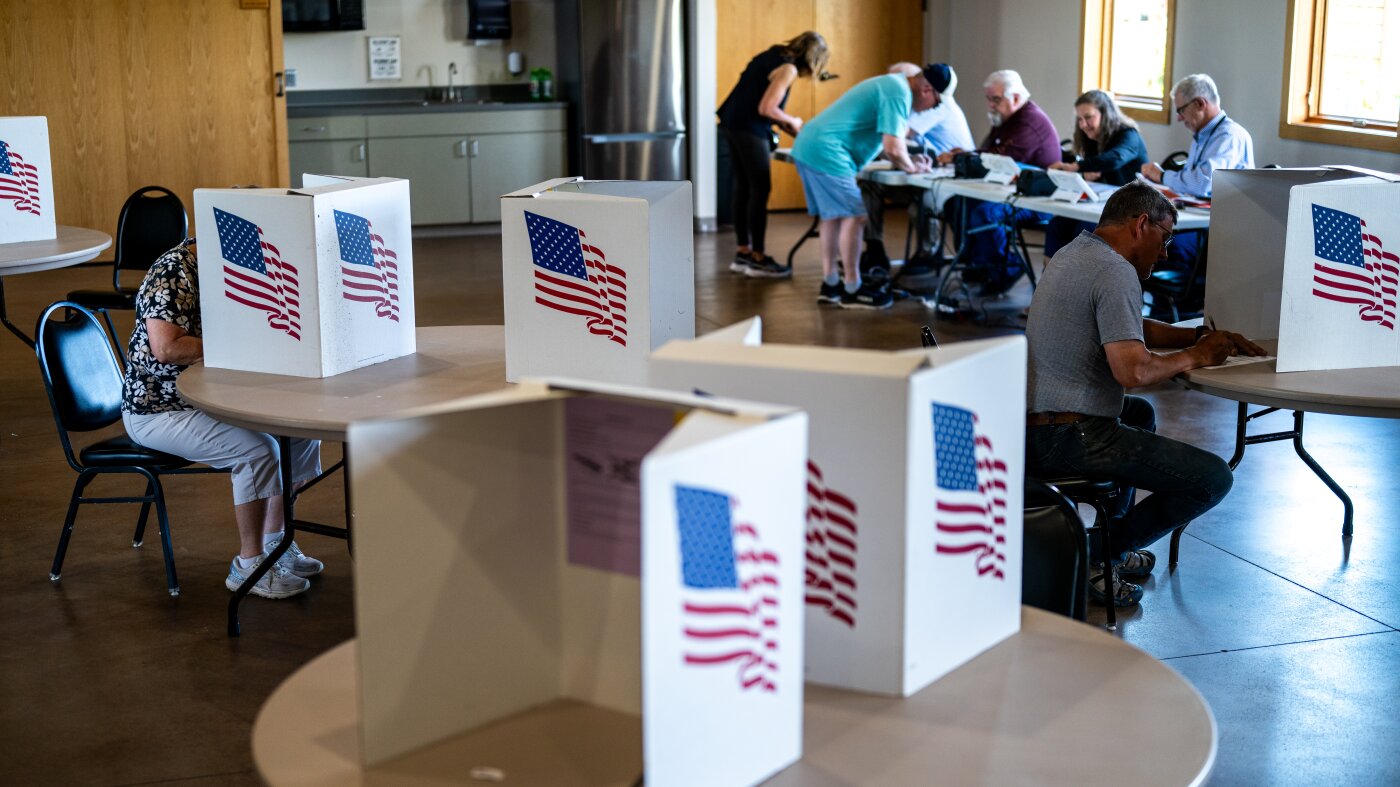
As the sun sets over the Pacific and the final ballots are processed across the United States, the political landscape for the upcoming election cycle has begun to crystallize. Voters in six states—including California, Iowa, and New Jersey—have concluded their primary elections, marking a critical milestone in the selection of candidates for the November midterms. These contests serve as a litmus test for party platforms, voter enthusiasm, and the efficacy of campaign messaging in an increasingly polarized climate.
The results of these primary elections provide the clearest indication yet of which candidates will advance to the general election. While some races have seen clear frontrunners emerge, others remain subject to the granular counting of mail-in and provisional ballots, a process that can stretch for days in states with expansive electoral protocols. For observers of American democracy, these results are not merely about individual victories; they represent the shifting priorities of the electorate and the strategic maneuvers of both major political parties as they prepare for a broader national contest.
In California, the “top-two” primary system continues to dictate the flow of the general election, ensuring that the two candidates with the most votes—regardless of party affiliation—advance to the November ballot. This unique structure often leads to intra-party competition that can be as fierce as the traditional general election, forcing incumbents to defend their records against challengers from within their own ranks. According to the California Secretary of State’s office, the certification of these results is a multi-step process, with final canvassing expected to be completed in the weeks following the election date.
Understanding the Stakes in Key Primary States
The primary elections held across these six states carry significant implications for the balance of power in Washington and state capitals. In Iowa, for example, the focus has been on how Democrats can regain ground in a state that has trended Republican over the past decade. The results from Tuesday’s voting cycle offer a roadmap for party organizers seeking to identify viable candidates who can appeal to both suburban moderates and rural voters. As noted by the Iowa Secretary of State, the turnout numbers are being closely monitored by political analysts to gauge the intensity of voter mobilization efforts.
New Jersey’s primaries, meanwhile, have highlighted the influence of party infrastructure and the role of “county lines”—a unique ballot design feature that has been the subject of significant legal scrutiny. A federal court ruling earlier this year fundamentally altered how ballots were structured in the state, potentially leveling the playing field for insurgent candidates. These structural changes are not merely administrative; they change the incentive structures for candidates, often favoring those who can build grassroots support independently of traditional party machines.
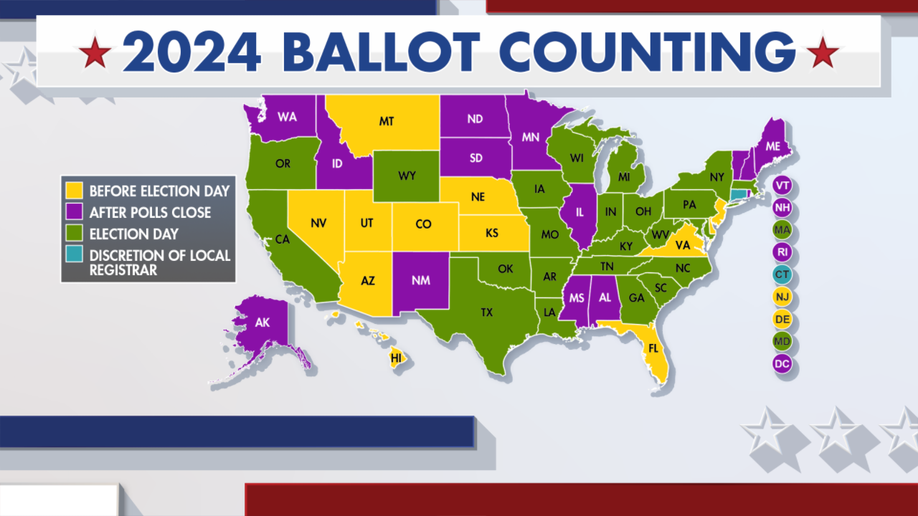
For voters and political observers, the following points summarize the current state of affairs following the close of polls:
- Ballot Counting: In states like California, the large volume of mail-in ballots means that final outcomes may remain fluid for several days, adhering to state-specific statutory deadlines for receipt and verification.
- Candidate Advancement: The transition from primary to general election creates a “reset” moment where candidates must broaden their appeal beyond the dedicated base of partisan primary voters.
- Strategic Shifts: Data collected from these primaries will be used by national committees to allocate resources, effectively deciding which congressional districts will receive the bulk of campaign funding in the lead-up to November.
The Path to November: What Happens Next
With the primary phase now largely behind us in these jurisdictions, the focus shifts to the general election campaign. Candidates who emerged victorious are currently pivoting their messaging, moving away from the ideological purity tests of the primary toward the more pragmatic, broad-based appeals required to win in the general election. This transition is rarely seamless, as candidates must balance their primary promises with the need to capture the political center.
The next major checkpoint in this electoral timeline is the formal certification of results by state election boards. In accordance with state law, election officials must conduct rigorous post-election audits to verify the integrity of the vote tallies. The U.S. Election Assistance Commission provides comprehensive resources for tracking these official certifications, which serve as the final confirmation of the candidates who will appear on the ballot in November. These audits are a cornerstone of the electoral process, ensuring that the results reflect the will of the voters with high levels of transparency and accuracy.
As we move forward, the focus will remain on the specific policy debates that will define the general election, including the economy, healthcare, and national security. The primaries have provided the participants, but the real contest for the direction of the country is only just beginning. We encourage our readers to remain engaged, check their local election board websites for the most recent updates, and participate in the democratic process as the cycle advances toward the final vote.
What are your thoughts on the primary outcomes? Are you following a specific race in your district? Join the conversation in the comments section below and share this report with your network to keep the discussion informed and fact-based.
Keep reading