
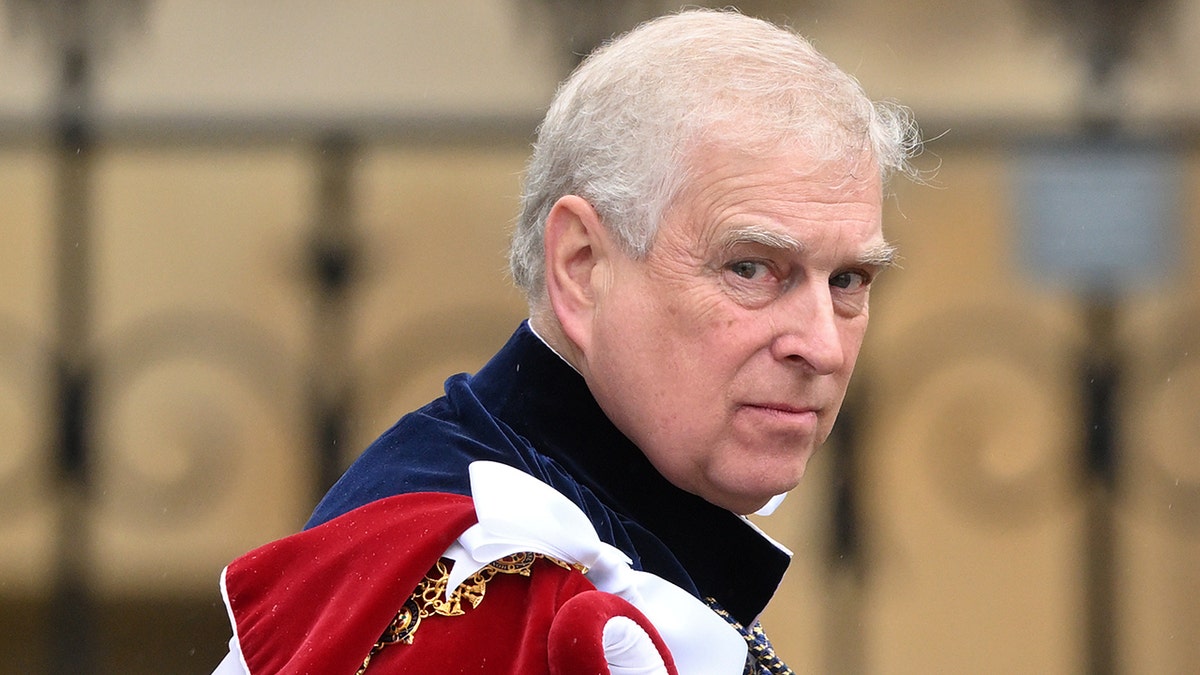
The trajectory of Andrew Mountbatten-Windsor, formerly known as Prince Andrew, Duke of York, continues to be marked by institutional distancing and legal scrutiny. While the former royal has long been isolated from official duties, recent reports suggest a continued pattern of sanctions that may extend even beyond his lifetime, specifically regarding the nature of his eventual burial and funeral arrangements.
The discourse surrounding the former prince has intensified following his recent legal troubles. On February 19, 2026, Andrew Mountbatten-Windsor was detained by the Thames Valley Police at Wood Farm, his residence on the Sandringham royal estate, on suspicions of misconduct in public office according to reports from the New York Times. Although he was released the same evening, he remains under investigation.
This arrest coincided with his 66th birthday and follows the publication of millions of documents in the United States related to the sex trafficking investigation of Jeffrey Epstein. The fallout from these associations has not only stripped the former prince of his military titles and royal patronages but has created a lasting rift within the House of Windsor.
The Legal Shadow: Arrest and Misconduct Allegations
The recent police action at Sandringham underscores the severity of the ongoing investigations into Andrew Mountbatten-Windsor. The arrest on February 19, 2026, was carried out by the Thames Valley Police, who conducted searches in both Norfolk and Berkshire as reported by VRT NWS. The specific charge—misconduct in public office—reflects the legal scrutiny regarding his former roles as a representative of the Crown.

The political response was swift. British Prime Minister Keir Starmer emphasized the principle of legal equality, stating that “no one is above the law” in response to the allegations. King Charles III too addressed the matter via a press statement, noting that the judiciary must perform its function and pledging “full and sincere support and cooperation” to the investigation via VRT NWS.
These events are the latest chapter in a long history of controversy. Andrew had a well-documented association with Jeffrey Epstein, a child sex offender. In 2014, Virginia Giuffre alleged that she had been sex trafficked to Andrew by Epstein and Ghislaine Maxwell according to Wikipedia. While Andrew has consistently denied any wrongdoing, the cumulative weight of these allegations led to his withdrawal from public life in 2019.
Institutional Isolation and the Question of Burial
The concept of “punishment” for the former prince now extends to the symbolic and ceremonial aspects of his life and death. In the British monarchy, the scale of a funeral and the location of a grave are powerful indicators of a person’s standing within the royal family and the state. The reports suggesting that Andrew will not be granted a royal funeral, and may instead be buried alongside a “forgotten” royal, signal a definitive break from the honors typically afforded to the children of a sovereign.
For context, Andrew was born in 1960 as the third child and second son of Queen Elizabeth II and Prince Philip per Wikipedia records. He served in the Royal Navy from 1979 to 2001, including active duty as a helicopter pilot during the Falklands War. Despite these early contributions, his tenure as the UK’s Special Representative for International Trade and Investment (2001–2011) ended in resignation following intense scrutiny of his expenses and his associations with controversial figures.
The move to deny a royal funeral would be an unprecedented level of posthumous sanction for a member of the immediate family of the late Queen. It reflects the monarchy’s attempt to protect its image and distance itself from the Epstein scandal, ensuring that the honors of the state are not bestowed upon those whose conduct has brought significant disrepute to the institution.
Timeline of Andrew Mountbatten-Windsor’s Decline
| Year/Date | Event | Impact |
|---|---|---|
| 1986 | Created Duke of York upon marriage to Sarah Ferguson | Established royal status and title |
| 2001-2011 | Special Representative for International Trade and Investment | Resigned following expense and association scrutiny |
| 2014 | Virginia Giuffre allegations of sex trafficking | Began public association with Epstein scandal |
| 2019 | Withdrawal from official duties | End of active representation of Queen Elizabeth II |
| Feb 19, 2026 | Arrested for misconduct in public office | Legal detention at Wood Farm, Sandringham |
The Impact on the House of Windsor
The ongoing saga of Andrew Mountbatten-Windsor is not merely a personal legal battle but a strategic challenge for King Charles III. The King’s public statement regarding his brother’s arrest—emphasizing that the law must take its course—demonstrates a require to maintain the integrity of the monarchy in the eyes of a global audience. As of 2026, Andrew is eighth in the line of succession to the British throne according to Wikipedia, though his practical influence is non-existent.
The decision regarding his burial site and the nature of his funeral serves as a final, permanent statement on his legacy. By potentially placing him next to a “forgotten” royal rather than in the more prominent areas of the royal burial grounds, the monarchy effectively erases his status as a core member of the royal circle, relegating him to the periphery of history.
This institutional distancing is a response to the immense pressure placed on the monarchy by the disclosure of documents related to Jeffrey Epstein’s human trafficking network. The public’s demand for accountability has forced the royal family to adopt a policy of strict separation, ensuring that the actions of one individual do not continue to tarnish the collective reputation of the Crown.
The current situation remains fluid as the Thames Valley Police continue their investigation. The next confirmed checkpoint will be the outcome of the ongoing investigation into the suspicions of misconduct in public office, which will determine whether further charges are brought against Andrew Mountbatten-Windsor.
We invite our readers to share their thoughts on the intersection of royal privilege and legal accountability in the comments below.