
For many living with Type 1 diabetes, the condition is not merely a medical diagnosis but a relentless, full-time occupation. For Liesanne Ploeg, a 38-year-old professional living in Amsterdam, this reality began at the age of eight. For decades, her life was defined by the rigid discipline of insulin injections and the constant anxiety of blood sugar fluctuations. However, a life-altering double kidney and pancreas transplant has fundamentally rewritten her medical history, removing the burden of diabetes and restoring her renal function.
Liesanne’s journey is a testament to medical innovation and personal resilience. After battling severe complications, including multiple diabetic comas and subsequent kidney failure, she underwent a simultaneous transplantation procedure in her mid-twenties. Today, she leads a full life—working as a head of a data department at ABN Amro, traveling, and maintaining an active lifestyle—while reflecting on the complex emotional landscape of receiving life-saving organs from a deceased donor.
The transition from a life of constant monitoring to one of relative stability has been profound. “Life [is] so much easier,” she notes, though the path to this stability was marked by years of hospitalizations and significant physical tolls. Her story highlights not only the efficacy of double transplantation for select patients but also the grueling nature of chronic autoimmune disease management.
The Early Burden of Type 1 Diabetes
Liesanne was diagnosed with Type 1 diabetes at eight years old, a moment she recalls as being “super sad.” The diagnosis was not a surprise to the family; her brother had been living with the condition since the age of four. Because of this family history, her mother recognized the warning signs—fatigue and weight loss—immediately according to reports on her medical history.
Type 1 diabetes is an autoimmune disease in which the body’s immune system attacks and destroys the insulin-producing cells in the pancreas. Without insulin, the body cannot regulate glucose levels in the blood, leading to a dangerous buildup of sugar. For Liesanne, this meant a childhood dominated by medical necessity: injecting insulin four times a day and frequently pricking her fingers to monitor her blood sugar. She describes the experience as something that “takes over your whole life.”
While she initially managed the condition, the onset of puberty proved to be a critical turning point. The hormonal shifts associated with adolescence, combined with the stresses of middle school, destabilized her blood sugar regulation. This instability led to her first diabetic coma, a life-threatening emergency that signaled the beginning of more severe systemic complications.
Neuropathy and the Path to Kidney Failure
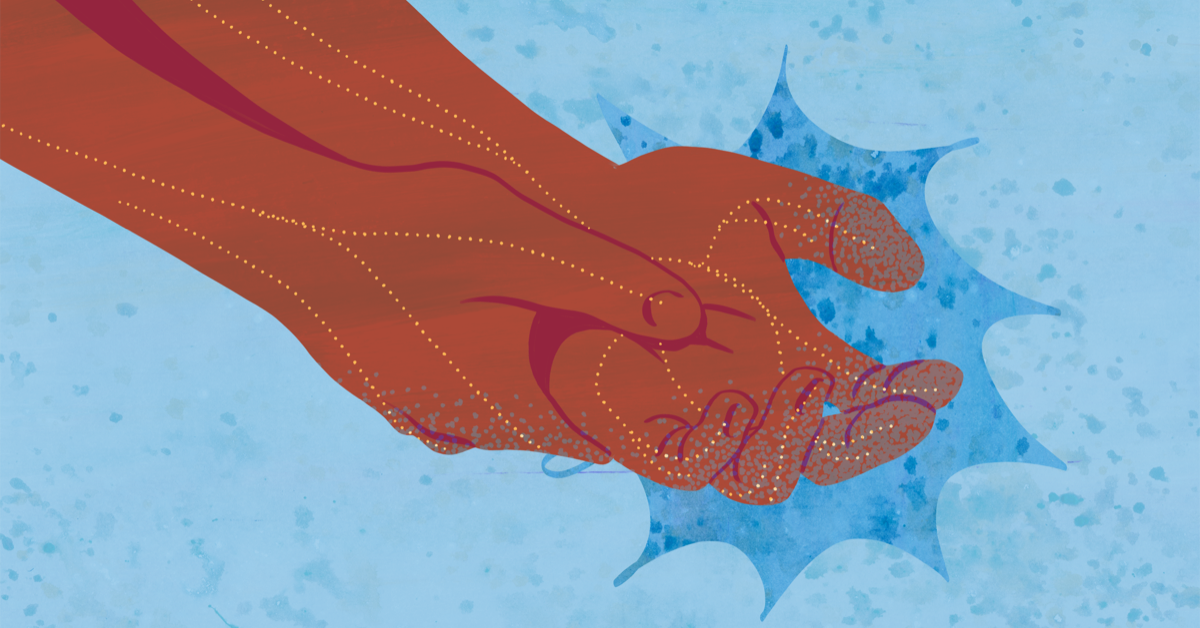
The aftermath of her first coma left Liesanne with permanent damage. She developed neuropathy, characterized by chronic nerve pain and a loss of sensation, which served as a constant reminder of the disease’s impact on her nervous system as detailed in her patient history.
The instability continued into her early twenties, culminating in a second diabetic coma. This second episode was particularly devastating, as it caused severe damage to her kidneys. When the kidneys can no longer effectively filter toxins from the blood, patients experience systemic illness; Liesanne recalls a period of constant nausea and vomiting because her kidneys were failing to clear waste from her system.
Faced with the prospect of lifelong dialysis or the continued decline of her health, her medical team proposed a comprehensive solution: a double transplant. By replacing both the failing kidney and the non-functioning pancreas, doctors aimed to solve two problems simultaneously—restoring the body’s filtration system and eliminating the need for external insulin.
The Double Kidney and Pancreas Transplant
In her mid-twenties, Liesanne underwent the double transplant at the LUMC (Leiden University Medical Center). This complex surgical procedure involves the implantation of a donor kidney to handle waste filtration and a donor pancreas to regulate blood glucose levels.
The results were nearly instantaneous. The new pancreas began producing insulin, which normalized her blood sugar levels almost immediately, effectively ending her diabetes. The new kidney restored her ability to filter toxins, eliminating the nausea and systemic illness associated with renal failure as documented in her recovery account.
Despite the clinical success, the procedure introduced a new set of challenges. To prevent the body from rejecting the foreign organs, Liesanne had to begin a lifelong regimen of intensive immunosuppressive medication. This medication suppresses the immune system, making the patient significantly more vulnerable to infections.
Post-Transplant Recovery and Restrictions
The period following the surgery required extreme vigilance. Liesanne’s recovery was characterized by a strict lifestyle shift to protect her new organs and manage her compromised immunity:
- Dietary Constraints: She followed a rigorous diet that prohibited raw foods to avoid foodborne illnesses that could be fatal to an immunosuppressed patient.
- Physical Limitations: There were strict limits on physical exertion during the initial healing phase.
- Health Monitoring: Intensive medication schedules were mandatory to prevent organ rejection.
- Pregnancy Considerations: The transplant and the accompanying medications imposed specific limitations and risks regarding pregnancy.
The Emotional Complexity of Organ Donation
While the medical outcome was a triumph, the emotional impact of the transplant was “double-edged.” Liesanne has spoken openly about the psychological weight of knowing her survival depended on the death of another person. She describes the feeling as “very double,” acknowledging that while she was saved, someone else had to pass away for those organs to become available.
Despite this emotional burden, Liesanne maintains a perspective of gratitude and resilience. She is careful to emphasize that while her journey involved numerous hospitalizations and significant trauma, she does not view her story as a tragedy. She currently lives in a ground-floor apartment with a garden in Amsterdam with her partner and her cat, viewing her current health as a precious gift.
Redefining Life After Chronic Illness
Today, at 38, Liesanne’s life bears little resemblance to the restrictive existence she led as a teenager. She has successfully integrated into a high-pressure professional environment, serving as the leader of a data department at ABN Amro. Her ability to maintain a demanding career while pursuing an active lifestyle—including sports and frequent travel—highlights the transformative power of simultaneous kidney-pancreas transplantation.
Her story serves as a critical case study in the importance of early intervention and the viability of double transplants for patients with “brittle” diabetes and end-stage renal disease. By addressing both the cause (the pancreas) and the complication (the kidney), medical teams can offer a quality of life that was previously unattainable for patients facing the dual burden of these conditions.
Key Takeaways: Double Kidney and Pancreas Transplantation
- Medical Purpose: Used to treat patients with Type 1 diabetes who have also developed kidney failure.
- Immediate Impact: Can result in the immediate normalization of blood glucose levels, effectively eliminating the need for insulin injections.
- Long-term Requirements: Requires lifelong immunosuppressive therapy to prevent organ rejection, necessitating strict hygiene and dietary precautions.
- Complications Addressed: Can resolve systemic issues such as neuropathy and the metabolic instability that leads to diabetic comas.
Liesanne’s journey from a diagnosed child to a recovered professional underscores the intersection of surgical precision and human endurance. While the medical community continues to explore further innovations in diabetes care, the double transplant remains a life-saving option for those whose bodies can no longer sustain the demands of the disease.
As medical science advances, the focus remains on improving the longevity of transplanted organs and reducing the side effects of immunosuppression. For patients like Liesanne, these advancements represent the difference between a life of survival and a life of thriving.
World Today Journal will continue to monitor developments in transplant medicine and autoimmune research. We invite readers to share their thoughts or experiences with chronic illness management in the comments below.
Worth a look