
The Modern Monarchy: Navigating duty, Scandal, and a Changing World
The British monarchy, an institution steeped in centuries of tradition, has faced periods of profound upheaval. From the seismic abdication of Edward VIII to the tragic death of Princess Diana and the recent estrangement of Prince Harry, the royal family has consistently been forced to adapt, redefine its role, and grapple with public perception. this article examines these pivotal moments, analyzing their impact on the monarchy’s evolution and its ongoing struggle to balance tradition with the demands of a modern world.
The Abdication Crisis: Love vs. Duty (1936)
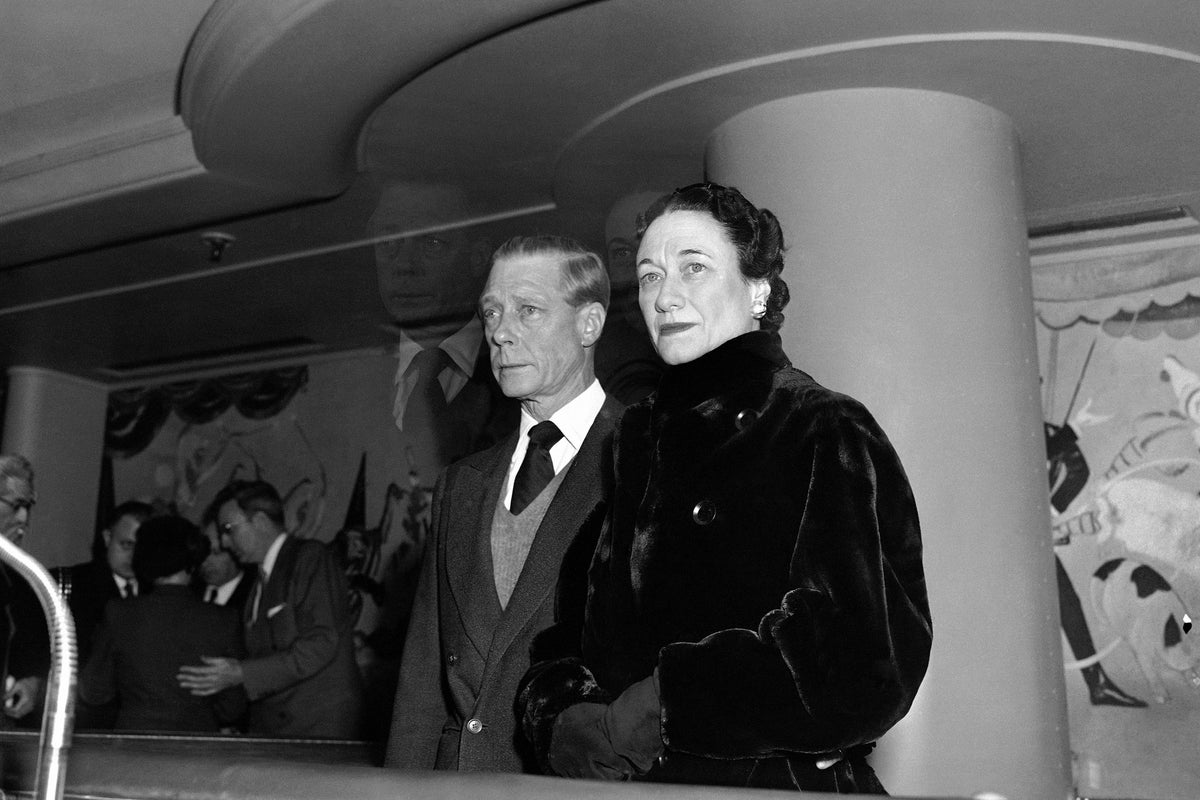
The year 1936 marked a turning point for the House of Windsor.King Edward VIII, having reigned for less than a year, ignited a constitutional crisis by declaring his intention to marry Wallis simpson, an American socialite who was twice divorced. This was a deeply problematic proposition in a time when the church of England, of which the monarch is Supreme Governor, frowned upon divorce.
The British government, led by Prime Minister Stanley Baldwin, vehemently opposed the marriage, recognizing the potential damage to the monarchy’s standing and the Commonwealth. The situation wasn’t simply a matter of personal preference; it threatened the very foundations of the institution. British newspapers, under subtle pressure, largely avoided reporting on the relationship, and American publications had possibly damaging content censored before reaching British shores – a testament to the concerted effort to contain the scandal.
Faced with an impractical choice between his personal desires and his constitutional duties, Edward VIII made the unprecedented decision to abdicate in december 1936. His radio address to the nation, stating he could not fulfill his role “without the help and support of the woman I love,” resonated with a public together captivated by the romance and shocked by the abdication.
The abdication fundamentally altered the monarchy’s trajectory. Edward’s younger brother, Albert, ascended the throne as King george VI, a man known for his quiet dignity and unwavering sense of duty. He, in turn, was succeeded by his daughter, Queen Elizabeth II, whose remarkable 70-year reign further cemented the idea that the monarch’s primary virtue is selfless service. The legacy of Edward VIII became a cautionary tale – a reminder that the crown demanded sacrifice above personal happiness. The Duke and Duchess of windsor spent much of their lives in exile, their reputation further tarnished by suspicions of Nazi sympathies, a shadow that continues to linger in historical accounts.
the “People’s Princess” and the Weight of Grief (1997)
The death of Princess Diana in a Paris car crash in 1997 triggered an outpouring of grief unlike anything Britain had witnessed. Diana,divorced from Prince Charles in 1992,had become a global icon,admired for her compassion,her commitment to humanitarian causes,and her relatable vulnerability. Her death, at the age of 36, left her sons, Princes william and Harry, devastated and the nation in mourning.
The initial response from the royal family, however, was perceived as aloof and out of touch. The Queen, adhering to tradition and maintaining a stoic public face while at Balmoral Castle with her family, delayed issuing a public statement. This perceived lack of empathy fueled public criticism, with newspapers demanding a visible display of grief.
Prime Minister Tony Blair, acutely aware of the national mood, delivered a moving tribute, famously calling Diana “the people’s princess.” This prompted a shift in the royal response. Under immense pressure,the Queen ultimately addressed the nation in a televised broadcast,acknowledging the country’s sorrow and praising Diana’s legacy. This moment was crucial in demonstrating the monarchy’s ability to adapt and respond to public sentiment, even when it clashed with established protocol. The crisis highlighted the evolving relationship between the monarchy and the public,and the need for greater emotional connection.
Recent Turbulence: Harry, Meghan, and the Future of the Monarchy (2020-Present)
More recently, the monarchy has faced a diffrent kind of challenge - internal discord and public airing of grievances.the decision by Prince Harry and his wife, Meghan, Duchess of Sussex, to step down as senior working royals in 2020 and relocate to California sparked a period of intense scrutiny and controversy.
The couple’s subsequent interviews with Oprah Winfrey and their revealing Netflix docuseries exposed deep-seated tensions within the royal family, alleging a lack of support, racial bias, and a stifling institutional culture. Harry’s memoir, “Spare,” further fueled the fire, detailing personal conversations and offering a highly critical perspective on his upbringing and his relationship with his father and brother.
These actions


![Fighting for Girls’ Education: One Woman’s Story of Change in [Village/Region]](https://i0.wp.com/i.guim.co.uk/img/media/fd1257f65f794dea624aac5e7cad1436e637e154/477_0_1454_1164/master/1454.jpg?resize=330%2C220&ssl=1 "Fighting for Girls’ Education: One Woman’s Story of Change in [Village/Region]")


