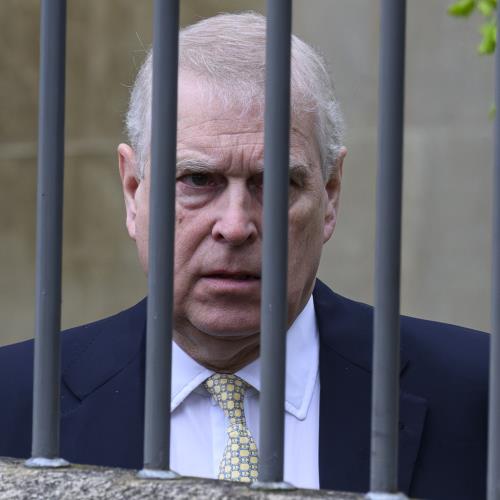
King Charles III’s decision: Prince Andrew‘s Titles, Royal Lodge, and Future – A Comprehensive Analysis
The British monarchy has entered a new phase wiht a decisive move by King Charles III.Prince Andrew, Duke of York, has been stripped of his remaining royal titles and is set to vacate the Royal Lodge, his long-held residence within the grounds of windsor Castle. This decision,announced by Buckingham Palace,marks a significant shift in the royal family’s approach to addressing ongoing controversies and modernizing its image. But what led to this point, and what does the future hold for the Duke of York? This article delves into the details, providing context, analysis, and answering key questions surrounding this evolving situation.
The Formal Stripping of Titles & Residence
Buckingham Palace released a formal statement confirming that Prince Andrew will now be known as Andrew mountbatten-windsor. This effectively removes his “His Royal Highness” designation and the associated privileges. Crucially, the palace emphasized this action was “deemed necessary” despite Andrew’s continued denial of allegations against him.
The most immediate outcome is the relinquishing of the lease on the Royal Lodge, a 30-room mansion where he has resided for nearly two decades. He, along with his former wife Sarah, Duchess of York, will need to find option private accommodation. Reports indicate a potential relocation to the Sandringham Estate, with the King funding the accommodation privately. This represents a substantial change in Andrew’s financial arrangements and lifestyle.
the Epstein Connection & Renewed Public Pressure
The decision isn’t occurring in a vacuum. Recent weeks have seen a resurgence of public scrutiny regarding Prince andrew’s association with the late convicted sex offender, Jeffrey Epstein. These connections, and the resulting allegations, have severely damaged his reputation and placed immense pressure on the monarchy.
While Andrew previously stepped down from royal duties in 2019 and surrendered his honorary military affiliations, the continued occupancy of the Royal Lodge and retention of his title fueled criticism. The public,and increasingly the media,demanded further action. Recent data from YouGov shows a consistently negative public perception of Prince andrew,with approval ratings remaining exceptionally low (YouGov,October 2023). https://yougov.co.uk/topics/politics/articles/prince-andrew-public-opinion
Financial Implications & The Royal Lodge Controversy
The financial aspects of this situation are noteworthy. Reports in The Times suggest Prince Andrew hadn’t paid rent on the Royal Lodge for two decades, despite overseeing £7.5 million ($15 million) worth of renovations upon moving in. This revelation sparked outrage,highlighting a perceived sense of entitlement.
This situation underscores the broader debate surrounding the funding of the royal family and the transparency of their financial arrangements. The Sovereign Grant, the annual funding provided by the government, is already under scrutiny, and instances like this contribute to calls for greater accountability. Understanding royal finances and the cost of the monarchy is increasingly significant for public discourse.
What Does This Mean for the Future of the Monarchy?
King Charles III’s decisive action signals a clear intent to distance the monarchy from scandal and demonstrate a commitment to public accountability. This move aligns with a broader trend towards a more streamlined and modern royal family.
Experts suggest this is part of a larger strategy to solidify the reign of King Charles and ensure the long-term stability of the institution. Removing potentially damaging figures from the public eye is seen as crucial for maintaining public trust and relevance. The concept of royal reputation management is now more critical than ever.
Evergreen Insights: the Evolving Role of the Royal Family
The British monarchy has undergone significant transformations throughout its history. From absolute power to a largely ceremonial role,the institution has consistently adapted to changing societal norms. The current situation with Prince Andrew is simply the latest example of this ongoing evolution.
The key to the monarchy’s survival lies in its ability to remain relevant and responsive to the needs and expectations of the public. This requires a delicate balance between tradition and modernization, and a willingness to address difficult issues with transparency and accountability.The future of the monarchy hinges on its ability to demonstrate value and earn the continued respect of its citizens. Exploring British royal history and constitutional monarchy provides valuable context for understanding these ongoing changes.
Frequently Asked Questions (FAQ)
**
Worth a look