Selecting the right project management methodologies requires balancing organizational culture, team size, and the specific requirements of the product life cycle. Choosing a framework is not merely an operational decision; it dictates how teams communicate, how risks are managed, and how value is delivered to stakeholders. According to the Project Management Institute (PMI), the most effective approach depends on the degree of uncertainty and the complexity of the project goals.
For project managers, the primary objective is to align team capacity with project scope. Whether a team adopts a linear Waterfall approach or an iterative Agile framework, the methodology serves as the connective tissue between planning and execution. Understanding the nuances of these frameworks—and when to apply them—remains a critical skill for technical leadership in software development and beyond.
Understanding the Waterfall Methodology
The Waterfall model is a linear, sequential approach to project management. It requires that each phase of a project—requirements, analysis, design, coding, testing, and operations—be completed before the next begins. This methodology is often associated with the ISO/IEC/IEEE 12207 standard, which provides a framework for software life cycle processes. Because Waterfall emphasizes thorough documentation and clear milestones, it is frequently utilized in industries with high regulatory requirements or fixed budgets where changing requirements mid-stream would be prohibitively expensive.

However, Waterfall lacks flexibility. If a project requirement changes late in the development cycle, the team must often restart the process from the beginning. This rigidity makes it less suitable for fast-paced environments where market feedback is essential during the development phase. Organizations typically select Waterfall when the end goal is clearly defined, the technology stack is stable, and the project scope is unlikely to evolve significantly during the delivery period.
The Agile Framework and Iterative Development
Agile project management shifts the focus from rigid, pre-planned phases to iterative, incremental progress. Unlike Waterfall, Agile encourages continuous feedback loops and cross-functional collaboration. According to the Agile Manifesto, the core philosophy prioritizes individuals and interactions over processes and tools, and responding to change over following a plan. This framework is designed to manage projects where requirements are expected to evolve as the team gains more information about the user or the technology.

Scrum, a subset of Agile, provides a more structured approach through time-boxed iterations called “sprints.” During a sprint, which usually lasts two to four weeks, a team works to complete a set amount of work. The Scrum Guide outlines specific roles—such as the Scrum Master and Product Owner—to ensure that the team remains focused on delivering value. By holding daily stand-up meetings and conducting retrospectives at the end of each sprint, teams can identify bottlenecks and adjust their workflow in real-time.
Comparing Frameworks: Choosing the Right Approach
Selecting a framework involves evaluating project constraints against the inherent strengths of each methodology. A common mistake is attempting to force a project into a “one-size-fits-all” model. When deciding between Waterfall and Agile, project leaders should consider the level of clarity regarding the final product. If the requirements are fixed, Waterfall provides the structure necessary to maintain a clear trajectory. If the requirements are ambiguous or subject to rapid change, the iterative nature of Agile is generally more effective.
| Methodology | Best For | Flexibility |
|---|---|---|
| Waterfall | Fixed-scope, regulated projects | Low |
| Agile | Evolving projects, startup environments | High |
| Scrum | Complex product development | High |
Hybrid models are increasingly common in enterprise environments. These frameworks blend the structured planning of Waterfall with the iterative execution of Agile. For example, a company might use a Waterfall approach for high-level project budgeting and milestone scheduling, while utilizing Scrum for the day-to-day development tasks. This allows the organization to provide the predictability that stakeholders require while maintaining the agility necessary for technical teams to innovate.
Assessing Team Readiness and Culture
The success of any project management methodology is ultimately tied to the team’s ability to adopt the processes. Transitioning from a traditional command-and-control hierarchy to an Agile-based structure often requires significant cultural change. Agile requires high levels of transparency and self-organization, which can be challenging for teams accustomed to the top-down management style typical of Waterfall environments.
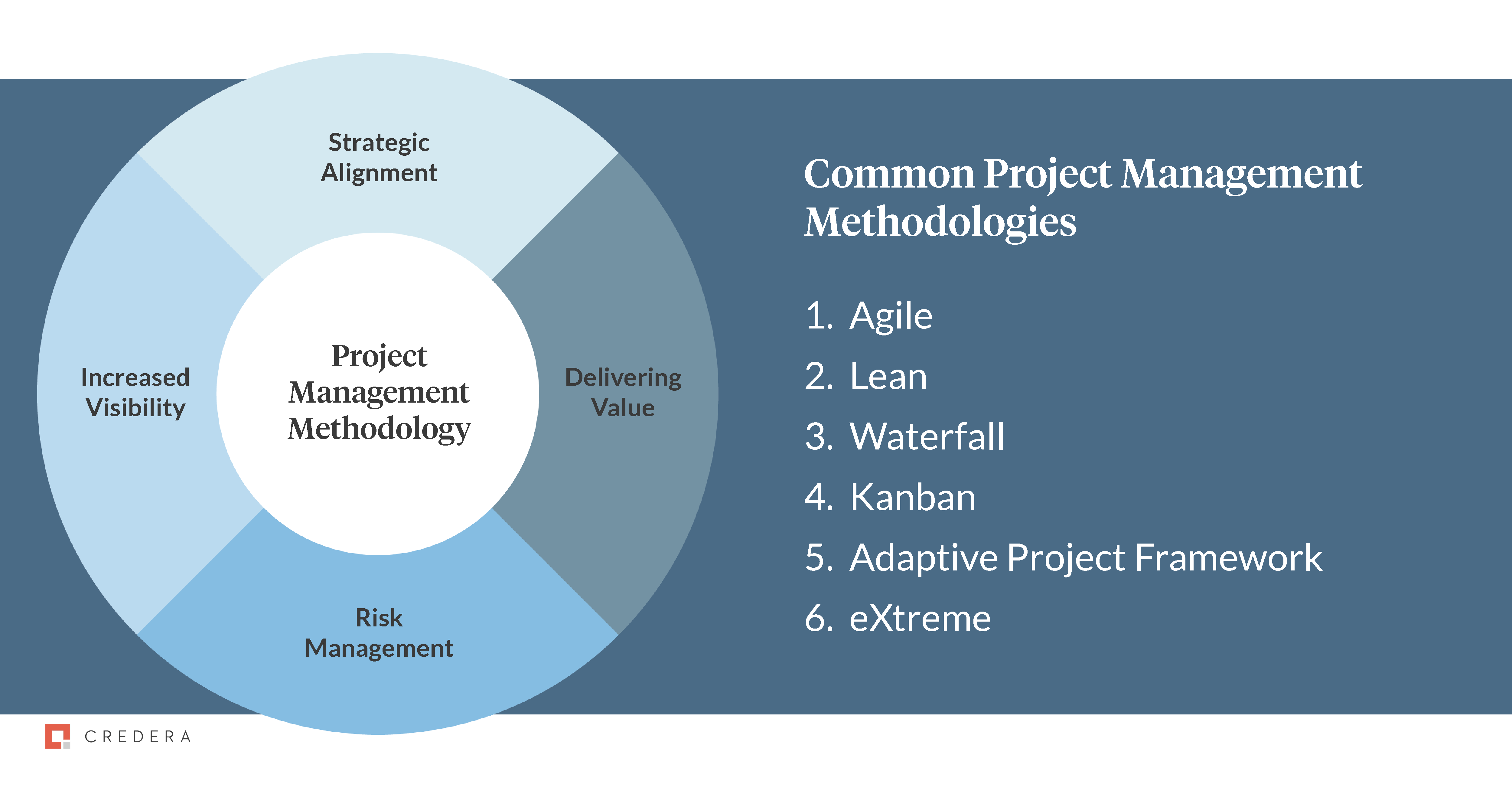
Before implementing a new framework, leadership must evaluate whether the team has the necessary autonomy to make decisions during the project. According to research from the Standish Group, project success rates are significantly higher when the team has clear ownership of their processes and the ability to adapt to challenges as they arise. Training, mentorship, and clear communication from project sponsors are essential components of a successful methodology rollout.
Next Steps for Project Managers
Project managers should begin by conducting a comprehensive audit of current workflows to identify where delays occur. If teams are consistently missing deadlines due to changing requirements, transitioning to an iterative model like Scrum may be necessary. Conversely, if projects are failing due to a lack of documentation or unclear scope, implementing more formal Waterfall controls might be the solution.
The next major update for many project management software platforms is expected by the third quarter of 2024, according to recent industry disclosures from major vendors. Keeping track of these updates will provide teams with new tools to visualize their workflows and automate reporting. Whether adopting a new framework or optimizing an existing one, the focus should remain on delivering consistent value. Readers are encouraged to share their experiences with these frameworks in the comments section below.
Worth a look