
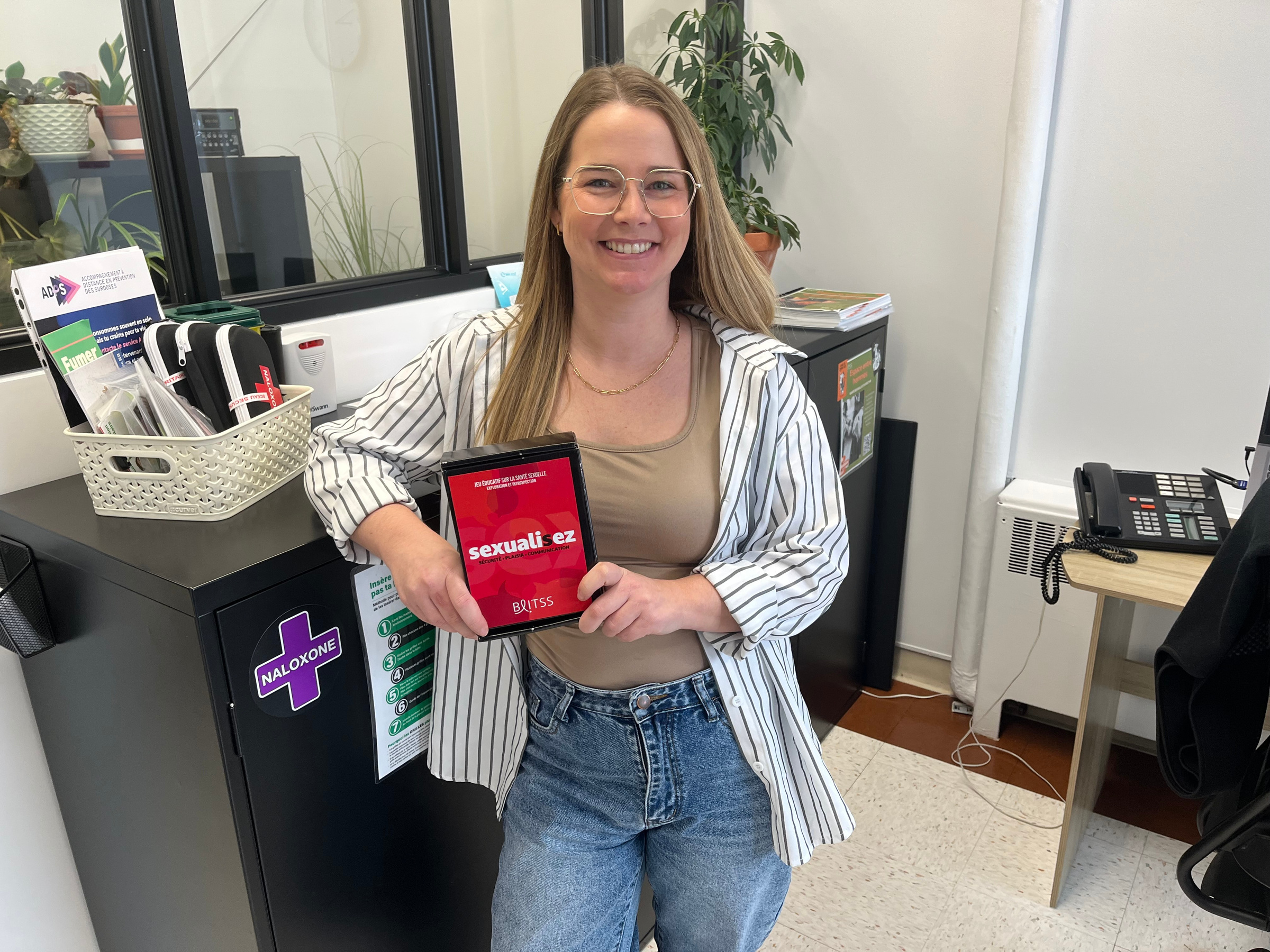
Addressing sexual health in older adults often requires breaking through decades of social stigma and systemic ageism. In Quebec, a specialized community organization is utilizing a gamified approach to open these difficult conversations, moving beyond simple clinical checklists to embrace a holistic view of wellbeing for seniors.
The Bureau de lutte aux infections transmises sexuellement et par le sang (BLITSS) of Victoriaville, which serves the Centre-du-Québec region, is expanding its reach through an educational tool called “Sexualisez.” This initiative focuses on global sexual health by combining the prevention of sexually transmitted and blood-borne infections (STBBIs) with broader discussions on intimacy, desire and the physical changes associated with aging.
The project has received a significant financial boost to enhance its impact. The organization secured a contribution of 244,611 dollars to further develop and implement the game, building upon an initial funding phase provided by the New Horizons for Seniors program between 2022 and 2023.
Breaking Taboos Through Gamification
For many adults aged 55 and older, discussions regarding sexuality are frequently hindered by deeply ingrained taboos. Mylène St-Pierre, the director of BLITSS, notes that ageism often manifests in the way society views the sexual lives of seniors, frequently dismissing or ignoring their needs and health requirements.

The “Sexualisez” game is designed to dismantle these barriers by replacing a formal clinical setting with a ludic, interactive environment. The tool utilizes a card-drawing mechanism that prompts players to engage in spontaneous discussions. According to St-Pierre, the goal is for a single card to “unloose the tongues,” allowing participants to share personal experiences and discover that others may face similar challenges or hold entirely different perspectives on intimacy.
While the prevention of STBBIs serves as the initial “entry point” for the game, the scope is intentionally wider. By framing the conversation around health, the program encourages participants to address sexual health in its entirety, acknowledging that physical health and emotional wellbeing are inextricably linked in the later stages of life.
The Impact of Holistic Sexual Health in Aging
The approach taken by BLITSS aligns with a broader medical understanding that sexual health is a key indicator of overall health. When seniors are unable to discuss these topics due to embarrassment or lack of resources, they may miss critical opportunities for preventative care and mental health support.
Early feedback from those who have tested the game indicates a transition from initial hesitation to open dialogue. Participants have reported that the interactive nature of the game helped them realize they were not alone in their experiences and, in some cases, introduced them to health topics they had never encountered before.
Key Components of the “Sexualisez” Initiative
- Target Demographic: Specifically designed for individuals aged 55 and older.
- Primary Objective: To prevent STBBIs while promoting a comprehensive understanding of global sexual health.
- Methodology: Use of a card-based educational game to reduce formality and encourage peer-to-peer exchange.
- Regional Reach: Operated by BLITSS in Victoriaville, serving the broader Centre-du-Québec area.
Why Global Sexual Health Matters for Seniors
The shift toward “global” sexual health means moving away from a purely pathology-based model—where the only focus is the absence of disease—toward a model that emphasizes pleasure, consent, and emotional satisfaction. In the context of aging, this is particularly vital as patients navigate hormonal changes, chronic illnesses, and the psychological impact of aging.
By integrating these discussions into a community setting, organizations like BLITSS assist reduce the isolation that often accompanies sexual dysfunction or health concerns in older age. The use of a game allows the “patient” to become a “player,” shifting the power dynamic from a doctor-patient hierarchy to a supportive community circle.
This initiative reflects a growing trend in public health to use non-traditional methods to reach marginalized or overlooked populations. By addressing the specific intersection of aging and sexual health, the project seeks to ensure that the right to health and intimacy is maintained regardless of age.
The continued development of “Sexualisez” will allow BLITSS to refine its tools and expand its outreach across the Centre-du-Québec region, ensuring that more seniors have the vocabulary and the confidence to discuss their sexual health with peers and healthcare providers.
For those seeking further information on sexual health resources, community organizations such as SPHÈRE in Laval provide similar confidential and free support services, including individual and group support, emphasizing the importance of accessible community-based care.
The BLITSS organization will continue to implement the enhancements funded by the recent grant to improve the educational experience for seniors in their region. We invite readers to share their thoughts on the use of gamification in public health in the comments below.