
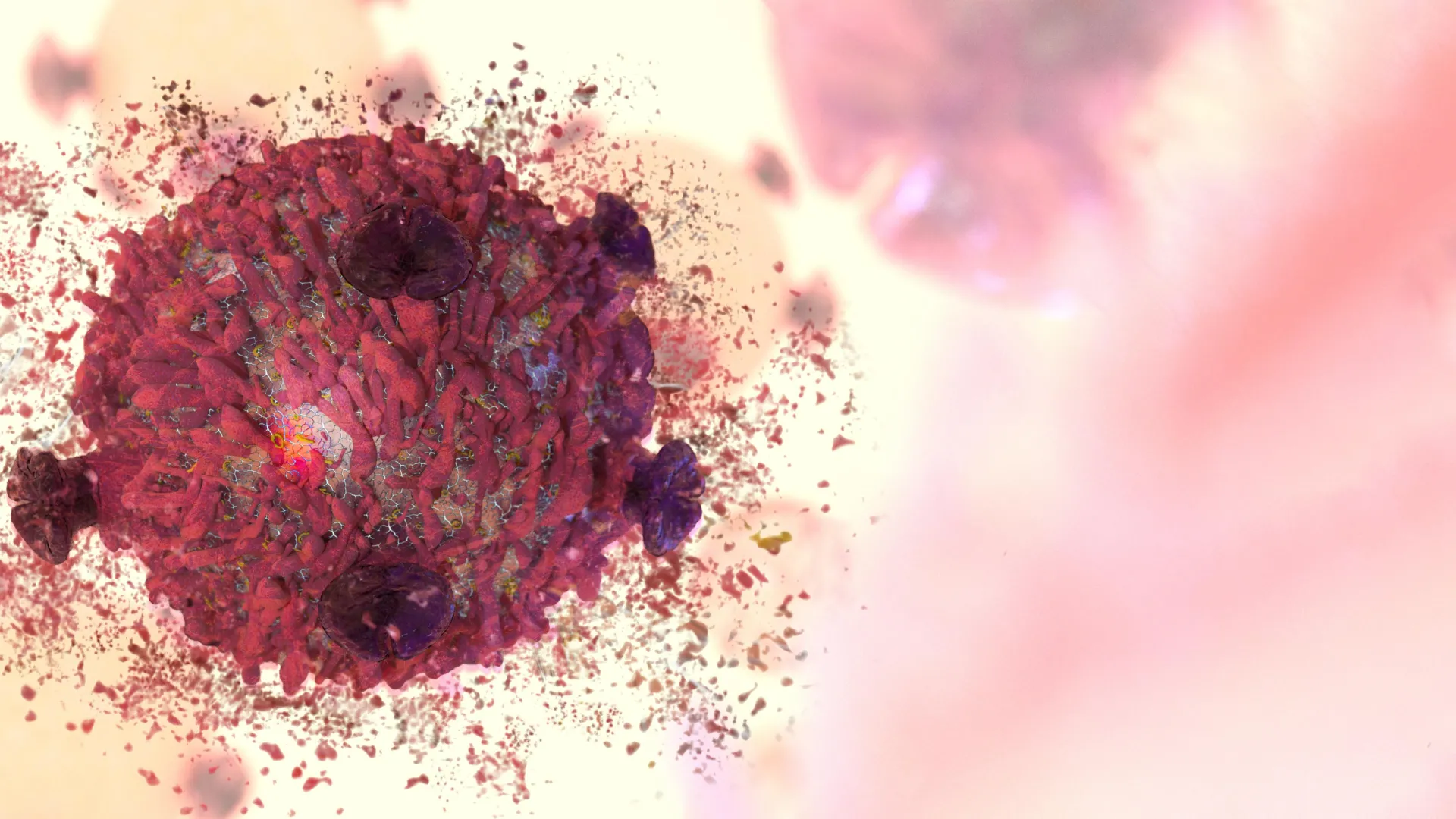
New Target identified in Prostate Cancer: blocking Enzymes PDIA1 & PDIA5 Enhances Treatment Effectiveness
Prostate cancer affects one in eight men during their lifetime, making it a important global health concern. Now, an international research collaboration has pinpointed a critical vulnerability within prostate cancer cells, offering a promising avenue for developing more effective therapies and overcoming treatment resistance. The groundbreaking study,published in the Proceedings of the National Academy of Sciences (PNAS),details how targeting two specific enzymes,PDIA1 and PDIA5,can substantially weaken cancer cells and boost the efficacy of existing treatments.
Understanding the Role of PDIA1 and PDIA5 in Prostate Cancer
The research, spearheaded by scientists at Flinders University (Australia) and South China University of Technology, centers on the androgen receptor (AR). The AR is a protein that fuels the growth of prostate cancer. Researchers discovered that PDIA1 and PDIA5 act as crucial protectors of this receptor, essentially shielding it from breakdown and allowing cancer cells to thrive.
Think of these enzymes as molecular bodyguards. They maintain the AR’s stability, enabling it to continue driving cancer progression, even in the face of treatment. However,when these enzymes are inhibited,the AR becomes unstable,fragments,and ultimately leads to cancer cell death – a finding consistently demonstrated in both laboratory cell cultures and animal models.
Synergistic effect: Combining Enzyme Inhibition with Existing Therapies
Perhaps the most compelling aspect of this research is the demonstrated synergy between blocking PDIA1 and PDIA5 and utilizing enzalutamide, a commonly prescribed medication for advanced prostate cancer. The combination proved significantly more effective than enzalutamide alone.
“We’ve discovered a previously unknown mechanism that prostate cancer cells use to protect the androgen receptor, wich is a key driver of the disease,” explains Professor Luke Selth, Head of Prostate Cancer Research and Co-Director of the Flinders Health and Medical research Institute’s Cancer Impact program. “By targeting these enzymes, we can destabilize the AR and make tumors more vulnerable to existing therapies like enzalutamide.”
Professor Jianling Xie, lead author of the study (now at South China University of Technology), further emphasizes the potential. “Our findings show that PDIA1 and PDIA5 are not just helpers of cancer growth but they’re also promising targets for new treatments that could work alongside existing drugs.” Testing on patient-derived tumor samples and mouse models yielded highly encouraging results, suggesting a strong translational potential for clinical submission.
beyond Receptor Protection: Disrupting Cellular Energy & Stress Management
The impact of PDIA1 and PDIA5 extends beyond simply protecting the androgen receptor. The study revealed these enzymes play a vital role in helping cancer cells cope with stress and maintain their energy production.
Cancer cells require a robust energy supply to proliferate. PDIA1 and PDIA5 contribute to the health of mitochondria – the cell’s “power plants.” Blocking these enzymes damages the mitochondria, leading to oxidative stress and a critical energy deficit within the cancer cells.
“this dual impact of hitting both the AR and the cancer’s energy supply makes these enzymes especially attractive targets,” explains Dr. Xie. “it’s like cutting off both the fuel and the engine simultaneously occurring.” This multi-pronged attack offers a potentially powerful strategy for overcoming treatment resistance.
The Path Forward: Developing safer and More Selective Inhibitors
While the initial findings are exceptionally promising, researchers acknowledge that current PDIA1 and PDIA5 inhibitors require further refinement before they can be safely used in patients.Some existing compounds exhibit a lack of specificity, potentially affecting healthy cells alongside cancerous ones.
Future research will focus on designing novel inhibitors that selectively target PDIA1 and PDIA5 within cancer cells, minimizing off-target effects and maximizing therapeutic benefit. This precision approach is crucial for developing safer and more effective prostate cancer treatments.
Why This Matters: Addressing a Critical Unmet Need in Prostate Cancer Treatment
Prostate cancer is the second most common cancer diagnosed in men worldwide. While advancements in hormone therapy and AR-targeting drugs have improved survival rates, a significant challenge remains: the development of treatment resistance.
This new discovery offers a potential solution to this critical problem. By targeting PDIA1 and PDIA5,researchers hope to overcome resistance mechanisms and improve treatment outcomes for men with advanced prostate cancer. The research underscores the importance of continued investment in basic science to unlock new therapeutic strategies for this prevalent disease.
Research Funding & Acknowledgements:
This research was generously supported by Cancer Council SA, Cancer Council NSW, the Flinders Foundation, the Movember Foundation, the Prostate Cancer Foundation of Australia, The Hospital Research Foundation, Cancer Australia, Masonic Charities Trust, the Australian Research Council, and several international funding organizations.
Resources & Further Information:
* **Proceedings





