
Rising cocaine consumption in Vienna has prompted health experts and professional associations to call for an urgent expansion of prevention and treatment infrastructure. Data from the European Monitoring Centre for Drugs and Drug Addiction (EMCDDA) indicates that cocaine use continues to trend upward across major European metropolitan areas, with wastewater analysis in Vienna consistently showing elevated levels of drug metabolites in recent years, according to the European Drug Report 2024.
The Berufsverband Österreichischer Psychologinnen und Psychologen (BÖP), the primary professional association for psychologists in Austria, has emphasized that clinical intervention must be coupled with robust public health strategies to address the rising demand for addiction services. As medical professionals observe this shift in consumption patterns, the focus is increasingly turning toward the intersection of mental health support, harm reduction, and the necessity of accessible, evidence-based treatment options for those struggling with substance use disorders in the Austrian capital.
Understanding the Current Consumption Trends
The rise in cocaine use is not an isolated phenomenon but part of a broader shift in European drug markets. According to the European Drug Report 2024, record quantities of cocaine have been seized across European borders, leading to increased availability and lower street prices. In Vienna, this trend manifests in both increased clinical presentations and environmental data. Wastewater monitoring, a tool used by the SCORE network in collaboration with local health authorities, provides a snapshot of consumption levels by measuring the concentration of benzoylecgonine—the primary metabolite of cocaine—in the city’s sewage systems.
Health officials note that the accessibility of the drug has changed significantly over the last decade. While historically viewed as a niche substance, cocaine is now increasingly reported across diverse demographic groups in urban centers. The BÖP has highlighted that the psychological impact of this trend involves not only the physiological risks of addiction but also the exacerbation of pre-existing mental health conditions, such as anxiety and depression, which are frequently comorbid with substance use.
The Role of Prevention and Early Intervention
Effective prevention strategies require a multi-faceted approach, moving beyond simple enforcement to prioritize public health outcomes. The BÖP advocates for early intervention programs that focus on psychological resilience and the identification of high-risk behaviors before they escalate into chronic dependency. In Austria, the Federal Ministry of Social Affairs, Health, Care and Consumer Protection provides the framework for national addiction strategies, which emphasize that treatment should be integrated into the broader healthcare system to reduce stigma and improve patient outcomes.

Psychologists point out that the “normalization” of cocaine use in certain social circles often obscures the severe health risks involved. These include cardiovascular complications, neurological issues, and the high potential for psychological dependence. By strengthening school-based programs and workplace health initiatives, experts believe that the city can better equip the population to navigate the risks associated with substance exposure.
Treatment Infrastructure and Clinical Support
For those already affected, the current clinical landscape in Vienna offers a range of services, including outpatient counseling, detoxification centers, and long-term rehabilitation programs. However, the BÖP and other health advocates suggest that the rising numbers of individuals seeking help require a corresponding increase in funding and human resources. The goal is to ensure that wait times for therapy remain low and that specialized care is available for individuals with complex, co-occurring psychological diagnoses.
The Vienna Addiction and Drug Coordination (Suchthilfe Wien) serves as a key pillar in this effort, offering low-threshold services and referral pathways for those in need of assistance. Their approach centers on the concept of “harm reduction,” which prioritizes keeping individuals alive and connected to the healthcare system while working toward long-term recovery goals. This includes providing access to medical consultations and psychological support that does not require immediate abstinence, which can be a significant barrier to seeking help for many users.
Addressing the Future of Public Health Policy
What happens next depends on the prioritization of mental health and addiction services in upcoming municipal and federal budgets. The BÖP continues to call for a policy shift that treats substance use as a health issue rather than a purely criminal one. This involves fostering collaboration between social workers, physicians, and psychologists to create a seamless continuum of care.
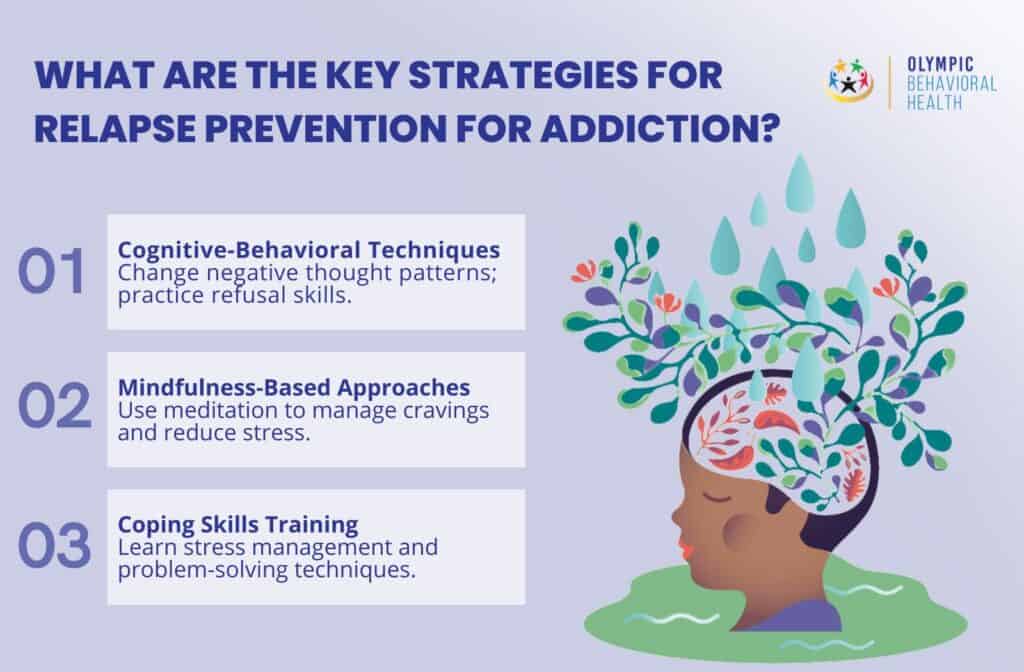
As the city monitors these trends, the emphasis remains on transparency and data-driven decision-making. Future updates from the EMCDDA and local health monitoring bodies will be essential in determining whether current prevention efforts are successfully mitigating the impact of rising cocaine consumption. For those seeking information or support, the Federal Ministry of Health maintains updated directories of treatment centers and crisis hotlines for individuals and families affected by substance use.
We welcome your perspectives on how urban health policies can better address these challenges. Please share this report with your network to help raise awareness about available support services in the region.
Worth a look