
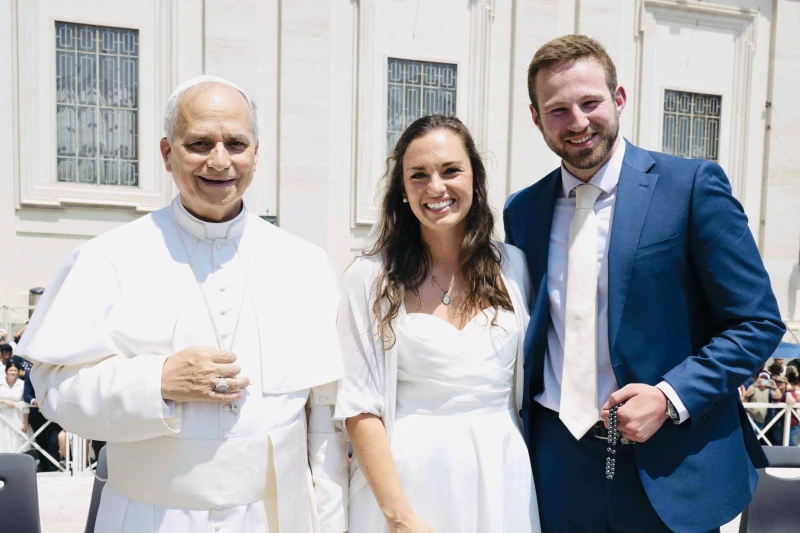
Puerto Rican recording artist Bad Bunny, born Benito Antonio Martínez Ocasio, met with Pope Francis at the Vatican on Monday, marking a high-profile encounter between the global music superstar and the head of the Catholic Church. The meeting took place during a scheduled audience at the Apostolic Palace in Vatican City, where the singer was accompanied by members of his family, according to official Vatican communications regarding the Pope’s weekly schedule.
The meeting occurred as part of a broader diplomatic and pastoral itinerary for the Pontiff, who regularly hosts public and private audiences to engage with various public figures, artists, and leaders. While the Vatican typically keeps the content of private discussions confidential, the event has drawn significant attention due to the starkly different spheres of influence occupied by the two men: Martínez Ocasio, a multi-Grammy award winner and central figure in modern Latin trap and reggaeton, and Pope Francis, who leads the world’s 1.3 billion Catholics, as noted by the Pew Research Center.
Context of the Papal Audience
Pope Francis holds regular audiences on Wednesdays, but private meetings often take place throughout the week depending on his official calendar. The Vatican maintains a structured protocol for these encounters, which are managed by the Prefecture of the Papal Household. According to Vatican records, these meetings are often requested by high-profile individuals to discuss humanitarian issues, cultural impact, or personal faith.

For Martínez Ocasio, the visit to the Vatican follows a period of intense global touring and media visibility. The artist has previously spoken in interviews about his upbringing and his perspective on fame, though he has not yet released a formal statement detailing the specific topics discussed during his time with the Pope. Observers of Vatican media relations note that the Pope frequently uses these meetings to encourage artists to use their platforms for social advocacy and to address the challenges facing younger generations.
Global Cultural Impact and Public Reception
The encounter has sparked widespread discussion across social media platforms, highlighting the intersection of secular pop culture and religious authority. Martínez Ocasio, who has been a vocal advocate for Puerto Rican cultural identity and social justice issues, represents a massive demographic of young listeners worldwide. By meeting with the Pope, the artist joins a long list of cultural icons—including actors, athletes, and musicians—who have sought audiences with the Pontiff to bridge the gap between contemporary entertainment and spiritual discourse.
Experts in international media note that such meetings serve as a form of “soft power” for both parties. For the Vatican, engaging with figures who command significant influence over youth culture provides an opportunity to amplify messages regarding climate change, poverty, and social inequality. For artists like Bad Bunny, the meeting offers a moment of reflection and a significant milestone in their public life, often carrying weight in the regions where their fan base is most concentrated.
What Happens Next
As of Tuesday, there have been no further official updates from either the Holy See Press Office or the artist’s representatives regarding potential follow-up initiatives or collaborative efforts stemming from the visit. The Vatican’s public schedule remains focused on upcoming liturgical events and scheduled meetings with international dignitaries. Fans and followers of both figures are encouraged to monitor the official Holy See Press Office for any future releases or transcripts that may clarify the nature of the meeting.
This encounter remains a singular event in a busy calendar for both the artist and the Pontiff. Readers interested in the implications of this meeting for global cultural trends or upcoming Vatican initiatives can follow our ongoing coverage as more details become available. Please share your thoughts in the comments section below regarding the intersection of pop culture and institutional religious leadership.