Winrevair (sotatercept), a biologic therapy for pulmonary arterial hypertension (PAH), has been recognized as the “Medicamento del Año” (Medicine of the Year) at the 2024 Fundamed Awards, marking a significant shift in the treatment landscape for this rare, progressive disease. The award, presented by the Fundación de Ciencias del Medicamento y Productos Sanitarios in Madrid, highlights the therapy’s role in addressing the underlying cellular mechanisms of PAH rather than focusing solely on vasodilation.
Pulmonary arterial hypertension is a life-threatening condition characterized by the narrowing of small arteries in the lungs, which forces the right side of the heart to work harder to pump blood. According to the European Medicines Agency (EMA), Winrevair acts as a fusion protein that binds to activin ligands, effectively rebalancing the signaling pathways involved in vascular cell proliferation. This mechanism represents a departure from traditional therapies that primarily aim to relax blood vessels.
Understanding the Clinical Impact of Sotatercept
The clinical approval of sotatercept followed the results of the STELLAR trial, which demonstrated a statistically significant improvement in the six-minute walk distance for patients with PAH. Published in the New England Journal of Medicine, the data indicated that patients receiving the drug in addition to background therapy showed a mean increase of 40.8 meters in their walking distance over 24 weeks compared to those on placebo. This metric is the primary benchmark for functional capacity in PAH clinical trials.
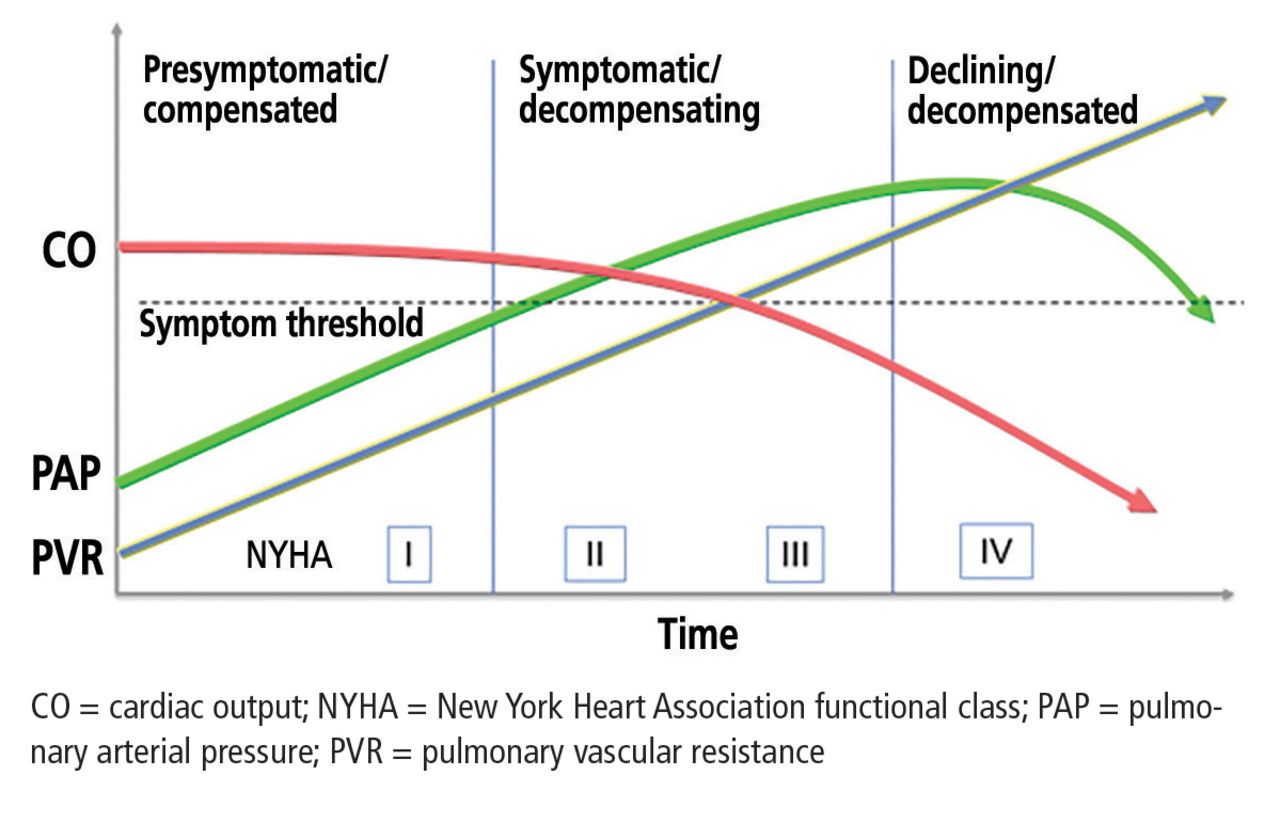
Beyond functional capacity, the drug has shown potential in modifying the disease’s natural history. The underlying pathology of PAH involves an imbalance between pro-proliferative and anti-proliferative signaling in the pulmonary vasculature. By inhibiting activin signaling, sotatercept aims to reduce the remodeling of the arterial walls. The U.S. Food and Drug Administration (FDA) granted approval for the drug in March 2024, noting that it is indicated for adults with WHO Group 1 PAH to increase exercise capacity, improve World Health Organization (WHO) functional class, and reduce the risk of clinical worsening events.
Evolution of Pulmonary Arterial Hypertension Care
For decades, the standard of care for pulmonary arterial hypertension has relied on three main pathways: the prostacyclin pathway, the endothelin pathway, and the nitric oxide pathway. While these treatments are effective at managing symptoms and improving hemodynamics, they do not reverse the structural changes in the pulmonary arteries. The introduction of a therapy targeting the activin pathway is considered a major advancement by clinicians who manage the disease.
The recognition by Fundamed emphasizes the importance of innovation in addressing rare diseases where treatment options have historically been limited. As noted by the Pulmonary Hypertension Association, the condition remains chronic and complex, requiring lifelong management. The shift toward therapies that address vascular remodeling signals a new era in research, potentially allowing for more personalized treatment strategies for patients who do not respond adequately to conventional vasodilators.
Safety and Administration Considerations
As with any biologic therapy, the use of sotatercept requires careful clinical monitoring. The European Medicines Agency notes that the drug is administered via subcutaneous injection once every three weeks. Common side effects observed in clinical trials include telangiectasia, bleeding events, increased hemoglobin levels, and thrombocytopenia. Because of the risk of elevated hemoglobin, healthcare providers are advised to monitor blood counts regularly to prevent symptomatic erythrocytosis.
Patients are encouraged to consult with their pulmonary hypertension specialists regarding the suitability of this therapy based on their specific disease progression and current medication regimen. Official guidance and updates regarding the implementation of new PAH therapies are managed through national health authorities and the European Medicines Agency. Further data on long-term outcomes and safety profiles are expected as the drug is integrated into clinical practice globally.
The next phase of clinical evaluation for sotatercept involves ongoing post-marketing surveillance and long-term extension studies designed to assess its impact on mortality and the long-term stabilization of pulmonary vascular resistance. Readers interested in the latest clinical updates or patient resources are encouraged to follow official announcements from medical regulatory bodies and discuss individual care plans with their medical teams. We welcome your thoughts on how emerging biologics are reshaping the treatment of chronic conditions in the comments section below.
Related reading