Pulmuone’s China Strategy Pays Off with Revenue Rebound Amidst Economic Headwinds
Seoul-based food conglomerate Pulmuone is experiencing a resurgence in the Chinese market, with its China division’s revenue exceeding 100 billion yuan (approximately $70 million USD) in 2024. This marks a significant recovery after a period of decline, fueled by a strategic shift away from a sole reliance on tofu products and a successful expansion into frozen foods and noodles. The turnaround comes despite a broader slowdown in the Chinese economy, demonstrating the effectiveness of Pulmuone’s diversification efforts.
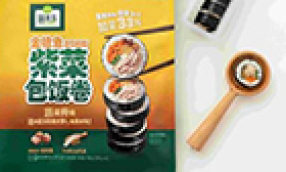
For years, Pulmuone’s presence in China was largely defined by its tofu offerings. However, recognizing the need to adapt to evolving consumer preferences and a more competitive landscape, the company embarked on a strategy to broaden its product portfolio. This included expanding into the rapidly growing frozen food sector, particularly with localized products like Korean-style tuna kimbap, and introducing noodle varieties tailored to the Chinese palate. This diversification appears to be the key driver behind the company’s recent success.
Navigating a Challenging Market
The Chinese market presented significant challenges in recent years. Pulmuone’s China division saw revenue decline from 105.2 billion yuan in 2022 to 81.5 billion yuan in 2023, attributed to domestic consumption slowdowns. Revenue remained stagnant in 2024, hovering around 80 billion yuan. However, the growing popularity of K-food, coupled with increased demand for convenient meal solutions like frozen kimbap and instant noodles, spurred a dramatic turnaround in 2024, pushing revenue past the 100 billion yuan mark.
The success of Pulmuone’s frozen food line is particularly noteworthy. Sales in this segment grew by 72% in 2024, largely driven by the popularity of its frozen kimbap. The “Tuna KimBap” sold through the Sam’s Club retail chain in China generated over 10 billion yuan in revenue within a year of its launch. To further enhance profitability, Pulmuone transitioned to an Original Equipment Manufacturing (OEM) model for frozen kimbap production, outsourcing manufacturing to local factories in the latter half of 2024.
Strategic Product Innovation and Localized Production
Pulmuone’s success isn’t solely attributable to expanding product lines; it’s also about adapting to local tastes. The company’s recent launch of “Kimchi & Fishcake Udon Noodles” demonstrates this commitment to innovation and localization. Iu-bong Lee, Pulmuone’s Chief Executive Officer, personally visited a noodle factory in Beijing in January 2026 to sample the product and assess market conditions, highlighting the company’s increased focus on its Chinese operations.
The move towards localized production, particularly with the OEM model for frozen kimbap, is a strategic step towards improving efficiency and reducing costs. By leveraging local manufacturing capabilities, Pulmuone can respond more quickly to market demands and maintain a competitive edge. This also allows the company to focus on product development and marketing, further strengthening its brand presence in China.
Broader Context: K-Food’s Rising Popularity
Pulmuone’s success in China is occurring within a broader trend of increasing popularity for Korean food and culture. The “Korean Wave,” or *Hallyu*, has significantly boosted demand for Korean products, including food items. This trend has created a favorable environment for companies like Pulmuone to expand their market share and introduce new products.
The company’s diversification strategy aligns with this trend, capitalizing on the growing consumer interest in Korean cuisine. By offering a wider range of products beyond traditional tofu, Pulmuone is able to appeal to a broader audience and capture a larger share of the Chinese food market. The company’s ability to adapt to local tastes while maintaining the authenticity of Korean flavors has been crucial to its success.
Future Outlook and Potential Challenges
Looking ahead, Pulmuone appears well-positioned to continue its growth trajectory in China. The company’s commitment to innovation, localization, and efficient production should enable it to navigate the challenges of a dynamic market. However, potential headwinds remain, including ongoing economic uncertainty in China and increasing competition from both domestic and international food companies.
Notably, in April 2025, Pulmuone announced the sale of its Chongqing factory in China after 12 years of operation to a local Chinese company. This move, attributed to changing global market conditions, suggests a potential shift in Pulmuone’s manufacturing strategy, potentially focusing more on OEM partnerships and streamlined operations. The long-term impact of this sale on Pulmuone’s China operations remains to be seen.
Despite these challenges, Pulmuone’s recent performance demonstrates its resilience and adaptability. The company’s ability to rebound from a period of decline and achieve significant revenue growth underscores the effectiveness of its strategic initiatives. Continued investment in product development, localized marketing, and efficient production will be crucial for sustaining this momentum in the years to come.
Key Takeaways:
- Pulmuone’s China division revenue exceeded 100 billion yuan in 2024, a significant recovery after recent declines.
- Diversification into frozen foods and noodles, particularly Korean-style kimbap, drove the revenue increase.
- Localized production through OEM partnerships is enhancing profitability and responsiveness to market demands.
- The growing popularity of K-food in China is creating a favorable environment for Pulmuone’s expansion.
- The sale of the Chongqing factory in 2025 signals a potential shift in Pulmuone’s manufacturing strategy.
Pulmuone’s next financial results for the first quarter of 2026 are expected to be released in May, providing further insight into the company’s performance in the Chinese market. We encourage readers to share their thoughts on Pulmuone’s success and the broader trends shaping the food industry in China in the comments below.
Related reading