
Singapore’s National Parks Board (NParks) has confirmed It’s investigating a dog attack incident that took place in Punggol Place, a residential area in the northeastern part of the city-state. The incident, which occurred on March 13, 2026, has drawn attention to ongoing concerns about public safety in urban parks and communal spaces. While details about the victim’s condition and the circumstances surrounding the attack remain limited, NParks has stated it is reviewing the case to ensure compliance with local regulations governing pet ownership and public safety protocols.
The investigation comes amid heightened scrutiny of pet-related incidents in Singapore, where strict laws govern animal behavior in public spaces. Under the Animal and Birds Act, pet owners are required to maintain control of their animals at all times, and failure to do so can result in fines or legal action. The incident at Punggol Place, if found to be in violation of these laws, could lead to enforcement measures against the dog’s owner.
For residents and visitors to Singapore, the case serves as a reminder of the importance of adhering to local regulations when interacting with pets in public areas. NParks has not yet provided a timeline for the completion of its investigation, but officials have urged the public to report any similar incidents to ensure prompt action. Meanwhile, concerns about safety in communal spaces continue to spark discussions about how to balance pet ownership rights with public welfare.
Background: Pet Regulations in Singapore
Singapore’s approach to pet ownership is governed by a robust legal framework designed to minimize risks to public safety. The National Parks Board (NParks) oversees the enforcement of these regulations, which include mandatory microchipping for dogs, leash requirements in public areas, and restrictions on certain breeds deemed potentially dangerous. The Animal Management Act further outlines penalties for owners whose pets cause harm or distress.
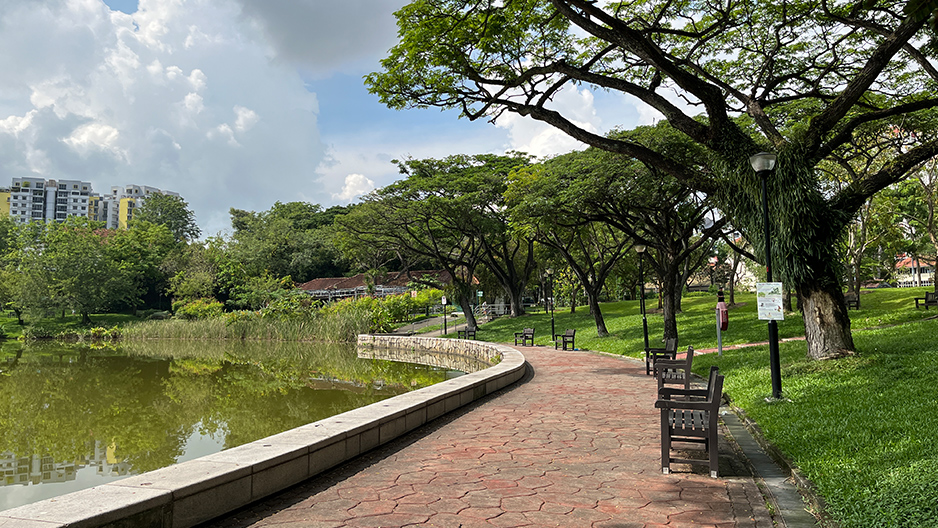
Punggol Place, where the incident occurred, is part of Singapore’s Urban Redevelopment Authority (URA)-approved residential development, blending modern amenities with green spaces. The area is known for its community-oriented design, featuring parks, playgrounds, and walking trails. While such spaces are intended to foster social interaction, they also present challenges in managing pet behavior, particularly in high-traffic areas.
Key Takeaways
- Investigation Underway: NParks is actively reviewing the March 13 incident at Punggol Place, with no further details released at this time.
- Legal Framework: Singapore’s Animal and Birds Act imposes strict controls on pet ownership, including leash laws and breed restrictions.
- Public Safety Focus: The case highlights ongoing efforts to balance pet ownership rights with the need to protect residents and visitors in shared spaces.
- Reporting Encouraged: NParks has called on the public to report any incidents involving uncontrolled pets to ensure timely enforcement.
- Next Steps: While no official updates have been provided, the investigation is expected to follow standard procedures under Singapore’s animal management laws.
What Happens Next?
As NParks completes its investigation, residents and pet owners are advised to remain vigilant and adhere to local regulations. If the incident is found to involve a breach of pet ownership laws, the owner may face fines or other penalties. For those affected by the attack, NParks has not yet issued specific guidance, but victims are encouraged to seek medical attention if necessary and report the incident to local authorities.

For the latest updates, residents can monitor NParks’ official communications or visit their website. Meanwhile, discussions about public safety in communal spaces are likely to continue, particularly as Singapore grapples with the growing popularity of pet ownership in urban areas.
Have you experienced or witnessed a similar incident in Singapore? Share your thoughts in the comments below or reach out to World Today Journal for further discussion.