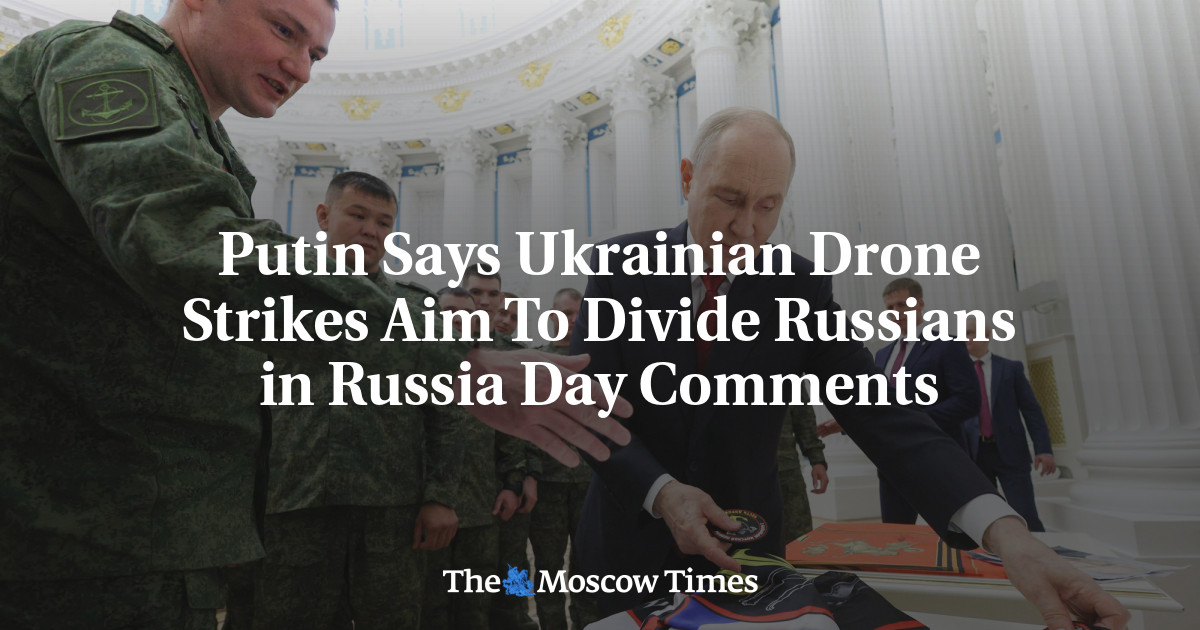
Russian President Claims Ukrainian Drone Strikes Target Domestic Stability
Russian President Vladimir Putin stated during Russia Day remarks that Ukrainian drone strikes on Russian territory are designed to create internal division and panic among the Russian population. He characterized these attacks as attempts to destabilize the country’s social fabric rather than purely military objectives, suggesting a psychological component to the ongoing aerial incursions.
The comments come as Ukraine has increasingly utilized long-range unmanned aerial vehicles (UAVs) to strike targets deep within Russian borders. These strikes have frequently targeted oil refineries, energy infrastructure, and military airfields, marking a significant shift in the tactical landscape of the conflict. While the Kremlin often downplays the success of these operations, the frequency of drone sightings in regions far from the Ukrainian border has increased throughout 2024.
The Russia Day address, held on June 12, served as a platform for Putin to reinforce a narrative of national unity. By framing the drone strikes as a tool for internal discord, the Russian leadership is attempting to preemptively address potential public anxiety regarding the vulnerability of Russian airspace and civilian infrastructure.
What did Putin say about the drone attacks?
During his address, President Putin argued that the primary intent behind the recent wave of drone incursions is to provoke a sense of insecurity among Russian citizens. He suggested that the strikes are not merely meant to damage hardware but to foster a climate of fear that could lead to social fragmentation. According to Kremlin statements, these actions are viewed as “terrorist” in nature, aimed at undermining the domestic stability required to sustain the ongoing special military operation.
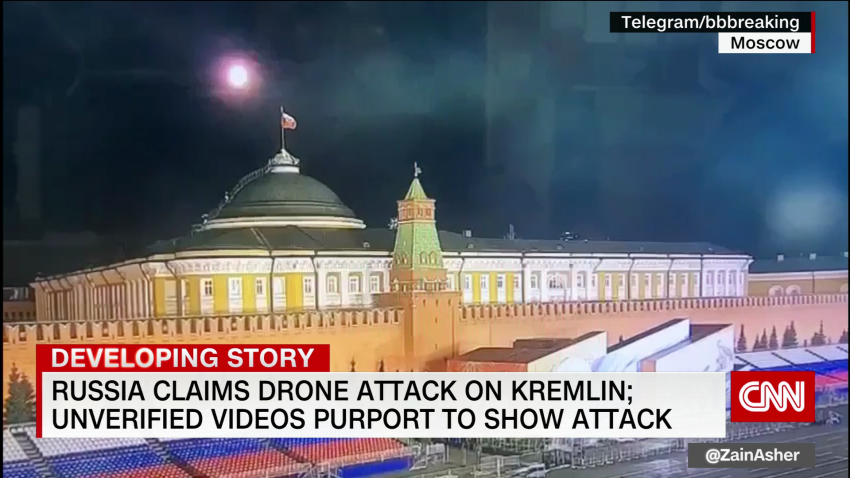

Putin’s rhetoric leans heavily on the idea of external provocation. By attributing the strikes to a coordinated effort to “divide Russians,” he positions the Russian state as a defender of social order against foreign-led chaos. This framing allows the government to categorize domestic unrest or public dissatisfaction with security measures as the intended result of foreign aggression rather than a failure of local air defenses.
Military analysts note that this narrative serves a dual purpose. First, it justifies more stringent domestic security measures and the potential for increased surveillance. Second, it provides a preemptive explanation for any disruptions to daily life, such as air raid sirens in Moscow or explosions in border regions like Belgorod, suggesting that such events are part of a larger psychological warfare campaign.
How has Ukraine’s drone strategy changed?
The increase in long-range drone activity reflects a strategic pivot by the Ukrainian military. Rather than focusing solely on the front lines in the Donbas region, Kyiv has increasingly directed its UAV capabilities toward the Russian heartland. This strategy aims to achieve several objectives: degrading Russia’s economic capacity by hitting energy assets, disrupting military logistics, and forcing the Kremlin to divert air defense resources away from the battlefield.
According to reports from Reuters, Ukrainian drone strikes have successfully impacted several major Russian oil refineries and fuel depots over the past several months. These strikes are often conducted using domestically produced drones, which allows Ukraine to circumvent some of the political sensitivities regarding the use of Western-supplied long-range weaponry for strikes inside Russian territory.
The tactical effectiveness of these drones is a subject of ongoing debate. While the Kremlin often reports that its air defense systems have intercepted the vast majority of incoming threats, the visible impact on Russian energy production suggests that a significant number of drones are reaching their intended targets. This discrepancy between official Russian reports and the physical damage observed by international observers highlights the difficulty of verifying the true efficacy of Russian electronic warfare and anti-aircraft capabilities.
What is the impact on Russian infrastructure and citizens?
The impact of these strikes is felt both economically and psychologically. Economically, the targeting of refineries and storage facilities threatens the stability of Russia’s oil and gas revenues, which remain a critical pillar of the Kremlin’s war economy. Even minor disruptions to the refining process can lead to localized fuel shortages or price volatility within the Russian domestic market.
For Russian citizens, the psychological impact is more direct. The sound of air raid sirens in major metropolitan areas like Moscow, combined with reports of explosions, creates a sense of vulnerability. Even if the physical damage to civilian infrastructure remains limited in many instances, the “psychological” goal that Putin identified—creating a sense of instability—is being tested. The unpredictability of where the next strike might occur makes it difficult for authorities to maintain a sense of normalcy.
Furthermore, the strikes have forced local governments to implement various security protocols, ranging from temporary closures of airports to the installation of additional anti-drone measures on public buildings. These measures, while intended to increase safety, also serve as constant reminders of the ongoing conflict, potentially contributing to the very sense of division the Russian President warned against.
How has Russia responded to these incursions?
The Russian government has responded to the drone threat through a combination of increased military spending, the deployment of more advanced air defense systems, and a heavy emphasis on information control. The Ministry of Defense frequently releases footage of intercepted drones to demonstrate the effectiveness of its defenses and to reassure the public that the airspace remains secure.
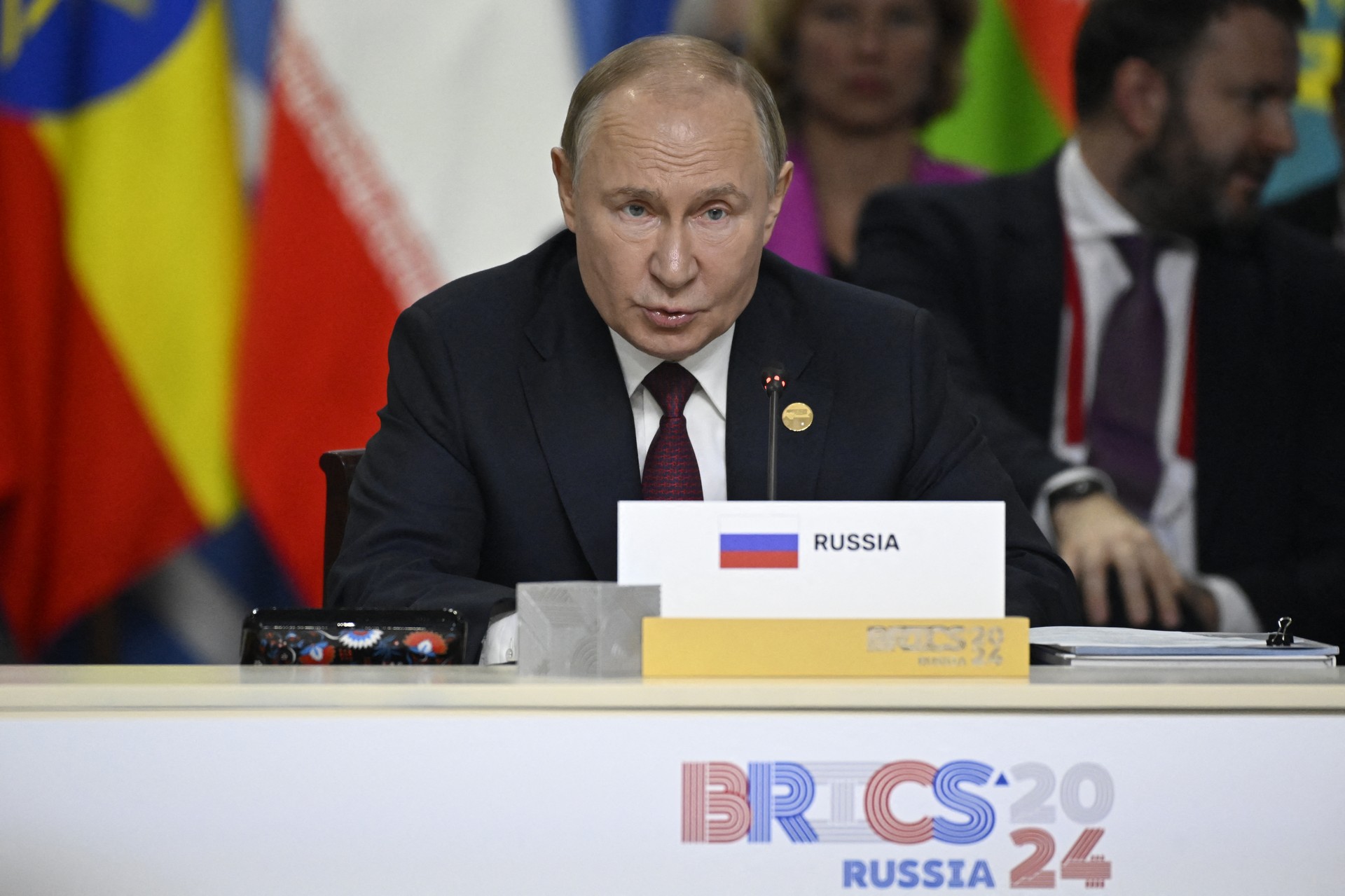
In addition to physical defenses, Russia has intensified its domestic propaganda efforts. By framing the strikes as an attempt to “divide” the population, the state encourages a “rally ’round the flag” effect, where perceived external threats are used to bolster domestic support for the government’s actions. This approach seeks to transform fear into a sense of collective resilience against foreign interference.
However, the technical challenge remains significant. The sheer volume and diversity of drone models used by Ukraine require a highly sophisticated and multi-layered defense system. As Ukraine continues to iterate on its drone technology—increasing range, payload capacity, and stealth—the Russian military faces an ongoing “cat-and-mouse” game of electronic warfare and kinetic interception.
Key Takeaways: The Drone War and Russian Stability
- Strategic Shift: Ukraine is increasingly using long-range drones to strike deep inside Russia, targeting energy and military infrastructure.
- Kremlin Narrative: President Putin claims these strikes are psychological tools meant to cause social division and panic among Russians.
- Economic Impact: Successful strikes on refineries threaten Russia’s vital oil and gas revenue streams.
- Defense Challenges: Despite claims of high interception rates, the frequency of strikes suggests gaps in Russian air defense capabilities.
- Social Response: The Russian state is using the threat of drone strikes to promote national unity and justify increased security measures.
The next major checkpoint for observers will be the upcoming assessments of Russian oil export volumes and domestic fuel prices, which will serve as a concrete indicator of the drone campaign’s economic success. Additionally, international monitoring of Russian air defense deployments in border regions will provide clarity on how Moscow is adjusting its tactical response to the ongoing aerial threat.
What are your thoughts on the evolving nature of this aerial conflict? Do you think the psychological impact will outweigh the physical damage? Share your comments below and share this article with your network.