Russia-India Ties Under Scrutiny: Navigating Trade, Defense, and Global Pressure
Is India’s relationship with Russia being tested by the ongoing conflict in Ukraine? The recent visit by Russia’s leader to India marks a pivotal moment, bringing intense scrutiny to the nations’ longstanding trade and defense partnership. This article delves into the complexities of this relationship, the international pressures India faces, and the broader implications for global geopolitics.
A High-Stakes Visit
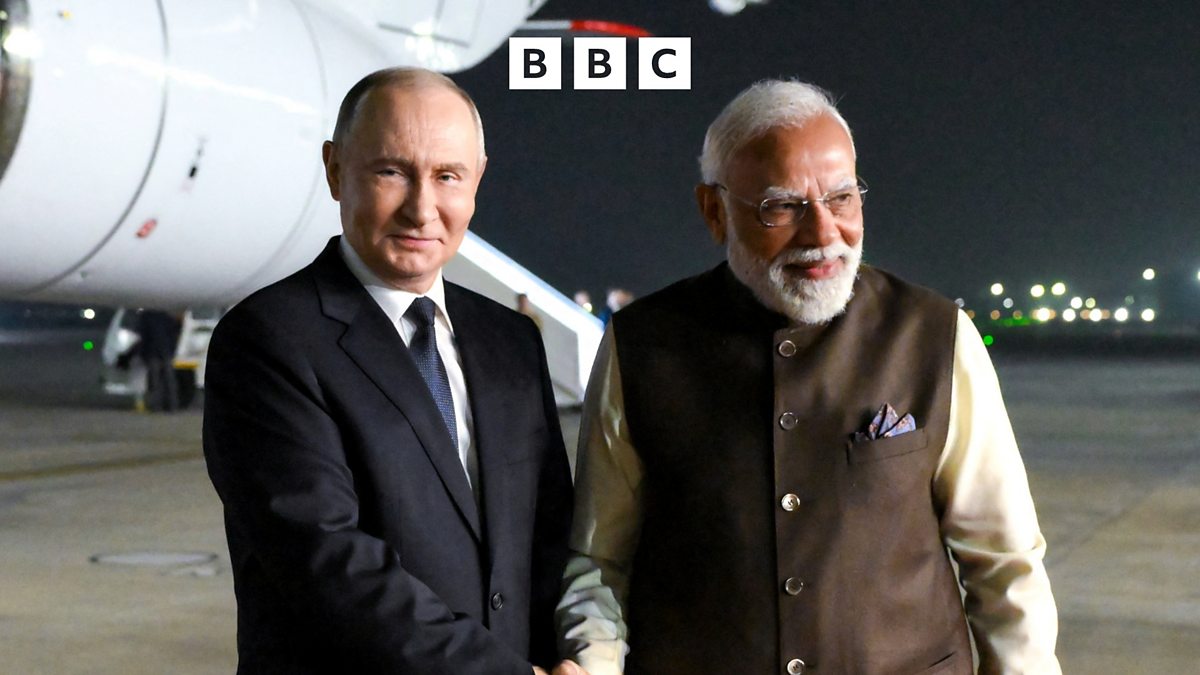
For the first time since the full-scale invasion of Ukraine, Russia’s leader has traveled to India for high-level talks. The core of the discussions revolves around strengthening trade ties and deepening defense cooperation. However, this visit occurs against a backdrop of notable international pressure.Many nations are urging India to reconsider its continued purchase of Russian oil, arguing that this trade directly finances Russia’s war efforts.
India, historically reliant on Russian arms and energy supplies, finds itself in a delicate position.Balancing its strategic interests with global condemnation presents a considerable challenge. What factors are influencing India’s decision-making process?
The Oil Trade and its Implications
The crux of the international concern lies in India’s increasing imports of Russian oil. Since the start of the Ukraine conflict, India has significantly boosted its purchases, benefiting from discounted prices. While India maintains it needs affordable energy to fuel its economic growth, critics argue this provides a crucial economic lifeline to Russia.
Here’s a breakdown of the key arguments:
* India’s Perspective: Securing affordable energy is vital for a rapidly developing nation like India. Diversifying energy sources is a long-term goal, but currently, Russian oil offers a cost-effective solution.
* International Concerns: Continued oil purchases undermine international efforts to isolate Russia and pressure it to end the war in Ukraine. This fuels the conflict and prolongs human suffering.
* The G7 Response: The Group of Seven nations have imposed a price cap on Russian oil, aiming to limit Russia’s revenue while still allowing some supply to reach global markets. India’s continued purchases outside this framework are raising eyebrows.
Beyond Oil: Defense Cooperation
The relationship extends far beyond energy. Russia has been a long-standing key supplier of military equipment to India. This includes everything from fighter jets and submarines to missile systems. India is currently heavily reliant on Russian-made military hardware, and transitioning to alternative suppliers is a complex and time-consuming process.
How will the current geopolitical climate impact future defense deals between the two nations?
Other Global Headlines
Beyond the Russia-India dynamic, several other critical stories are unfolding:
* New York Times vs. Pentagon: The New York Times is legally challenging the Pentagon’s attempt to impose restrictions on journalists, requiring them to sign pledges limiting reporting to authorized details. This raises serious concerns about press freedom and government clarity.
* Reversal in Child Mortality Rates: A Gates Foundation study reveals a concerning trend: preventable child deaths are projected to increase this year, marking the first rise this century. this highlights the fragility of global health gains and the impact of ongoing crises.
* Immigration Arrests in New Orleans: Controversy surrounds a recent operation in new Orleans targeting undocumented immigrants, sparking debate about immigration policy and enforcement practices.
* Trump’s Comments on Somali Community: president Trump’s disparaging remarks about the Somali community in America have drawn widespread condemnation, raising concerns about divisive rhetoric and its impact on social cohesion.
* Eurovision Debate: The organizers of the Eurovision Song Contest are grappling with the question of whether israel should be allowed to participate,amidst calls for a boycott due to the conflict in gaza.
Evergreen Insights: Geopolitical Shifts and India’s Balancing Act
India’s position in the evolving global landscape is increasingly significant. Historically a non-aligned nation,india is now navigating a multipolar world characterized by rising tensions and shifting alliances. Its relationship with Russia is a prime example of this balancing act.
Here are some enduring takeaways:
* Strategic Autonomy: India prioritizes its strategic autonomy, meaning it seeks to maintain independent decision-making power and avoid being overly reliant on any single power.
* Economic Pragmatism: Economic considerations play a crucial role in India’s foreign policy. Securing affordable resources and promoting economic growth are paramount.


![Wednesday News: Latest Updates & Headlines – [Date]](https://assets.thelocal.com/cdn-cgi/rs:fit:1200/quality:75/plain/https://apiwp.thelocal.com/wp-content/uploads/2025/12/watermarks-logo-designecologist-5mj5jLhYWpY-unsplash.jpeg@webp "Wednesday News: Latest Updates & Headlines – [Date]")