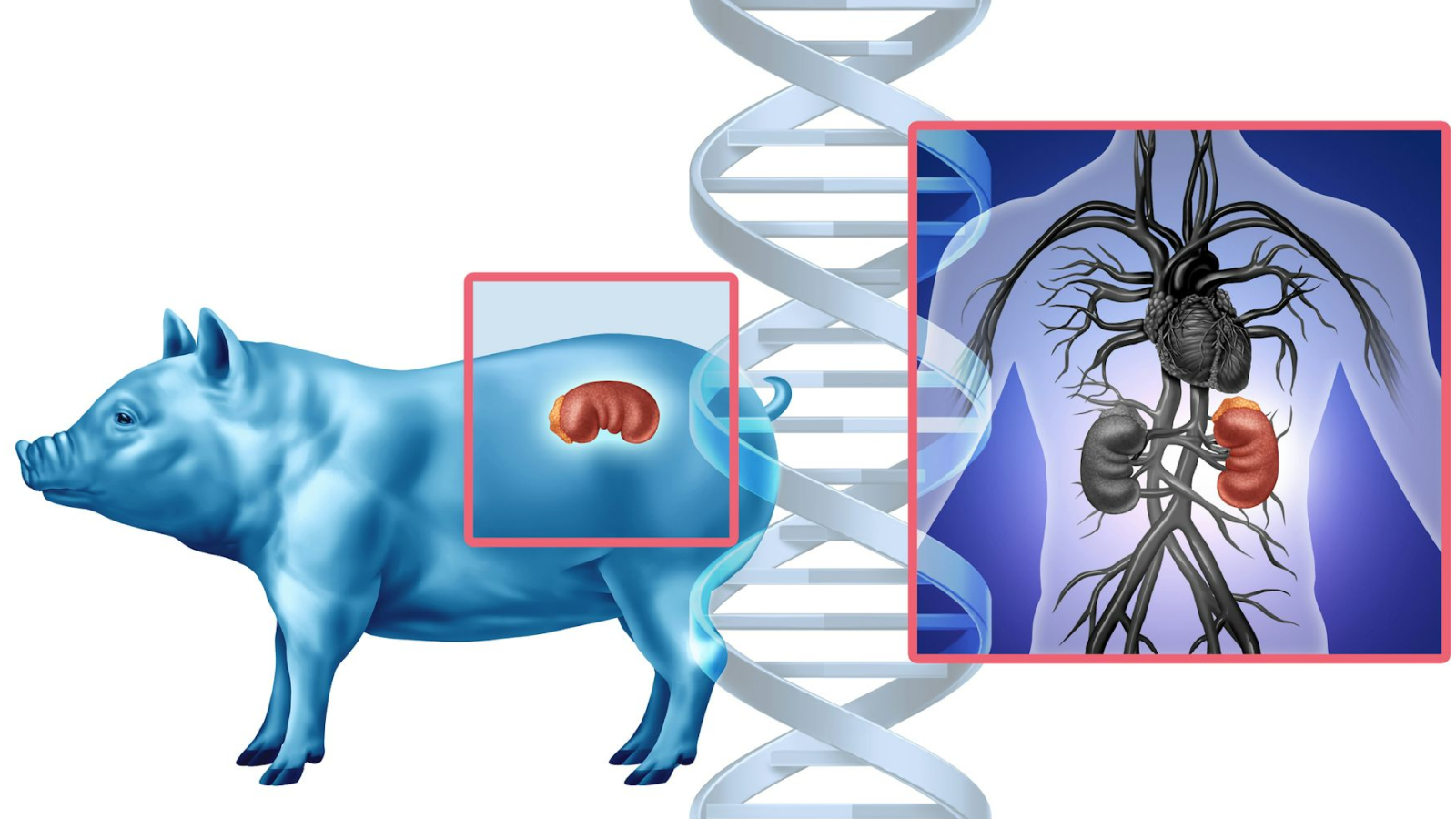
The Ethical Line in Human-Animal Research: Where Do We Draw It?
Research holds incredible promise for addressing critical health challenges, like the severe shortage of organs for transplant.However, even the most groundbreaking science must operate within a strong ethical framework. No research goal can justify violating the fundamental interests of human beings.
The recent debate surrounding research involving pigs with human cells highlights a crucial question: how much “human-ness” in an animal triggers human-level ethical considerations? It’s a complex issue with notable implications for the future of biomedical research.
Understanding the Current Regulations
Currently, regulations dictate that if an animal embryo – like a pig’s – incorporates enough human cells to be considered akin to a human, it should be afforded the same moral regard. But simply having human cells present doesn’t automatically make a pig a human. This distinction is vital.
consider this: pigs engineered to potentially provide organs for transplant already carry human genes. Yet,we don’t classify them as “half-human.” When a person donates a kidney, the recipient doesn’t suddenly become a member of the donor’s family. The same logic should apply to animals with human organs.
the NIH Ban adn Misconceptions About Moral Standing
The National Institutes of Health (NIH) previously had a ban on funding research that involved introducing human cells into animal embryos, based on concerns that it could blur the lines of species. While there are good reasons to object to using animals as “living organ factories” – notably regarding animal welfare – the core rationale behind the ban is flawed.
It rests on a misunderstanding of what truly grants beings, and humans specifically, moral standing. Moral standing isn’t persistent by the presence of human cells, but by a complex interplay of characteristics like sentience, consciousness, and self-awareness.
Key Considerations for Ethical Research
Here’s a breakdown of the critical points to consider:
* Species Integrity: The idea that mixing human and animal cells fundamentally violates the integrity of both species is a philosophical argument, not a scientific one.
* Moral Relevance of Cells: Individual cells don’t possess the characteristics that confer moral standing. it’s the integrated organism that matters.
* Potential for Suffering: animal welfare remains paramount. Research must prioritize minimizing any potential pain or distress to the animals involved.
* Focus on Function: The purpose of introducing human cells is frequently enough to grow organs for transplantation.The focus should be on the function of those organs, not on creating a hybrid creature.
Moving Forward Responsibly
You deserve access to life-saving treatments, and research involving human-animal chimeras holds immense potential. However, we must proceed with caution and clarity.
A nuanced ethical framework is essential. It should focus on:
* Rigorous scientific evaluation of the potential for human-like cognitive development in these animals.
* Transparent public discussion about the ethical implications of this research.
* Strong regulatory oversight to ensure animal welfare and prevent unintended consequences.
Ultimately, responsible innovation requires a commitment to both scientific progress and ethical principles.We can unlock the potential of this research while upholding our moral obligations to both humans and animals.
- Researchers Identify Maternal Genetic Variants Linked to Pregnancy Loss
- French Health Insurance: Dentists Warn of Potential 50% Cut in Dental Care Reimbursements
- Federal Judge Halts Large Logging Project in Montana Over US Forest Service Concerns (news-usa.today)
- Ancient Human Relative Homo antecessor Practiced Adult Cannibalism in Spain (world-today-news.com)