
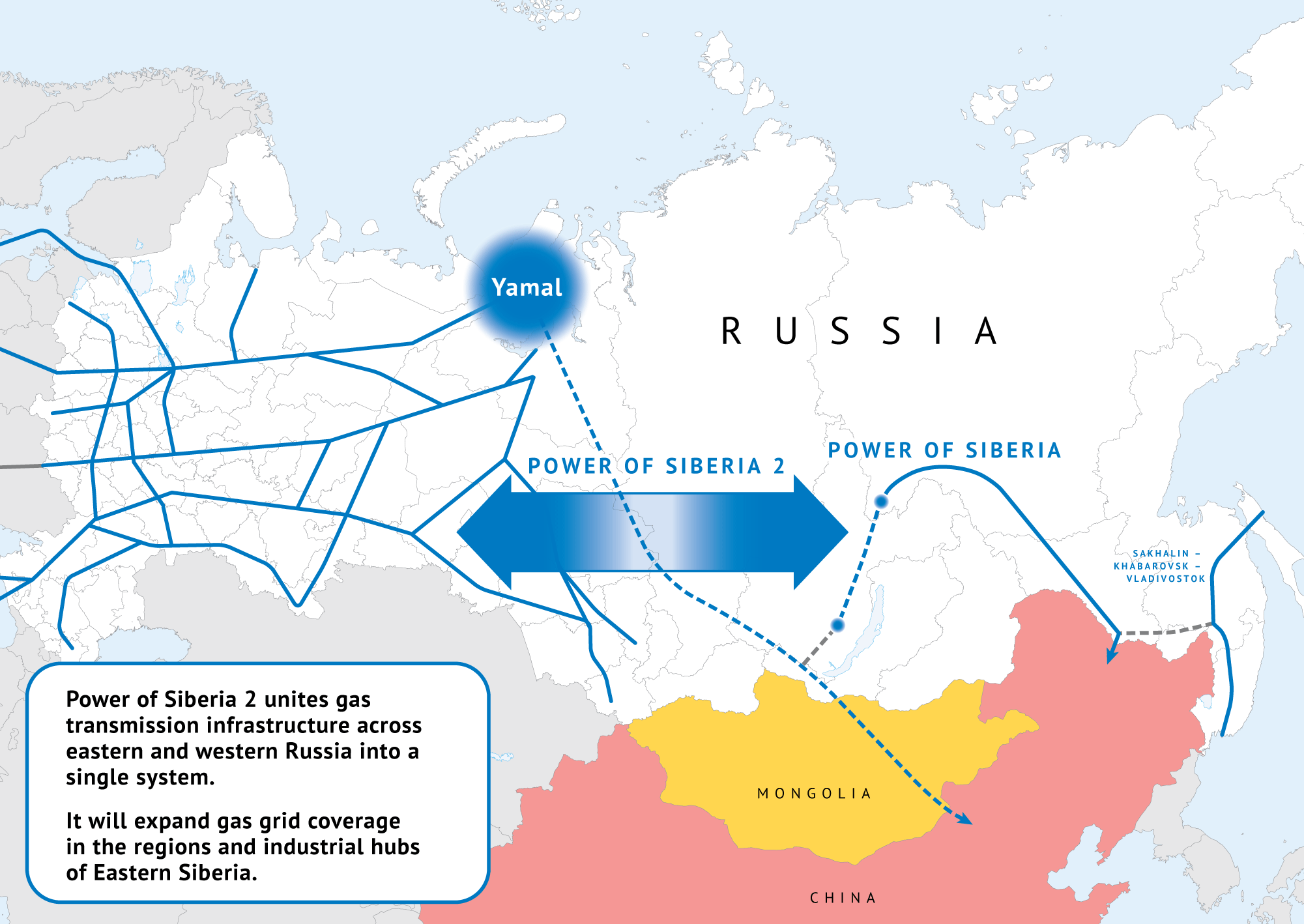
Russian President Vladimir Putin concluded a high-level state visit to Beijing in May 2024 without securing a final, binding agreement for the construction of the Power of Siberia 2 gas pipeline. The proposed infrastructure project, intended to transport 50 billion cubic meters of natural gas annually from Russia to China, remains in a state of extended negotiation as Beijing leverages its position as the primary buyer to dictate terms. According to reports from the Financial Times, Beijing has consistently pushed for prices near domestic Russian levels and has committed to purchasing only a small fraction of the pipeline’s total planned capacity.
The failure to finalize the deal during the diplomatic summit highlights a growing asymmetry in the Russia-China energy partnership. While Moscow seeks to pivot its energy exports eastward following the loss of European markets due to the invasion of Ukraine, China’s energy strategy remains focused on diversification and energy security. Analysts indicate that Beijing is in no hurry to finalize a project that would increase its reliance on a single supplier, despite the geopolitical alignment between the two nations.
The Strategic Standoff Over Power of Siberia 2
The Power of Siberia 2 project is designed to bridge the gap between Russia’s Yamal Peninsula gas fields and the Chinese market via Mongolia. For Moscow, the pipeline is a critical economic necessity to replace the revenue lost from the shuttered Nord Stream pipelines. However, the project’s financial viability depends entirely on Chinese demand and the agreed-upon price. As noted by the Carnegie Endowment for International Peace, the pipeline represents a “distant dream” rather than an imminent reality, given that China’s domestic energy consumption is shifting toward renewables and domestic production, reducing the urgency for new, long-term fossil fuel import commitments.
Beijing’s reluctance is rooted in both economic and strategic calculus. By withholding a signature, China effectively maintains its leverage to negotiate lower prices, knowing that Russia has few alternative outlets for its Siberian gas reserves. Furthermore, China is currently expanding its imports from Central Asia and increasing its Liquefied Natural Gas (LNG) procurement, providing it with a buffer against supply shocks that makes the massive capital expenditure of a new pipeline less attractive.
Energy Markets and the Impact on Gazprom
Gazprom, the Russian state-owned energy giant, has faced significant financial pressure since the onset of the conflict in Ukraine. The company reported its first annual loss in two decades for the year 2023, largely due to the collapse of its European export business and the high costs associated with redirecting infrastructure toward Asia. According to Bloomberg data, the company’s financial results underscore the difficulty of replacing a high-margin market like Europe with the lower-margin, high-infrastructure-cost markets in Asia.
The lack of a Power of Siberia 2 agreement means that Gazprom must continue to rely on domestic subsidies and state support to maintain its operations. Without the projected revenue from the new pipeline, the company’s ability to fund further exploration or infrastructure development remains constrained. This financial strain is compounded by the fact that the existing Power of Siberia pipeline, which began operations in 2019, generates significantly lower profit margins than the historical exports to the European Union.
Geopolitical Implications of the Energy Pivot
The stalled negotiations serve as a reminder that the “no limits” partnership between Moscow and Beijing, declared in February 2022, does not extend to unconditional economic support. While China continues to provide political cover for Russia on the international stage, its economic engagements remain strictly transactional. According to the Center for Strategic and International Studies (CSIS), Beijing’s cautious approach to energy infrastructure prevents Moscow from using gas as a geopolitical lever against China in the same way it previously did with European nations.
For the foreseeable future, the status of the pipeline remains a barometer for the health of the broader Russia-China economic relationship. Observers suggest that as long as Russia is isolated from Western capital markets and technology, Beijing holds the upper hand in all bilateral negotiations. Any future agreement will likely involve significant concessions from Moscow, potentially including deeper integration of Chinese companies into the Russian energy sector or further price discounts that could erode the project’s long-term profitability.
What Happens Next
There is no immediate timeline for a follow-up meeting specifically focused on the signing of the Power of Siberia 2 contract. Market analysts expect that negotiations will continue at the working level, but progress is unlikely until the global energy landscape changes or Russia offers more favorable terms to the Chinese state-owned energy conglomerate, CNPC. Any official updates regarding the project are expected to be released through the Kremlin’s press office or the Russian Ministry of Energy.
The next major checkpoint for bilateral energy cooperation will likely be the annual Eastern Economic Forum in Vladivostok, where energy sector representatives traditionally gather to discuss regional infrastructure. Readers interested in the ongoing financial impact on the Russian energy sector should monitor forthcoming quarterly reports from Gazprom, which will provide the most accurate data regarding the company’s capital expenditure and debt servicing capabilities.
We welcome your thoughts on this shifting geopolitical landscape. Please share your insights or questions in the comments section below.
Worth a look