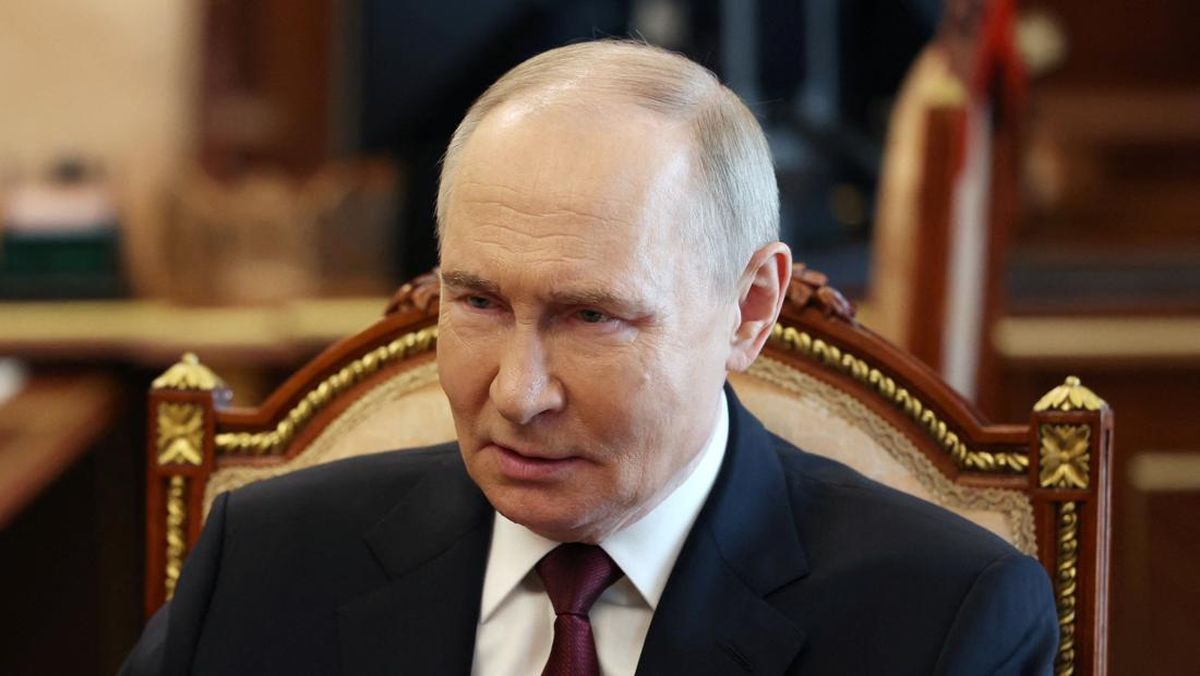
Sofia, Bulgaria – In a significant move signaling deepening ties between Moscow and Tehran, Russia has dispatched 13 tons of medical aid to Iran, delivered via Azerbaijan on Thursday, March 12, 2026. The humanitarian assistance, ordered directly by Russian President Vladimir Putin, comes as Iran continues to navigate the fallout from recent military engagements involving the United States and Israel. This aid delivery underscores a growing strategic alignment between the two nations, both facing increasing pressure from Western powers.
The shipment, comprised of essential medicines, was first transported to Azerbaijan before being transferred to Iranian authorities, according to a statement released by Russia’s Emergency Situations Ministry. This route through Azerbaijan provides a secure overland corridor, circumventing the increasingly volatile airspace and waterways in the region. The decision to utilize Azerbaijan as a transit point highlights the importance of regional partnerships in facilitating humanitarian efforts amidst escalating geopolitical tensions. The aid is intended to support Iran’s healthcare system as it responds to the consequences of recent military actions, which have reportedly resulted in significant casualties.
Escalating Tensions and the Necessitate for Humanitarian Assistance
The delivery of Russian aid to Iran occurs against a backdrop of heightened regional instability. Recent weeks have witnessed a surge in military activity, with the United States and Israel conducting strikes within Iranian territory. These actions, beginning on February 28th, have reportedly targeted key Iranian military and political figures, including, according to reports, Ayatollah Ali Khamenei, Iran’s Supreme Leader, as well as Minister of Defense Amir Hatami and IRGC Commander Mohammed Pakpour. While these reports have not been independently confirmed by all sources, they indicate a significant escalation in the conflict.
In response to these strikes, Iran launched retaliatory attacks, utilizing both missiles and drones targeting Israel and countries in the Persian Gulf region hosting U.S. Military assets. This cycle of escalation has raised concerns about a wider regional conflict and the potential for further destabilization. The humanitarian situation within Iran has deteriorated creating an urgent need for medical supplies and assistance. The Russian aid package is a direct response to this growing crisis, demonstrating Moscow’s commitment to supporting Tehran during this challenging period.
Putin’s Diplomatic Efforts and US-Russia Dialogue
Beyond the provision of medical aid, Russia has too been actively engaged in diplomatic efforts to de-escalate the situation. On Monday, March 9, President Putin held a telephone conversation with U.S. President Donald Trump to discuss potential pathways to resolving the conflict in Iran and Ukraine. According to Yuri Ushakov, an aide to President Putin, the discussion involved a “substantive and undoubtedly beneficial” exchange of ideas regarding a political and diplomatic resolution to the Iranian crisis. Putin reportedly suggested continued dialogue with leaders in the Gulf region, Iranian President Masoud Pezeshkian and other key stakeholders.
While details of the conversation remain limited, Ushakov indicated that Putin presented specific proposals aimed at achieving a swift cessation of hostilities. President Trump, in turn, reportedly shared his assessment of the ongoing U.S. And Israeli operations. This dialogue, though occurring amidst significant geopolitical tensions, represents a crucial channel for communication between Washington and Moscow, potentially offering a framework for future negotiations. The fact that such a conversation took place at all underscores the gravity of the situation and the shared interest in preventing further escalation.
Strategic Partnership Deepens
The deepening relationship between Russia and Iran is not a new phenomenon. The two countries have drawn closer together since Russia’s invasion of Ukraine, finding common ground in their opposition to Western policies and their shared desire for a multipolar world order. Russia has consistently provided diplomatic support to Iran at the United Nations and other international forums. The current provision of direct material assistance represents a significant escalation of this partnership, signaling Moscow’s willingness to offer concrete aid to Tehran in times of crisis.
This strategic alignment is further underscored by the logistical complexities of delivering aid through Azerbaijan. Azerbaijan’s role as a transit country highlights the importance of regional cooperation in navigating the geopolitical landscape. The choice of this route also suggests a level of coordination between Moscow and Baku, reflecting a broader effort to strengthen ties with countries in the region. The deepening partnership between Russia and Iran is likely to have significant implications for the balance of power in the Middle East and beyond.
International Response and Future Outlook
The international community is closely monitoring the situation in the Middle East, with calls for restraint and a return to diplomatic negotiations growing louder. The delivery of Russian aid to Iran is likely to be viewed differently by various actors, with some welcoming it as a humanitarian gesture and others viewing it as a sign of Moscow’s increasing influence in the region. The United States and its allies have consistently expressed concerns about Iran’s regional activities and its nuclear program, while Russia has maintained a more neutral stance, emphasizing the need for dialogue and a peaceful resolution to the conflict.
Looking ahead, the situation remains highly volatile. The potential for further escalation remains significant, and the humanitarian consequences of continued conflict could be devastating. The success of diplomatic efforts to de-escalate the situation will depend on the willingness of all parties to engage in constructive dialogue and to compromise on their respective positions. The ongoing provision of humanitarian assistance, such as the aid package delivered by Russia, will be crucial in mitigating the suffering of those affected by the conflict. The next steps in this evolving crisis will likely involve continued diplomatic engagement, coupled with efforts to address the underlying causes of regional instability.
As the situation continues to unfold, the world watches closely, hoping for a peaceful resolution and a return to stability in the region. The delivery of Russian aid to Iran represents a significant development in this complex geopolitical landscape, highlighting the growing strategic alignment between Moscow and Tehran and the urgent need for humanitarian assistance.
World Today Journal will continue to monitor this developing story and provide updates as they become available. We encourage readers to share their thoughts and perspectives in the comments section below.
Keep reading