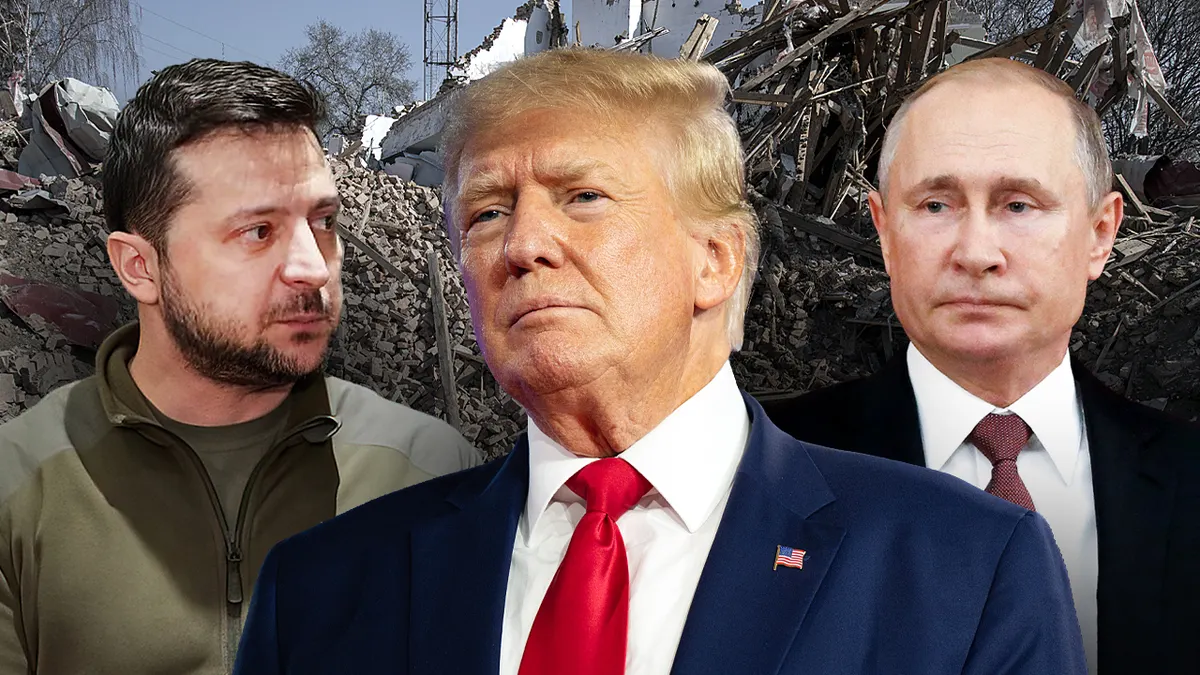
Russian President Vladimir Putin recently visited military command sites near the front lines in Ukraine, where he vowed to continue territorial acquisitions and dismissed Ukrainian military gains as “imaginary.” Putin characterized the Ukrainian leadership as “play actors,” signaling a refusal to negotiate based on current battlefield positions, according to official Kremlin reports.
The visit comes as Russian forces intensify their offensive in the Donbas region, specifically targeting the logistics hub of Pokrovsk. While Ukraine has maintained a surprise incursion into Russia’s Kursk region, Putin’s rhetoric suggests the Kremlin views these gains as strategically insignificant compared to the goal of full control over the Donetsk and Luhansk oblasts.
Military analysts report that the Russian leadership is prioritizing the seizure of the remaining parts of the Donbas to solidify a victory narrative before any potential diplomatic shifts in Western capitals. The Russian Ministry of Defense has consistently reported daily advances, though independent monitors often describe these gains as incremental and costly in terms of personnel.
Why did Putin visit the battlefield and what does it signal?
Vladimir Putin’s appearance at frontline command posts serves as a domestic signal of stability and a message to the Russian military that the “special military operation” remains the state’s primary priority. By appearing in military settings, Putin reinforces his role as commander-in-chief during a period of high attrition. According to reports from Reuters, such visits are typically timed to boost morale among troops and demonstrate a hands-on approach to the conflict’s progression.

The timing of the visit coincides with a critical phase of the Russian offensive. The Kremlin is currently pushing to capture Pokrovsk, a city that serves as a vital rail and road junction for Ukrainian forces in the east. If Pokrovsk falls, the Ukrainian military’s ability to resupply its troops in the Donbas would be severely compromised. Russian state media, including TASS, have framed these efforts as a necessary step toward the “liberation” of the region.
Furthermore, the visit aims to project confidence in the face of Ukraine’s unconventional tactics. The Ukrainian Armed Forces’ move into the Kursk region of Russia represented the first major foreign incursion into Russian territory since World War II. Putin’s dismissal of these achievements as “imaginary” is a calculated attempt to minimize the psychological impact of the breach of Russian borders on the domestic population.
How does the “imaginary achievements” claim contrast with ground reality?
The Russian president’s claim that Ukrainian successes are “imaginary” directly contrasts with reports from the ground in the Kursk region. According to the Associated Press, Ukrainian forces have seized several dozen square miles of Russian territory and captured numerous border villages, forcing Russia to redeploy reserves from other sectors of the front.

However, Russian military strategists argue that the Kursk incursion is a “diversionary tactic” rather than a sustainable strategic victory. From the Kremlin’s perspective, the Ukrainian military is wasting precious resources on a territory they cannot realistically hold in the long term, while allowing Russia to make steady, if slow, progress in the Donbas. This contrast creates two competing narratives: Ukraine portrays the Kursk operation as a way to force Russia to the negotiating table from a position of weakness, while Putin portrays it as a desperate act by “play actors.”
The “play actor” comment specifically targets President Volodymyr Zelenskyy, referencing his former career in comedy. This framing is a recurring theme in Russian state propaganda, designed to delegitimize the Ukrainian government by suggesting its leaders are puppets of Western powers rather than sovereign decision-makers. By reducing the conflict to a performance, Putin attempts to strip the Ukrainian resistance of its political legitimacy.
What are the strategic targets of the current Russian offensive?
The current Russian strategy focuses on a “grinding” offensive intended to exhaust Ukrainian manpower and munitions. The primary objective is the complete capture of the Donetsk region. Russian forces are currently concentrating their efforts on a few key urban centers that act as anchors for the Ukrainian defense line.

Pokrovsk is the most critical of these targets. As a major logistics hub, its capture would allow Russia to pivot its forces toward the administrative center of Donetsk and potentially threaten other cities like Sloviansk and Kramatorsk. According to data from the Institute for the Study of War, Russian forces have made tactical gains in the outskirts of Pokrovsk, although the city remains heavily defended.
In addition to territorial gains, Russia is employing a strategy of “fire superiority.” This involves the heavy use of glide bombs and artillery to flatten Ukrainian defensive positions before infantry advances. This tactic minimizes Russian casualties compared to the early stages of the invasion but results in the total destruction of urban infrastructure. This approach aligns with Putin’s vow to “take more,” suggesting that the Kremlin is prepared for a war of attrition that lasts years rather than months.
Who is affected by the escalation in the Donbas?
The civilian population in eastern Ukraine bears the brunt of this intensified offensive. Thousands of residents in the Pokrovsk and Kurakhove districts have been forced to evacuate as the frontline draws closer. Humanitarian organizations report that the destruction of power grids and water treatment plants has left remaining civilians in precarious conditions.
For the Russian military, the “vow to take more” translates to continued high-intensity combat. While Putin’s visits are meant to inspire, the reality for the rank-and-file soldier involves “meat grinder” assaults. Independent casualty trackers indicate that Russian losses remain high, though the Kremlin has avoided releasing official death tolls since the start of the conflict.
Internationally, the escalation puts pressure on NATO allies to increase the volume and sophistication of their military aid. The debate over allowing Ukraine to use long-range Western missiles to strike targets deep inside Russian territory has intensified. Putin’s refusal to acknowledge Ukrainian gains as real suggests that he believes Western patience is wearing thin and that the U.S. and EU will eventually scale back their support.
What happens next in the conflict?
The immediate future of the conflict depends on whether Ukraine can maintain its presence in the Kursk region while simultaneously preventing a collapse of the front in the Donbas. If Russia captures Pokrovsk, it will mark one of the most significant tactical victories for the Kremlin since the fall of Bakhmut in May 2023.

Diplomatically, the situation remains deadlocked. Putin’s rhetoric indicates that any peace treaty must begin with the recognition of Russia’s annexed territories—including regions of Ukraine that Russia does not even fully control. This remains a non-starter for the Ukrainian government and its Western backers.
Observers are watching for the next set of military mobilizations. If the Russian offensive stalls despite the increased pressure, the Kremlin may be forced to announce a new wave of conscription to sustain the momentum Putin promised during his battlefield visit.
The next confirmed checkpoint for international observers will be the upcoming summits of G7 and NATO leaders, where the level of long-term security guarantees for Ukraine and the ceiling for military aid will be discussed. These meetings will determine if the “imaginary achievements” Putin dismisses will be reinforced with more advanced weaponry or if the conflict will shift further toward a war of attrition.
We invite our readers to share their perspectives on these developments in the comments section below and share this report with others following the global geopolitical landscape.