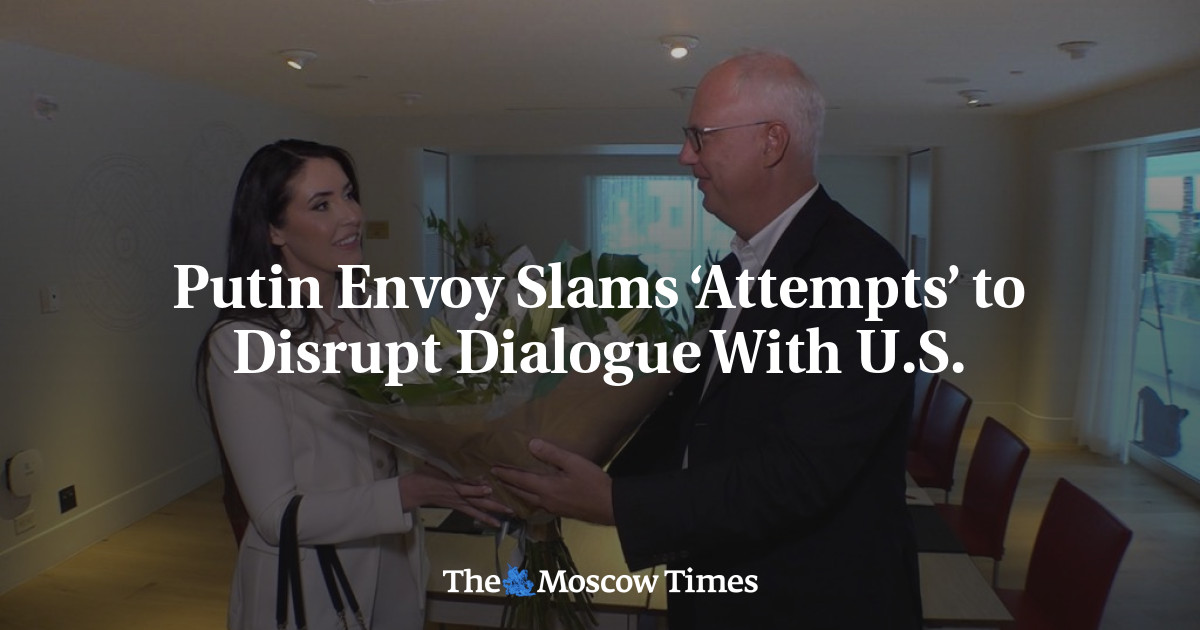
Navigating US-Russia Relations: dialog Amidst Discord in the Ukraine Conflict
The landscape of international relations is rarely simple, and the current dynamic between the United States and Russia is a prime example. Despite escalating tensions surrounding the Ukraine war and recent sanctions imposed on Moscow’s oil companies, channels for dialogue remain open – albeit fragile. This article delves into the complexities of this relationship, examining recent developments, the motivations behind continued talks, and what the future might hold. Understanding these interactions is crucial, especially considering the potential global ramifications of a complete breakdown in interaction.Recent data from the Council on Foreign Relations (November 2023) highlights a concerning decline in diplomatic engagement between the two nations, making current efforts all the more critically important.
The Persistence of Talks: Why Dialogue Matters
In late october 2023, Kirill Dmitriev, Russia’s top economic negotiator, undertook a visit to the United States for discussions with American officials. This occurred against a backdrop of increasing frustration from US President Donald Trump regarding Vladimir Putin’s stance on the Ukraine conflict – a war nearing its fourth year. Trump had previously cancelled a planned meeting with Putin in Budapest, citing concerns about its potential futility.
However, Dmitriev emphasized Moscow’s ”commitment to constructive dialogue and to clearly communicating Russia’s position.” He publicly accused external forces of actively attempting to disrupt these conversations and disseminate misinformation, a claim echoed by some analysts who point to purposeful efforts to polarize the situation.
Did You Know? Kirill Dmitriev, the Russian envoy leading these talks, boasts a background in finance, having previously worked at Goldman Sachs and holding a degree from Stanford University. This blend of economic expertise and international education positions him as a key figure in navigating these complex negotiations.
The meetings weren’t limited to executive branch officials. Dmitriev also engaged with members of Congress, specifically Republican Congresswoman Anna Paulina Luna, who is spearheading an initiative to foster parliamentary dialogue between the US and Russian legislatures. A meeting between US Congress members and the russian Duma is reportedly planned “in the near future.”
But why pursue dialogue when basic disagreements remain? Several factors are at play. Maintaining open lines of communication, even during periods of intense disagreement, is vital for preventing miscalculation and escalation. Furthermore, complex issues like arms control, cybersecurity, and regional stability require ongoing discussion, regardless of political tensions. The concept of strategic stability – a mutual understanding of red lines and a commitment to avoiding actions that could lead to unintended consequences – is paramount.
pro Tip: When analyzing international relations, always consider the perspectives of all parties involved. Understanding the motivations, constraints, and historical context of each actor is crucial for forming a nuanced and informed opinion.
Ukraine: The Central Point of contention
Despite these diplomatic efforts, the situation in Ukraine remains a significant obstacle. Russia continues to reject calls for a ceasefire, and recent attacks, such as the one on Kyiv in late October 2023, underscore the ongoing violence and human cost of the conflict. This raises a critical question: Can meaningful dialogue truly progress while active hostilities continue?
The US has consistently provided military and financial aid to Ukraine, while also imposing sanctions on Russia in an attempt to pressure Moscow to de-escalate. Though, the effectiveness of these sanctions is a subject of debate. Recent reports from the Atlantic Council (December 2023) suggest that while sanctions have impacted the Russian economy, they haven’t yet achieved the desired outcome of altering Russia’s behavior in Ukraine.
This leads to another critically important consideration: the role of third-party actors. Countries like China,Turkey,and the United Arab Emirates have attempted to mediate between Russia and Ukraine,with varying degrees of success. Do you think a neutral mediator could play a more effective role in facilitating a ceasefire?
beyond Ukraine: Broader Implications & Related Topics
The US-Russia relationship extends far beyond the conflict in Ukraine.Issues such as nuclear proliferation, cybersecurity threats, and competition in the Arctic region all demand attention. The New START treaty, a key agreement limiting strategic nuclear weapons, is facing uncertainty as Russia has suspended its participation. This raises concerns about a potential arms race and the erosion of arms control mechanisms.
Furthermore, the rise of
Related reading