
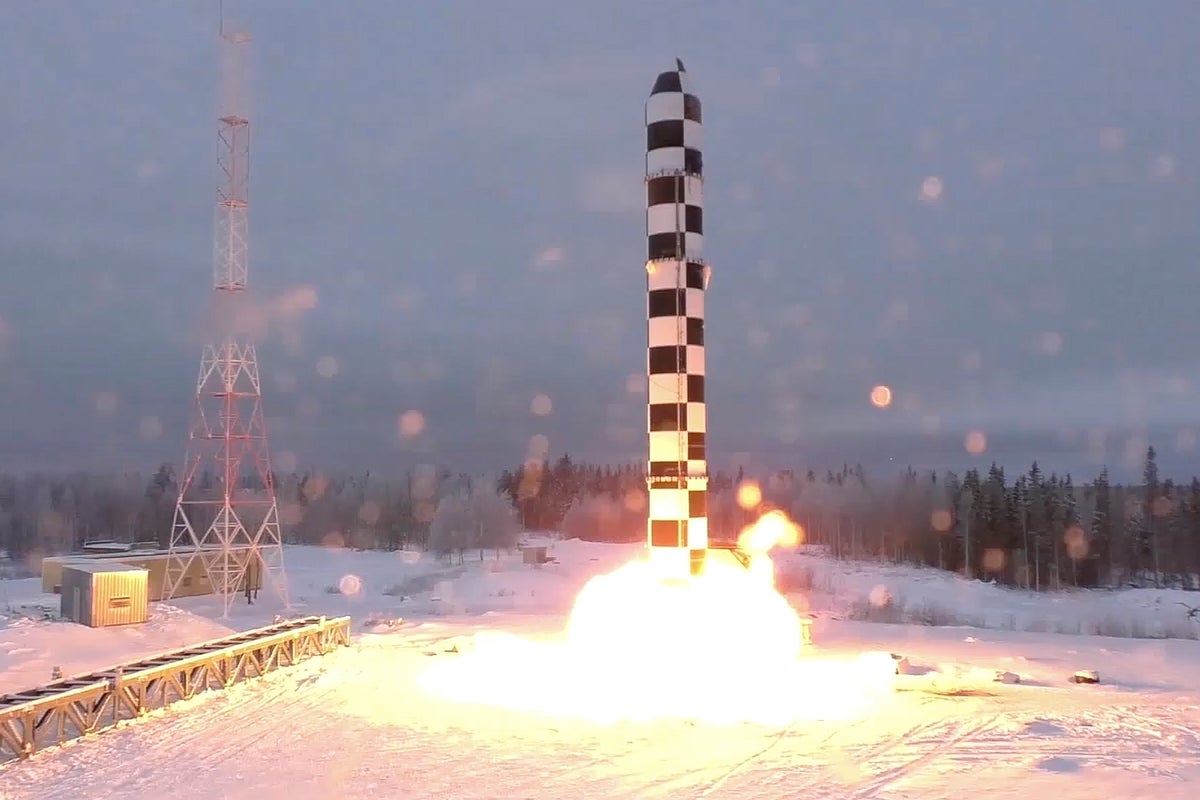
Russia’s ‘Burevestnik’ Nuclear Cruise Missile: A Deep Dive into Moscow’s New Strategic Threat
For decades, the specter of nuclear conflict has loomed large. Now, Russia is developing a weapon that could fundamentally alter the calculus of deterrence: the 9M730 Burevestnik, a nuclear-powered cruise missile. This isn’t simply an upgrade to existing technology; it represents a potentially game-changing approach to strategic weaponry. As a seasoned analyst of defense technologies,I’ll break down what you need to know about this concerning progress.
What is the Burevestnik?
Often dubbed the “Skyfall” missile by NATO, the Burevestnik is a long-range, nuclear-powered cruise missile. Unlike traditional missiles that rely on conventional fuel, the Burevestnik utilizes a miniature nuclear reactor to generate heat. This superheated air is then expelled, providing thrust and enabling potentially unlimited range.
Here’s a breakdown of key features:
* Intercontinental Range: A 2020 U.S. Air Force report highlights the Burevestnik’s “unique weapon with intercontinental-range capability.” This means it could theoretically strike targets anywhere in the world.
* Nuclear Propulsion: The core innovation is its small nuclear reactor. this allows for sustained flight, bypassing the limitations of conventional fuel.
* Low Observability: The design is intended to make it difficult for air-defense radar to detect. The exhaust plume, while potentially radioactive, is designed to blend with the atmosphere, reducing its radar signature.
* Solid-Fuel Boost: Initial launch is achieved via a small solid-fuel rocket, initiating the reactor and propelling the missile forward.
A Troubled Development History
The Burevestnik’s path to operational status has been fraught with challenges. Western experts report a consistent pattern of test failures. The most alarming incident occurred in 2019 at a Russian nuclear facility in the White Sea.
* The 2019 Incident: An explosion during a Burevestnik test resulted in the deaths of at least five Russian nuclear specialists and a release of radiation. U.S. intelligence sources strongly suspect this was linked to the missile program.
* Putin’s Claims: Despite the setbacks, President Putin has publicly asserted the weapon’s progress.He even awarded state honors to the families of those involved in the 2019 incident,stating the weapon they were developing was “without equal in the world.”
* Recent Tests: Putin announced a successful test in October 2023, though autonomous verification remains elusive.
deployment and Potential Location
Recent intelligence suggests Russia may be nearing deployment.Two U.S. researchers identified a probable deployment site near Vologda-20 (also known as chebsara), a nuclear warhead storage facility approximately 295 miles north of Moscow. This proximity to existing nuclear infrastructure is a notable indicator.
Why is the Burevestnik a Concern?
The Burevestnik presents several strategic challenges:
* Circumventing Defenses: Its potentially unlimited range and low radar signature could allow it to evade existing missile defense systems.
* Nuclear Proliferation Risks: The use of a nuclear reactor raises concerns about potential accidents and the spread of nuclear technology.
* Escalation Potential: The weapon’s unique capabilities could destabilize the existing nuclear balance and increase the risk of miscalculation.
* Radioactive Fallout: While designed to minimize it, the exhaust from the nuclear reactor could potentially cause localized radioactive contamination.
Recent Drills and Geopolitical Context
On Wednesday, Russia conducted large-scale drills involving its strategic nuclear forces. These exercises included launches of intercontinental ballistic missiles from land and sea, as well as long-range cruise missile launches from Tu-95 bombers.
This timing is particularly noteworthy,coinciding with the postponement of a planned summit between Putin and U.S. President Donald trump regarding the conflict in Ukraine. The drills serve as a clear signal of Russia’s military capabilities and resolve.
What Does This Mean for You?
The development of the Burevestnik is a serious matter with global implications. While the immediate threat to the public remains low, it underscores the need for continued vigilance and diplomatic efforts to manage the risks associated with advanced nuclear weapons. As you follow this story


