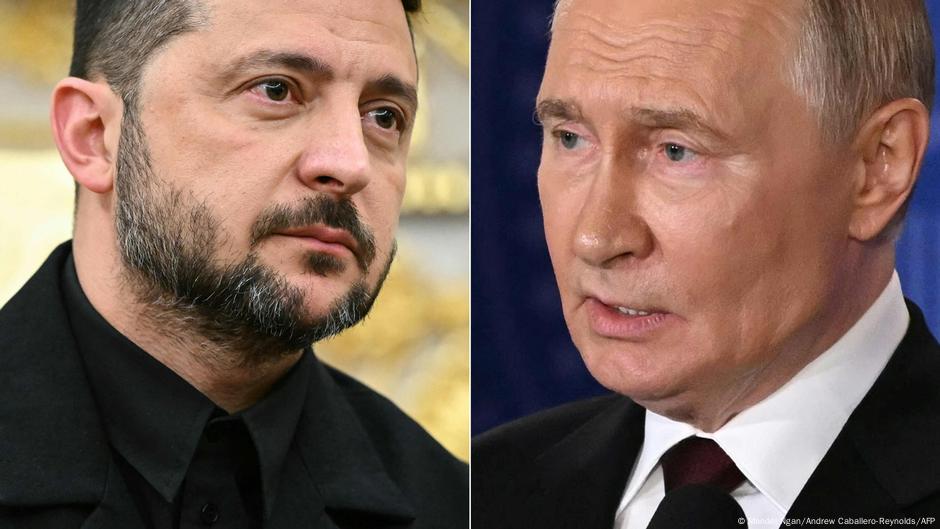
Russian President Vladimir Putin has formally rejected a proposal by Ukrainian President Volodymyr Zelenskyy for a direct, face-to-face negotiation. The rejection, delivered on Friday, June 5, 2026, marks a significant moment in the ongoing conflict, as both nations grapple with intensifying aerial campaigns and shifting battlefield dynamics.
The proposal for a high-level meeting had been presented in an open letter from the Ukrainian leader, calling for a one-on-one dialogue and the participation of European partners to facilitate a full ceasefire. However, speaking at the St. Petersburg International Economic Forum, President Putin dismissed the offer, stating that he saw “no point” in such a meeting. He further characterized the letter from the Ukrainian government as “boorish,” specifically citing a May 22 drone strike on a college dormitory in the Russian-controlled Luhansk region, which Moscow officials reported resulted in 21 deaths and numerous injuries.
Diplomatic Standoff and Strategic Positions
The rejection of peace talks underscores the profound diplomatic impasse between Kyiv and Moscow. While the Ukrainian government has sought to leverage its improved long-range strike capabilities to bring Russia to the negotiating table, the Kremlin has maintained a rigid stance. Presidential spokesperson Dmitry Peskov, when queried on the prospect of a meeting, indicated that the Russian position remains that any such discussion would need to take place in Moscow, a condition that has not been accepted by Ukrainian leadership.
This exchange reflects the wider strategic tensions of the war, which has seen a marked increase in aerial operations. Analysts suggest that the timing of the letter was intended to capitalize on the current state of the conflict, yet the immediate dismissal by the Kremlin suggests that there is currently no common ground for a diplomatic breakthrough.
The Context of the Conflict
Since the initiation of the full-scale invasion in 2022, direct communication between the two heads of state has been virtually non-existent. The recent exchange via open letter represents the first public attempt at direct messaging since the conflict began. The move was viewed by observers as a calculated effort by the Ukrainian administration to address not only the Russian leadership but also international stakeholders, including the United States and European nations, regarding the necessity of a ceasefire.
Moscow’s refusal to engage, framed through the rhetoric of the St. Petersburg International Economic Forum, signals a continued prioritization of military objectives over diplomatic engagement. The incident in the Luhansk region remains a focal point of Russian justification for rejecting the proposal, highlighting how specific battlefield events continue to dictate the possibilities—or lack thereof—for future negotiations.
What Comes Next
As of June 6, 2026, there are no scheduled meetings or diplomatic channels currently open to facilitate the discussions requested by the Ukrainian president. The Kremlin has not indicated any shift in its requirements for potential talks, and both nations continue to operate under a state of heightened military mobilization.
The global community continues to monitor the situation closely, particularly regarding the potential for humanitarian impacts as the aerial campaigns persist. For updates on the diplomatic situation, international observers typically look to official statements from the respective presidential administrations and updates provided by international regulatory bodies monitoring the conflict.
We welcome your thoughts on this developing story. Please feel free to share this report and join the discussion in the comments section below.
Keep reading