
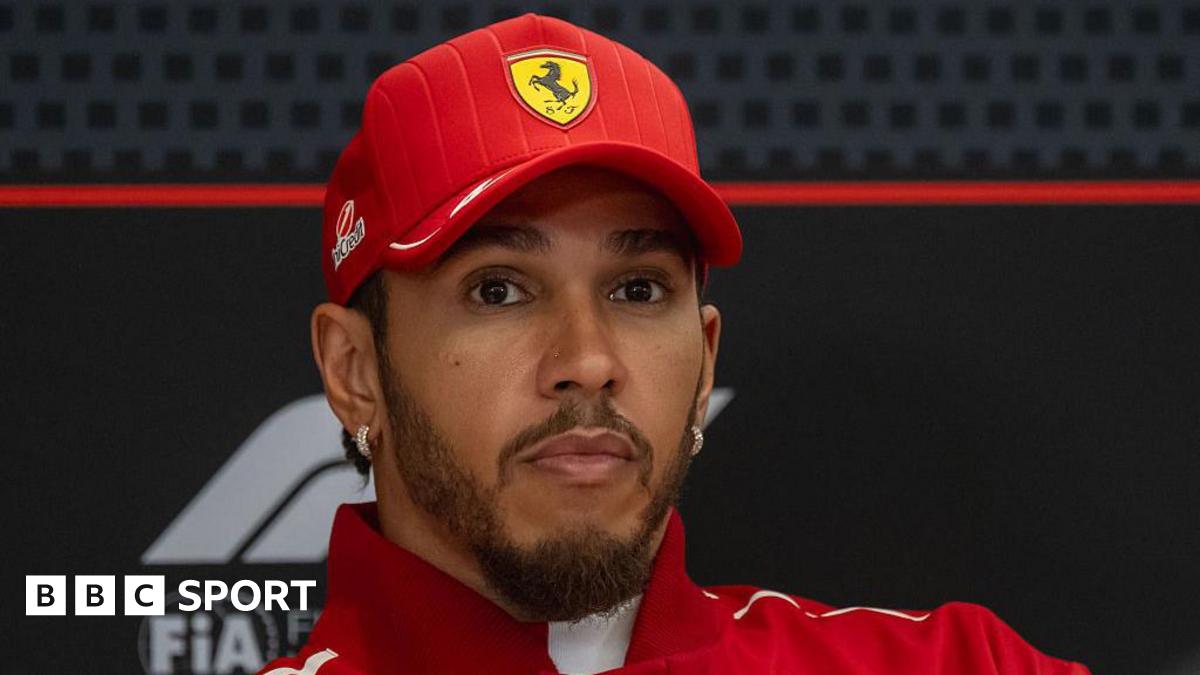
Lewis Hamilton‘s Ferrari Transition: Assessing Year One & Looking Ahead to 2025
Lewis Hamilton’s move to Ferrari in 2025 was arguably the biggest story in Formula 1 history. The seven-time World Champion traded decades of Mercedes dominance for the iconic red of Maranello, fueled by the ambition of securing a record-breaking eighth title. But his inaugural season with the Scuderia has been… challenging. This article dives deep into Hamilton’s first year at Ferrari, analyzing the struggles, the expectations, and what the future holds, particularly with the importent regulation changes on the horizon. We’ll explore the factors impacting his performance and whether this gamble will ultimately pay off.
The Reality Bites: A Difficult First Season
Hamilton openly admitted the transition wasn’t seamless. He anticipated a building process, but the current car hasn’t delivered the performance needed to consistently challenge for wins. The 40-year-old has faced a steep learning curve adapting to ferrari’s operational style and the nuances of their car. The 2024 season has been an anti-climax for many, including Hamilton, who joined Ferrari with high hopes.
But is he regretting the decision? “I don’t regret the decision I made joining the team,” Hamilton stated, emphasizing his commitment to the long-term project. This speaks volumes about his belief in Ferrari’s potential and his willingness to invest in its future.
Understanding the 2024 Challenges: Car Beliefs & driving Style
A key factor contributing to Hamilton’s struggles is the mismatch between the current car’s aerodynamic philosophy and his driving style. The 2024 regulations, which prioritize ground effect aerodynamics, haven’t suited his strengths. He excelled in previous eras with cars that offered more mechanical grip and a different balance.
This isn’t a criticism of the car itself, but a recognition that different drivers thrive in different environments. The current technical regulations,as highlighted by many analysts,haven’t allowed Hamilton to fully exploit his renowned precision and finesse. Are you surprised by the impact of these regulations on a driver of Hamilton’s caliber?
Moreover, Ferrari’s trackside operations have also come under scrutiny. Hamilton acknowledged the need for collective improvements, stating, “We’ll analyse the season and there’s lots of improvements we need to make collectively.” This transparency is a positive sign, indicating a willingness to address the issues head-on.
The 2025 Regulations: A Potential Turning Point
Hope arrives with the sweeping regulation changes slated for 2025. Formula 1 is introducing new chassis and engine rules,promising a significant shift in the competitive landscape. The engines will feature a greater emphasis on the hybrid component, increasing power output and efficiency.
More importantly, the cars will revert to an aerodynamic philosophy reminiscent of the era (2007-2021) where Hamilton achieved the majority of his success. This shift is expected to favor drivers who excel in mechanical grip and precise car control – precisely Hamilton’s strengths.
According to recent reports from Autosport (November 2024), simulations suggest the 2025 cars will be more predictable and less sensitive to turbulent air, potentially leveling the playing field. This could be the catalyst hamilton needs to unlock his full potential at Ferrari.
What Needs to Happen Over the Winter?
Hamilton is right to emphasize the need for improvements beyond the car itself. ferrari must focus on:
* **Optimizing


![Fantasy Football Start/Sit: Week [Current Week] Lineup Advice & Projections](https://i0.wp.com/sportshub.cbsistatic.com/i/r/2025/12/23/f2b0678f-7dfd-406d-bdd8-199d6dc1727e/thumbnail/1200x675/c91f2d3cf12ccd9c21ede46f099f75f9/arsb-imagn.jpg?resize=330%2C220&ssl=1 "Fantasy Football Start/Sit: Week [Current Week] Lineup Advice & Projections")


![Fantasy Football Start/Sit: Week [Current Week] Lineup Advice & Projections](https://i0.wp.com/sportshub.cbsistatic.com/i/r/2025/12/23/f2b0678f-7dfd-406d-bdd8-199d6dc1727e/thumbnail/1200x675/c91f2d3cf12ccd9c21ede46f099f75f9/arsb-imagn.jpg?resize=150%2C100&ssl=1 "Fantasy Football Start/Sit: Week [Current Week] Lineup Advice & Projections")

