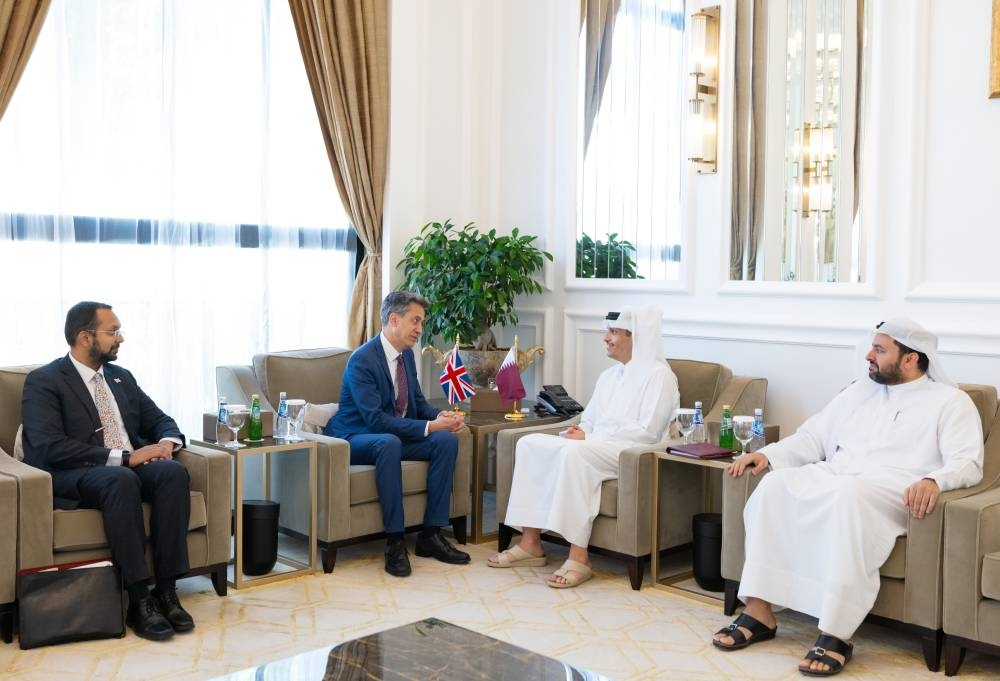
Qatar Prime Minister Sheikh Mohammed bin Abdulrahman Al Thani met with UK Foreign Secretary David Cameron to discuss regional stability, the ongoing conflict in Gaza, and the strategic partnership between Doha and London. The meeting focused on coordinating diplomatic efforts to secure a ceasefire in Gaza and addressing the humanitarian crisis in the region, according to official government statements.
The discussions centered on Qatar’s role as a primary mediator between Israel and Hamas. The UK government has consistently supported Qatar’s mediation efforts, citing the need for a sustainable ceasefire and the release of hostages. This diplomatic alignment is part of a broader effort to prevent the escalation of conflict into a wider regional war involving other Middle Eastern actors.
According to the UK Foreign, Commonwealth & Development Office, the bilateral relationship between the UK and Qatar remains strong, particularly in areas of security, trade, and energy. The two nations continue to collaborate on intelligence sharing and counter-terrorism initiatives to maintain global security standards.
Diplomatic Coordination on the Gaza Conflict
The primary objective of the meeting was the synchronization of diplomatic pressure to end the hostilities in Gaza. Sheikh Mohammed bin Abdulrahman Al Thani highlighted the urgency of providing unrestricted humanitarian aid to Palestinian civilians. The UK Foreign Secretary emphasized that a political horizon for a two-state solution is the only viable path toward long-term peace, as stated in official UK diplomatic briefings.
Qatar has utilized its unique position—maintaining channels of communication with both Western allies and regional militant groups—to facilitate hostage negotiations. David Cameron acknowledged the critical nature of this mediation, noting that Qatar’s involvement is essential for the operational success of ceasefire proposals currently under review by international stakeholders.
Both leaders discussed the risks of instability in the Red Sea and the impact of Houthi attacks on global shipping lanes. The UK continues to lead maritime security operations in the region, while Qatar seeks to leverage its diplomatic ties to reduce tensions that threaten international trade routes.
Strategic Energy and Economic Ties
Beyond the immediate crisis in Gaza, the meeting addressed the long-term energy security of the United Kingdom. Qatar remains one of the world’s largest exporters of liquefied natural gas (LNG), and the UK relies on these imports to diversify its energy mix and reduce dependence on Russian gas following the 2022 invasion of Ukraine.
The two officials reviewed the progress of joint investment projects. Qatar’s sovereign wealth fund continues to hold significant assets in UK infrastructure and real estate, which serves as a cornerstone of the economic relationship between the two nations. The discussions aimed to ensure that these economic ties remain resilient despite the volatile geopolitical climate in the Middle East.
Trade cooperation was also a key pillar of the dialogue. Both parties expressed a commitment to expanding non-energy trade, focusing on technology, education, and sustainable development goals. This diversification strategy is intended to move the relationship beyond a purely transactional energy-based partnership.
Regional Security and Counter-Terrorism
The meeting included a review of joint counter-terrorism efforts. The UK and Qatar operate under a framework of security cooperation that involves the exchange of intelligence to track the financing of extremist organizations. This cooperation is viewed as vital for preventing the spread of instability across North Africa and the Levant.

According to reports from the Qatar News Agency, the Prime Minister reaffirmed Qatar’s commitment to working with international partners to combat terrorism while ensuring that diplomatic channels remain open to resolve conflicts through negotiation rather than military intervention.

The discussion also touched upon the stability of neighboring states. The UK’s interest in maintaining a stable Persian Gulf region aligns with Qatar’s goal of preventing external interference in regional affairs. Both leaders agreed that a multilateral approach to security is the most effective way to deter aggression and promote regional integration.
The next scheduled diplomatic checkpoint involves the upcoming review of the Gaza ceasefire proposal, where Qatari mediators will present updated terms to both the UK and US governments. Readers can follow official updates via the UK Foreign Office and the Qatari Ministry of Foreign Affairs.
Share your thoughts on the role of mediation in the Gaza conflict in the comments below.
Keep reading