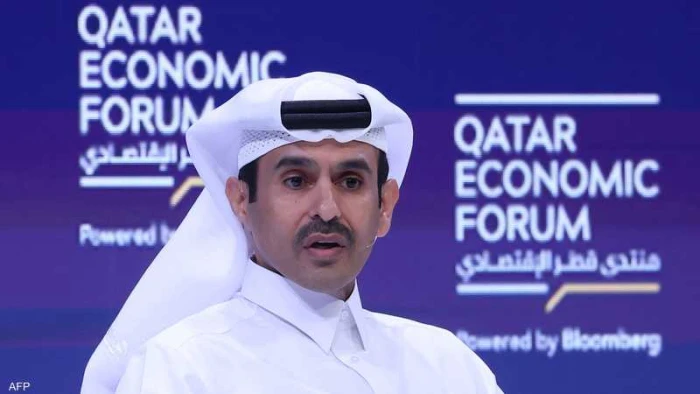
Escalating Middle East Tensions Threaten Global Economy, Qatar Warns
London, United Kingdom – Rising instability in the Middle East is raising serious concerns about a potential disruption to global energy supplies and a significant impact on the world economy. Qatar’s Minister of State for Energy Affairs, Saad al-Kaabi, has warned that continued conflict could lead to a complete halt in energy exports from Gulf nations, potentially driving oil prices to $150 a barrel. The warnings come amid heightened anxieties over the safety of crucial shipping lanes and production facilities in the region, and follow a recent attack on Qatari energy infrastructure.
The potential for widespread economic fallout stems from the region’s critical role in global energy markets. The Persian Gulf is a major hub for oil and gas production and transportation, and any significant disruption could have cascading effects on industries worldwide. Al-Kaabi’s statements, initially reported by the Financial Times, highlight the fragility of the current situation and the potential for rapid escalation. The situation is particularly concerning given existing geopolitical tensions and the ongoing conflict in the region.
The warnings from Doha are not isolated. Concerns about the security of energy supplies have been growing for months, fueled by attacks on commercial vessels in the Red Sea and increased military activity in the area. The possibility of a wider conflict involving Iran has further exacerbated these anxieties, prompting international efforts to de-escalate tensions and secure vital trade routes. The impact of such a disruption would be felt acutely by countries heavily reliant on Middle Eastern energy imports, including major economies in Asia, Europe, and North America.
Qatar Details Potential Production Halt and Recovery Timeline
According to reports, Qatar is bracing for a potentially prolonged disruption to its liquefied natural gas (LNG) exports following a recent drone attack targeting one of the country’s largest LNG production facilities. Al-Kaabi indicated that even if the conflict were to cease immediately, it could take weeks or even months for Qatar to restore its LNG deliveries to normal levels. This is due to the damage sustained in the attack and the time required to repair infrastructure and resume full production capacity.
The attack, reportedly carried out by an Iranian drone, underscores the vulnerability of energy infrastructure in the region to asymmetric warfare. Qatar is a major player in the global LNG market, and any sustained disruption to its exports would likely lead to higher prices and increased competition for alternative sources of supply. The country has invested heavily in expanding its LNG production capacity in recent years, but the recent attack highlights the risks associated with concentrating energy infrastructure in a politically volatile region.
Global Economic “Collapse” a Potential Outcome, Minister Warns
Al-Kaabi’s stark warning extended beyond LNG, suggesting that a prolonged conflict could trigger a broader economic downturn. He stated that a sustained disruption to energy supplies could “bring down the world economy,” leading to a decline in global GDP growth, rising energy prices, and shortages of essential goods. This, in turn, could disrupt industrial supply chains and trigger a cascading series of economic consequences.
The potential for a global recession is a significant concern for policymakers worldwide. The global economy is already facing numerous headwinds, including high inflation, rising interest rates, and geopolitical uncertainty. A major disruption to energy supplies could be the catalyst that pushes the global economy into a recession, with potentially devastating consequences for businesses and consumers alike. The International Monetary Fund (IMF) and the World Bank have both warned of the risks to global growth posed by the conflict in the Middle East, and are closely monitoring the situation.
Oil Prices Could Soar to $150 Amidst Shipping Disruptions
A key factor driving the potential for higher oil prices is the risk of disruption to shipping through the Strait of Hormuz, a narrow waterway through which approximately 20% of the world’s oil and gas trade passes. If the Strait were to be closed or significantly restricted, it would severely limit the ability of oil producers in the Gulf to export their crude oil to global markets. Al-Kaabi predicted that oil prices could jump to $150 per barrel within two to three weeks if tanker traffic through the Strait of Hormuz were to be halted.
The Strait of Hormuz has been a flashpoint for geopolitical tensions for decades, and has been the target of threats from Iran in the past. The United States Navy maintains a significant presence in the region to ensure the free flow of commerce through the Strait, but the risk of disruption remains high. Any escalation of the conflict could lead to direct confrontation between Iran and the United States, with potentially catastrophic consequences for the global economy. The U.S. Energy Information Administration (EIA) provides regular updates on the status of the Strait of Hormuz and its importance to global energy security. Learn more about the Strait of Hormuz from the EIA.
Gas Prices Similarly Expected to Surge
Beyond oil, natural gas prices are also expected to rise sharply if the conflict in the Middle East escalates. Al-Kaabi predicted that gas prices could reach $40 per million British thermal units (MMBtu), equivalent to approximately €117 per megawatt-hour, roughly four times their pre-conflict levels. This surge would significantly increase energy costs for consumers and businesses, particularly in Europe, which relies heavily on imported gas.
Europe has been particularly vulnerable to energy price shocks in recent years, following Russia’s invasion of Ukraine and the subsequent reduction in Russian gas supplies. The continent has been scrambling to diversify its energy sources and reduce its reliance on Russian gas, but this process is proving to be challenging and expensive. A further disruption to gas supplies from the Middle East could exacerbate Europe’s energy crisis and lead to rationing or other emergency measures.
Key Takeaways
- Qatar’s Energy Minister warns of potential global economic collapse due to Middle East conflict.
- Oil prices could reach $150 per barrel if shipping through the Strait of Hormuz is disrupted.
- LNG exports from Qatar could be significantly delayed, even if conflict ends quickly.
- Global gas prices are predicted to surge to $40/MMBtu.
- The conflict highlights the vulnerability of global energy infrastructure to geopolitical risks.
The situation remains highly fluid and unpredictable. International efforts to de-escalate tensions and secure energy supplies are ongoing, but the risk of further escalation remains significant. The coming weeks will be critical in determining whether the conflict can be contained or whether it will spiral into a wider regional war with potentially devastating consequences for the global economy. The market will be closely watching for any further developments and assessing the potential impact on energy prices and economic growth.
Next Steps: The United Nations Security Council is scheduled to meet next week to discuss the situation in the Middle East. Further updates and analysis will be provided as the situation evolves. Share your thoughts and analysis in the comments below.
Related reading