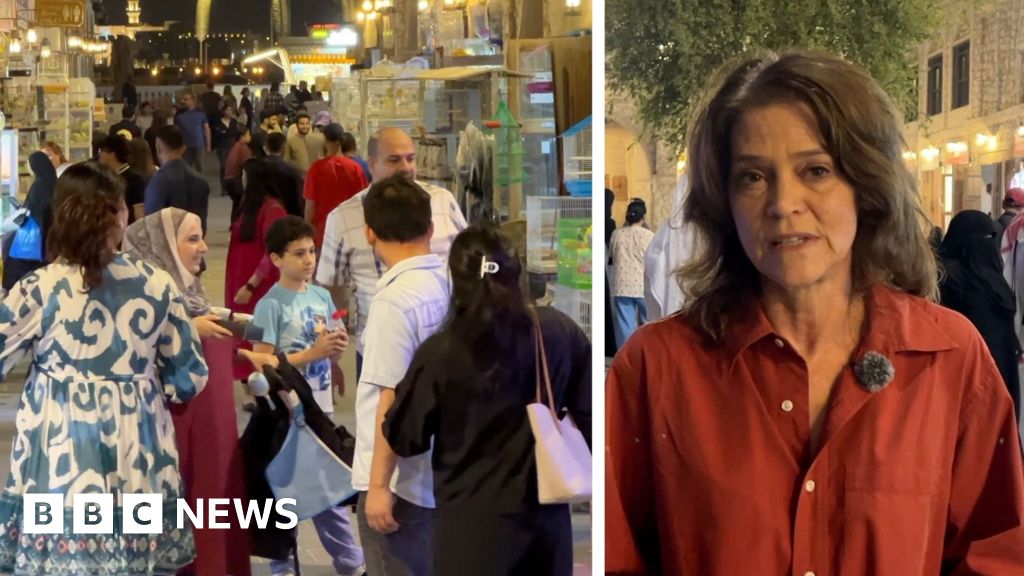
Doha, Qatar – Life is slowly returning to normal in Doha, including at the bustling Souq Waqif market, as the city adjusts to the realities of a regional conflict now entering its third week. While neighboring Gulf states have experienced direct casualties from Iranian retaliatory strikes, Qatar has, so far, avoided direct hits resulting in loss of life, largely due to effective air defense systems. The return of shoppers and tourists to the Souq Waqif, a traditional marketplace, signals a cautious optimism amidst ongoing tensions following the escalation of conflict between Iran and the United States and Israel on February 28th.
The initial days of the conflict saw a noticeable absence of activity at the Souq Waqif, a popular destination for both locals and tourists. The usually vibrant market, known for its spices, textiles and traditional crafts, was described as almost empty as residents reacted to the sudden surge in regional instability. This initial shock reflected broader anxieties across the Gulf region, as Iran launched attacks in response to a strike on its consulate in Damascus earlier in the month. The strikes, as reported by the BBC, have resulted in at least 18 deaths across the Gulf states, highlighting the very real threat posed by the escalating conflict.
Qatar’s Position and Regional Security
Qatar has maintained a delicate position throughout the crisis, balancing its strategic alliances with both the United States and Iran. The country hosts Al Udeid Air Base, a critical US military installation, making it a potential target for Iranian retaliation. However, Qatar has also historically maintained diplomatic channels with Iran, playing a mediating role in regional disputes. Sheikh Khalifa bin Hamad, Qatar’s Interior Minister, stated on March 13th that the security situation in the country is “stable,” and that the government has a plan in place to address further potential attacks. Al Jazeera reported that Qatar’s early warning systems have been effective in intercepting missile fragments from Iranian strikes, with over 600 sites across the country reporting debris.
The Interior Minister also emphasized Qatar’s preparedness in terms of essential resources. According to Sheikh Khalifa, the nation possesses sufficient water reserves to last for several months and food supplies to cover the country’s needs for a year and a half. This proactive approach to resource management underscores Qatar’s commitment to ensuring the well-being of its citizens and residents amidst the ongoing regional instability. The strikes targeting Qatar have largely been aimed at US military bases, and the Qatari air defenses have successfully intercepted most of them, preventing significant damage or casualties within the country.
The Souq Waqif: A Barometer of Public Sentiment
The gradual return of activity to the Souq Waqif offers a glimpse into the evolving mood of the Qatari population. While concerns about the conflict remain, the resumption of daily life in this iconic marketplace suggests a growing sense of resilience and a determination to carry on despite the surrounding turmoil. The BBC’s Barbara Plett Usher recently visited the Souq Waqif to gauge public sentiment, speaking with vendors and shoppers about their experiences and outlook. The market’s revival is not merely an economic indicator; it’s a symbol of Qatar’s ability to navigate a complex geopolitical landscape and maintain a semblance of normalcy.
The economic impact of the conflict on Gulf economies is significant. Al Jazeera reported that the US-Israel war on Iran is fracturing Gulf economies, creating uncertainty for businesses and investors. Qatar, with its diversified economy and substantial reserves, is better positioned to weather the storm than some of its neighbors, but the long-term consequences of the conflict remain to be seen. The stability of the Souq Waqif, is not just a local phenomenon but a reflection of Qatar’s broader economic resilience.
Iran’s Retaliatory Strikes and Regional Impact
The current conflict stems from a series of escalating tensions between Iran and its regional adversaries, particularly Israel and the United States. Iran’s recent strikes, launched in response to the attack on its consulate in Damascus, have targeted military installations and infrastructure across the region. While Iran maintains that its targets are limited to military interests, the strikes have also impacted civilian infrastructure, including oil and gas facilities. The situation remains highly volatile, with the potential for further escalation. On March 16, 2026, reports indicate that Iran has intensified its retaliation campaign, launching a fresh wave of missiles toward Israeli targets, as well as Qatar and the United Arab Emirates.
The broader geopolitical implications of the conflict are far-reaching. The United States has reaffirmed its commitment to supporting Israel’s security, while also seeking to de-escalate tensions with Iran. Qatar, as a key mediator in regional disputes, is playing a crucial role in facilitating dialogue and preventing further escalation. The stability of the Gulf region is vital to global energy markets, and any disruption to oil and gas supplies could have significant economic consequences worldwide. The situation demands careful diplomacy and a concerted effort to locate a peaceful resolution.
Looking Ahead: Uncertainty and Resilience
The situation in the Middle East remains fluid and unpredictable. While the return of activity to Doha’s Souq Waqif offers a glimmer of hope, the underlying tensions and the potential for further escalation remain significant. Qatar’s ability to maintain stability and protect its citizens will depend on its continued diplomatic efforts, its robust defense capabilities, and its strategic partnerships with key international actors. The coming weeks will be critical in determining the trajectory of the conflict and its long-term impact on the region.
The next key development to watch will be the response from Israel and the United States to Iran’s latest wave of attacks, as reported by sources on March 16th. Further escalation could lead to a wider regional conflict, while a diplomatic resolution could pave the way for a more stable future. The international community must remain engaged and work towards a peaceful solution that addresses the underlying causes of the conflict and ensures the security of all parties involved.
What are your thoughts on the situation in Qatar and the wider Middle East? Share your comments below and let us know how you are following these developments. Don’t forget to share this article with your network to keep others informed.