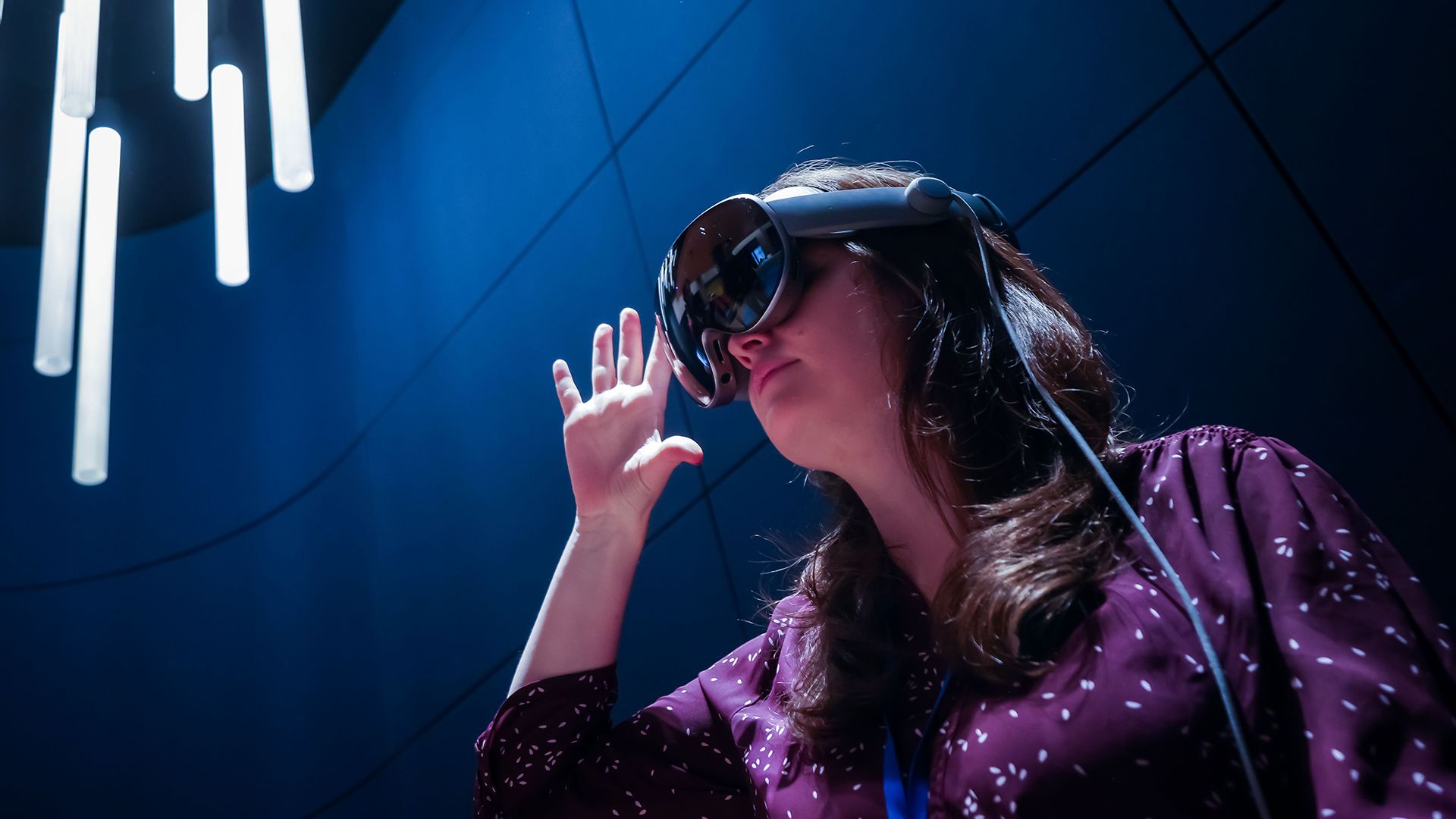
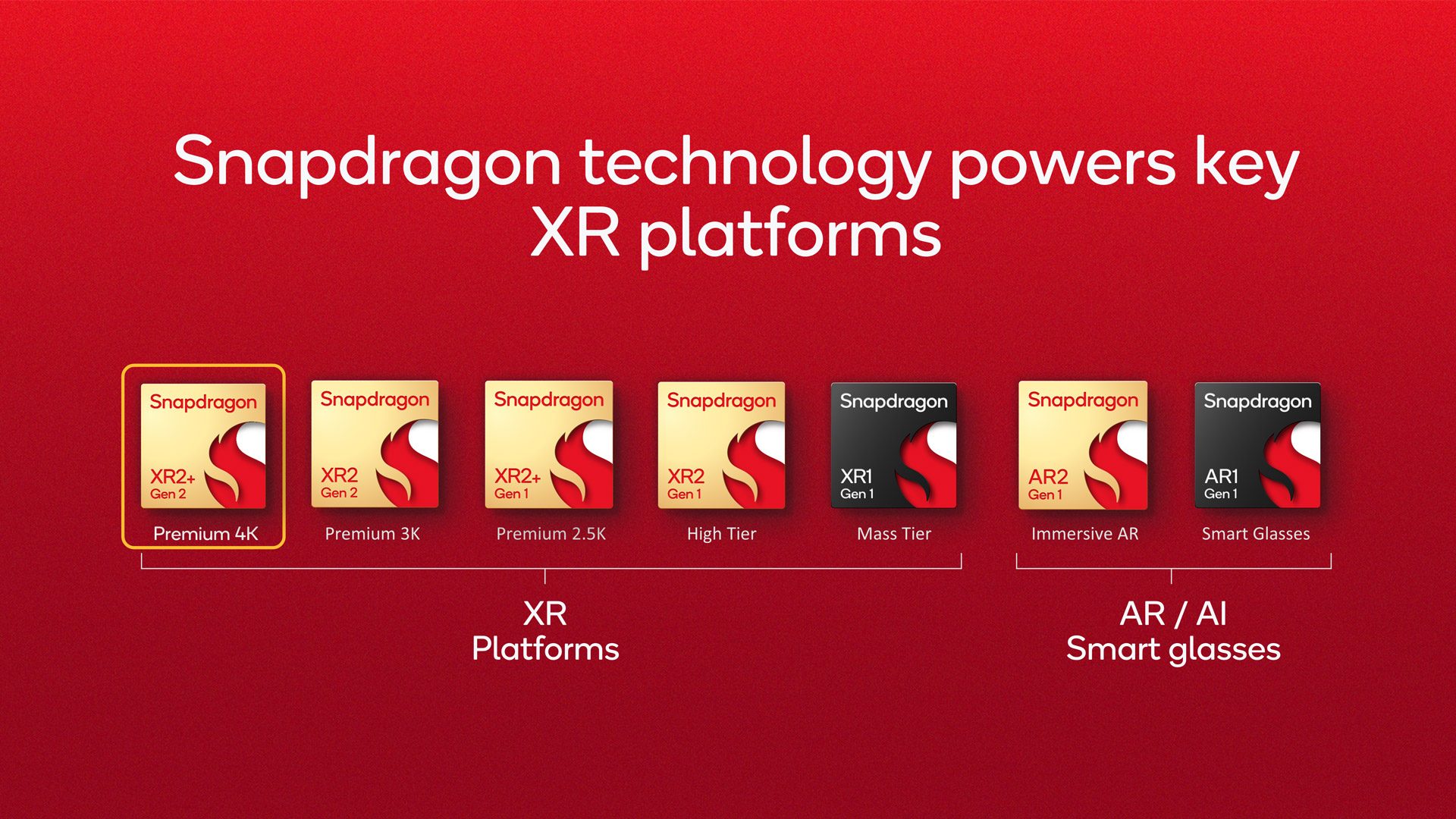
Qualcomm has officially unveiled the Snapdragon XR2+ Gen 2, a high-performance chipset designed to power the next generation of premium extended reality (XR) headsets. This platform, which industry analysts identify as a significant leap in mobile computing for spatial hardware, is expected to serve as the technological foundation for upcoming devices, including potential future collaboration between Samsung, Google, and Qualcomm. The advancement comes as manufacturers race to develop “Elite” tier headsets capable of competing with high-end spatial computing devices currently entering the market.
The new architecture focuses on supporting 4.3K resolution per eye at 90 frames per second, a standard necessary for the high-fidelity visual immersion required by modern mixed reality applications. According to official documentation from Qualcomm, the platform also features support for more than 12 concurrent cameras to track user movement, facial expressions, and environmental data with minimal latency. This capability is essential for “passthrough” video, where the headset displays a real-time view of the physical world overlaid with digital elements.
Technical Specifications and Performance Capabilities
At the core of the Snapdragon XR2+ Gen 2 is a commitment to reducing the “screen-door effect” and jitter that have historically hindered consumer adoption of virtual reality. By enabling 90 frames per second at 4.3K resolution, the chipset aims to provide visual parity with high-end desktop-tethered systems while remaining entirely wireless. The Snapdragon XR2+ Gen 2 specifications indicate a 15% increase in GPU frequency and a 20% increase in CPU frequency compared to the standard XR2 Gen 2, providing the overhead required for complex spatial computing tasks.
The integration of this hardware into consumer products signals a shift toward “Elite” category devices. For users, this means the potential for thinner, lighter headsets that do not sacrifice performance for portability. The chipset’s ability to handle high-resolution displays is matched by its power efficiency, which is a critical constraint for head-mounted displays that rely on onboard battery power.
The Samsung and Google Partnership Strategy
Industry observers have long tracked the partnership between Samsung, Google, and Qualcomm to develop a new XR platform. In early 2023, Samsung Electronics announced a collaboration with Google and Qualcomm to build a new extended reality ecosystem, according to official press releases from Samsung. While Samsung has not provided a firm release date for its next-generation headset, the availability of the Snapdragon XR2+ Gen 2 provides the necessary hardware backbone for such a project.
This collaboration is widely viewed as a direct response to the growth of spatial computing in the enterprise and consumer sectors. By combining Samsung’s hardware manufacturing expertise, Google’s software and Android ecosystem, and Qualcomm’s specialized silicon, the companies aim to create a cohesive experience that bridges the gap between smartphone applications and immersive 3D environments. Analysts note that this “Elite” approach is intended to provide a credible alternative to existing high-end headsets currently dominating the premium segment.
What This Means for the XR Market
The introduction of specialized silicon for spatial computing marks a transition from experimental technology to a standardized consumer category. As manufacturers like Samsung prepare their next moves, the focus has shifted toward software integration and user interface design. The Snapdragon XR2+ Gen 2 provides a common language for developers, allowing them to build applications that perform consistently across different hardware manufacturers.
For the average consumer, the availability of this chipset suggests that the next generation of headsets will be significantly more capable of handling multitasking, high-fidelity gaming, and professional-grade productivity tools. The reliance on advanced camera tracking and real-time processing indicates that “mixed reality”—where digital objects interact with the physical world—will remain the primary focus for future device development.
Looking Ahead: Next Steps for XR Hardware
While the hardware specifications are now established with the rollout of the latest Qualcomm platforms, the industry remains in a waiting pattern regarding specific product announcements. Samsung has yet to disclose the final branding or technical design for its anticipated XR device. Investors and tech enthusiasts are now looking toward upcoming major industry events, such as the Mobile World Congress or future Samsung Unpacked events, for further details on product timelines.
The next confirmed checkpoint for this technology will likely be the official product unveiling by Samsung, which is expected to provide the first real-world look at how the Snapdragon XR2+ Gen 2 performs in a consumer-ready form factor. As developers wait for further software development kits (SDKs) and hardware specifications, the focus remains on whether these “Elite” headsets can move beyond niche professional use cases to reach a broader, mainstream audience.
For more updates on the evolving spatial computing landscape and the latest developments in wearable technology, stay tuned to our ongoing coverage. We encourage our readers to join the conversation in the comments section below and share their perspectives on the future of mixed reality hardware.
Related reading