
Qualcomm has initiated a public marketing campaign hinting at new developments in extended reality (XR) hardware, fueling industry speculation that the company may unveil its latest platform during the upcoming Meta Connect conference. The semiconductor giant, which currently powers the majority of high-end standalone virtual and mixed reality headsets through its Snapdragon XR series, has officially signaled that an announcement is forthcoming, though specific technical specifications remain undisclosed.
Meta Connect, the annual event hosted by Meta Platforms Inc. to showcase its latest advancements in AI and reality labs, is scheduled to take place on September 25 and 26, 2024, at the company’s headquarters in Menlo Park, California. While Qualcomm has not explicitly confirmed its presence on the keynote stage, the timing of the teaser—released via social media channels—aligns with the industry’s expectation for next-generation silicon updates to support upcoming wearable devices. According to the official Meta Connect event schedule, the conference serves as a primary venue for hardware partners to demonstrate advancements in spatial computing.
The Evolution of Snapdragon XR Silicon
Qualcomm’s current market position is anchored by the Snapdragon XR2 Gen 2, which serves as the processing engine for the Meta Quest 3. As noted in the company’s official product documentation, this chipset introduced significant improvements in GPU performance and AI-driven spatial awareness compared to its predecessor. Any new hardware teased by the company would likely focus on further reducing the power-to-performance ratio, a critical barrier for manufacturers attempting to shrink headsets into lighter, glasses-like form factors.

The industry is currently transitioning from bulky, battery-heavy headsets toward “smart glasses” and thinner mixed reality interfaces. Analysts from firms such as IDC have frequently cited thermal management and battery density as the primary constraints for XR hardware development. By iterating on its existing architecture, Qualcomm aims to maintain its dominance in the sector as competitors, including Apple with its Vision Pro and various Android-based manufacturers, continue to invest in proprietary or alternative silicon solutions.
Synergy Between Qualcomm and Meta
The relationship between Qualcomm and Meta is central to the current state of consumer XR. Since the launch of the original Quest, Meta has relied on Qualcomm’s specialized silicon to provide the low-latency processing required for immersive experiences. This collaboration was solidified through a multi-year strategic partnership agreement announced in 2022, aimed at co-developing chips specifically for the Meta Quest product line.
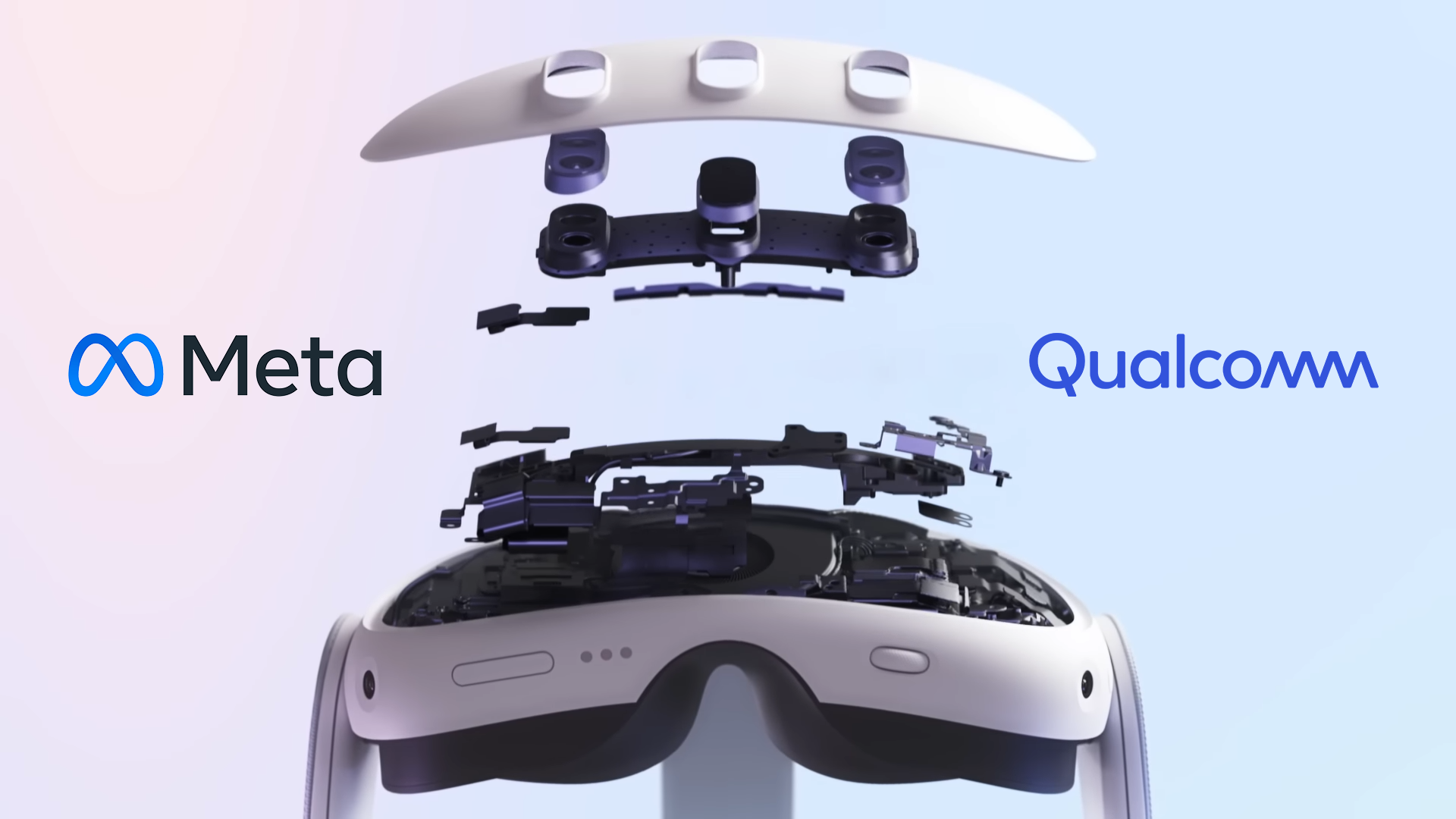
Industry observers often look to Meta Connect for signs of this partnership bearing fruit in the form of new hardware tiers. If Qualcomm announces a new platform at the event, it would represent a continuation of this co-development strategy. Such an announcement typically involves a demonstration of improved “passthrough” video quality or more robust hand-tracking capabilities, both of which are heavily dependent on the efficiency of the underlying SoC (System on Chip).
What to Expect at Meta Connect 2024
Beyond potential Qualcomm updates, Meta Connect is expected to highlight the company’s broader AI strategy. According to official communications from Meta, the event will feature keynotes from CEO Mark Zuckerberg regarding the integration of Llama AI models into consumer hardware. The intersection of generative AI and XR—often referred to as “AI-powered spatial computing”—is anticipated to be a major theme of the conference.
For developers and consumers, the significance of a new chipset lies in the potential for longer battery life and higher-resolution display support. The current generation of headsets often struggles to balance high-fidelity graphics with the comfort required for extended wear. A more efficient chip could facilitate the transition toward devices that function more like traditional eyewear, potentially expanding the addressable market for XR beyond gaming and into daily productivity tasks.
Industry Implications and Future Checkpoints
The broader XR market remains highly sensitive to hardware breakthroughs. Following the official proceedings at Meta Connect, the next major industry milestone will be the quarterly earnings reports from both Qualcomm and Meta, which will likely provide further context on the adoption rates of the hardware unveiled during the conference. Investors and tech enthusiasts should monitor the Meta Investor Relations portal and the Qualcomm Investor Relations site for official updates regarding product rollouts and strategic hardware roadmaps.
As the landscape for spatial computing continues to shift, the technical specifications provided by chip manufacturers like Qualcomm will serve as the baseline for what software developers can achieve in the coming year. Whether the teased “something new” is a minor optimization or a significant architectural leap, it will undoubtedly set the tone for the 2025 consumer electronics cycle. Readers are encouraged to share their predictions regarding the potential specs of this new hardware in the comments section below.
Worth a look