
In the realm of rare medical conditions, few diagnoses are as complex or as physically taxing as oncogenic osteomalacia. Recently, public attention has been drawn to this rare disorder following disclosures regarding the health challenges faced by Miroslava Montemayor. Her experience highlights the often-perplexing journey patients endure when confronting a condition that affects bone health through underlying, sometimes elusive, systemic triggers.
As a sports journalist, I am accustomed to reporting on physical resilience and recovery. However, the path to diagnosing and managing oncogenic osteomalacia is far removed from the typical injuries seen on the pitch. It’s a rare paraneoplastic syndrome that demands specialized medical intervention and awareness, as it often masquerades as more common musculoskeletal issues before a definitive cause is identified.
Understanding Oncogenic Osteomalacia: A Rare Clinical Challenge
Oncogenic osteomalacia—often referred to in medical literature as tumor-induced osteomalacia (TIO)—is a rare condition characterized by the softening of bones. Unlike typical osteoporosis, which is often age-related, TIO is caused by a tumor, frequently benign, that secretes a substance known as Fibroblast Growth Factor 23 (FGF23). According to the National Institute of Diabetes and Digestive and Kidney Diseases, this hormone disrupts the body’s ability to process phosphate, leading to its excessive loss through the urine. This hypophosphatemia—or low blood phosphate—is what ultimately prevents proper bone mineralization, resulting in pain, weakness, and an increased susceptibility to fractures.
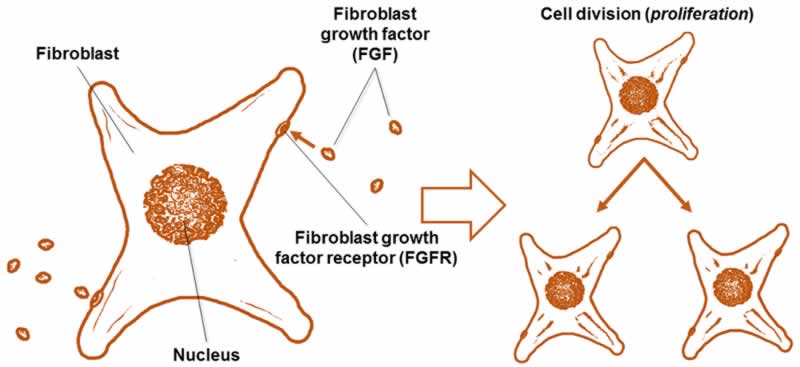
The diagnostic process is notoriously challenging. Because the tumors responsible are often exceptionally small and can be located anywhere in the body, patients may suffer from unexplained bone pain or recurrent fractures for years before a diagnosis is reached. The rarity of the condition means that awareness remains limited, not only among the general public but sometimes even within primary care settings. For those affected, the journey often involves multiple specialists, including endocrinologists, rheumatologists, and oncologists, working in tandem to locate the source of the hormonal imbalance.
The Impact of the Condition
The physical toll on individuals diagnosed with this disorder can be significant. The depletion of essential minerals in the bones leads to a state where even minor stresses can result in microfractures. Managing the condition typically involves aggressive supplementation of phosphate and active vitamin D to stabilize bone health while efforts are made to surgically remove the causative tumor. Once the tumor is successfully identified and excised, the hormonal levels often normalize, and the patient can begin the long process of bone recovery.
For individuals in the public eye, sharing such a journey serves a dual purpose: it sheds light on a frequently misunderstood medical reality and provides a sense of community for others who may be struggling with similar, undiagnosed symptoms. While the prevalence of such conditions is statistically low, the burden on the individual is profound, necessitating comprehensive clinical oversight and a robust support system.
Moving Forward: Awareness and Clinical Vigilance
The medical community continues to advance in its ability to detect and treat rare bone disorders. Through improved imaging techniques and a better understanding of FGF23-mediated pathways, clinicians are better equipped than in previous decades to identify the tumors responsible for oncogenic osteomalacia. Early detection remains the most critical factor in preventing the long-term musculoskeletal damage that characterizes the advanced stages of the disease.
For those seeking more information on bone health or rare metabolic bone diseases, the Bone Health and Osteoporosis Foundation provides extensive resources on identifying symptoms and understanding when to seek specialized care. It is an essential reminder that unexplained, persistent bone pain should always be evaluated by a healthcare professional, particularly when standard treatments for common fractures fail to provide relief.
As we monitor developments in medical diagnostics and patient care, the focus remains on ensuring that rare conditions like oncogenic osteomalacia receive the attention they require. We encourage our readers to share their thoughts or experiences in the comments section below. Your engagement helps foster a more informed community, and we look forward to continuing our coverage of health and sports excellence in the weeks ahead.