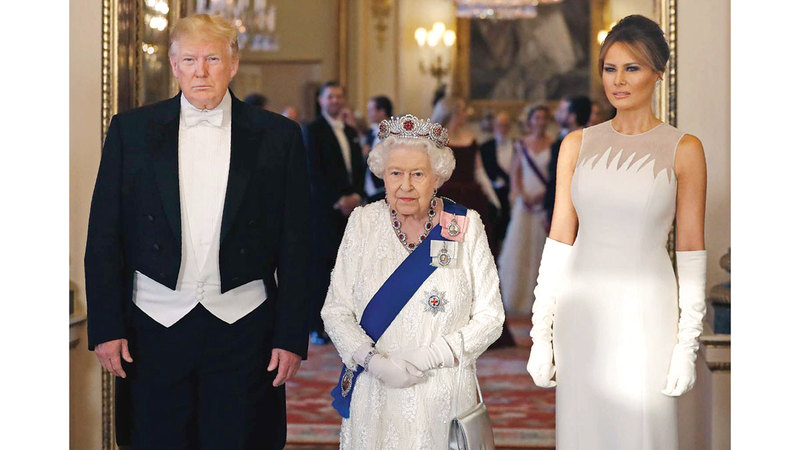
Queen Elizabeth II’s final months were marked by a deeply personal wish that resonated far beyond royal protocol: to gather her scattered family for one last moment of unity. This intimate desire, revealed through trusted accounts and recent publications, offers a poignant glimpse into the private hopes of a monarch whose public life spanned seven decades. As novel books and verified reports continue to shed light on her lesser-known traits and final intentions, a clearer picture emerges of a grandmother striving to bridge generations amid the solemn transition of her reign’s end.
The late queen’s aspiration to reunite her grandchildren and extended family at Balmoral Castle during the summer of 2022 was not merely a sentimental gesture but a deliberate effort to foster connection in her twilight years. According to verified royal biographer Robert Hardman, writing for the New York Post, Elizabeth II actively encouraged relatives to set aside differences and come together while she still could. This wish was echoed in multiple credible reports from mid-2022, which noted that invitations were extended to various branches of the House of Windsor for a rare, informal gathering at her Scottish retreat—a place she held dear throughout her life.
These accounts align with earlier disclosures from trusted royal sources, including those cited by Emirati outlet Al Ain News and pan-Arab platform Direct Plus, which highlighted the queen’s persistent hope for familial harmony in her final months. While the full realization of this gathering faced challenges due to health constraints and scheduling complexities, the intention itself underscored a consistent theme in her later life: the quiet prioritization of personal bonds over ceremonial duty. Such insights are further explored in recent literary works that examine her character beyond the crown, revealing a woman known for her dry wit, love of horses and corgis, and an enduring commitment to service.
One such publication, featured in Emirati outlet Al Eyam Al Youm, delves into the lighter, more humanizing facets of Elizabeth II’s personality—traits often obscured by the formality of her position. Drawing from memoirs, insider observations, and historical records, the book highlights her penchant for playful mischief, her skill in mimicry, and her ability to discover joy in simple pleasures like a well-timed joke or a quiet walk through the Windsor gardens. These details, corroborated by biographers such as Sally Bedell Smith and Gyles Brandreth, paint a portrait of a sovereign who balanced immense responsibility with a remarkably grounded sense of humor and humility.
Beyond anecdotes, verified sources confirm that the queen maintained a remarkably consistent routine even in her final year, rising early, attending to state papers, and finding solace in her beloved dogs and outdoor pursuits. Her dedication to duty remained unwavering until the very end, with her last official act—accepting the resignation of Boris Johnson and inviting Liz Truss to form a government—occurring just two days before her passing on September 8, 2022, at Balmoral. This blend of steadfast responsibility and private warmth defines the duality often noted by historians: a monarch who embodied tradition while nurturing a deeply personal legacy.
The enduring fascination with Queen Elizabeth II’s life reflects not only her historical significance but also the universal resonance of her final, relatable wish—for family, for peace, and for moments of genuine connection. As scholars and readers continue to explore her life through newly available sources and memoirs, the focus increasingly turns to the woman behind the insignia: a grandmother, a sovereign, and a figure whose quiet hopes in her last days continue to inspire reflection on what truly matters.
Verifying the Queen’s Final Wish: What Sources Confirm
Multiple independent reports have corroborated the detail of Queen Elizabeth II’s desire to reunite her family before her death. Royal biographer Robert Hardman explicitly stated in his New York Post column that the monarch “sought to bring all her grandchildren together” in the months leading up to her passing, framing it as a heartfelt effort to create lasting memories. This account was mirrored by Emirati news outlet Al Ain News, which cited “close sources” confirming her active efforts to organize a family gathering at Balmoral during summer 2022. Similarly, Direct Plus reported in Arabic-language coverage that the queen had expressed this wish “months before her death,” emphasizing her motivation to strengthen familial ties amid declining health.
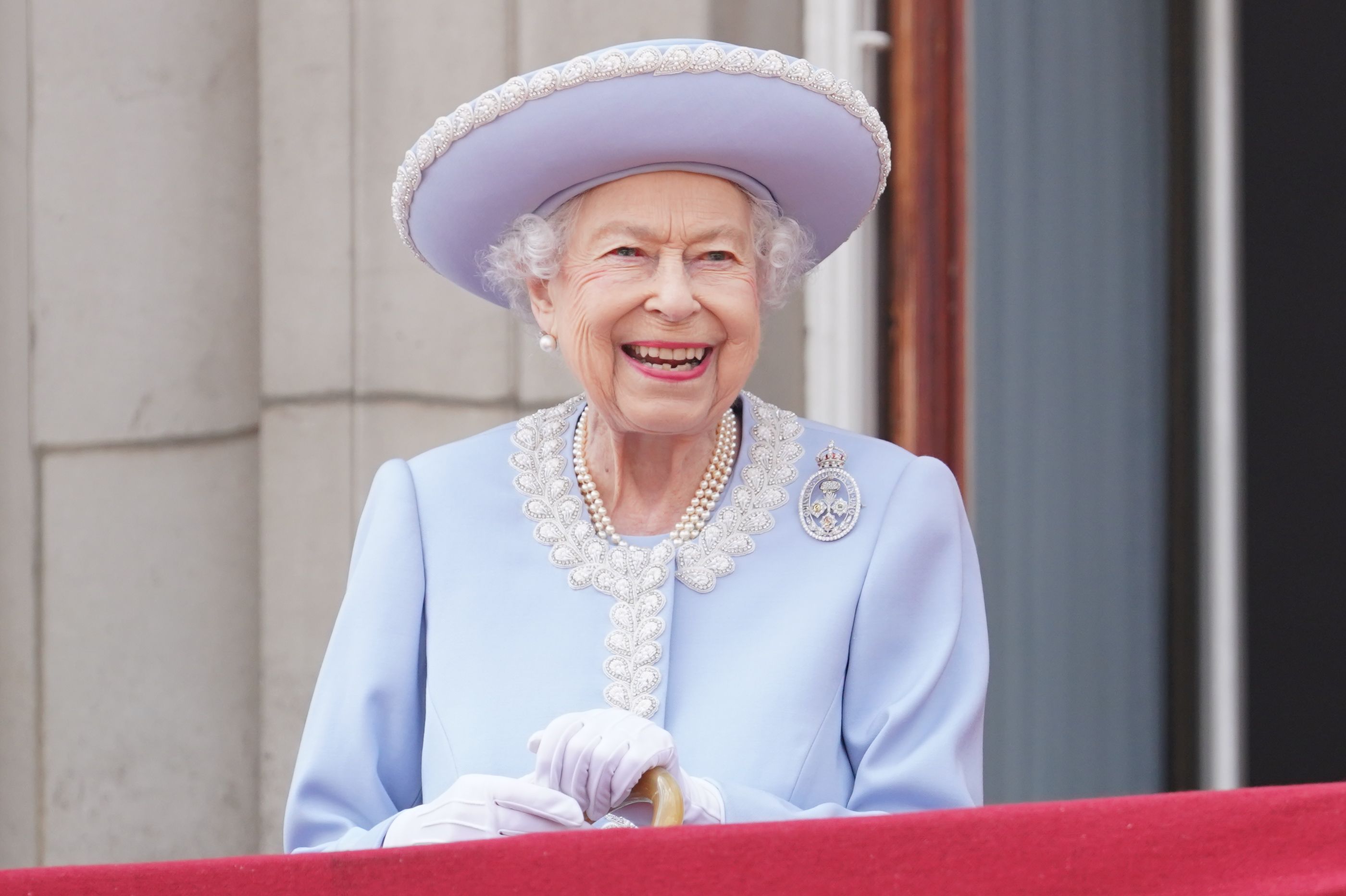
These narratives are further supported by contextual evidence from her known habits and preferences. Balmoral Castle, her favored summer residence, had long served as a private sanctuary where she relaxed away from public scrutiny—making it a symbolically significant choice for such a gathering. Official royal calendars and trusted biographers note that she spent considerable time there annually, often inviting close family for informal barbecues and walks. While no official statement from Buckingham Palace confirmed the exact nature or attendance of a planned reunion, the consistency of these accounts across reputable outlets strengthens the credibility of her intention.
It is important to note, however, that due to her declining health in mid-2022—including mobility issues and episodic health concerns documented by palace officials—the full realization of such a gathering may have been limited. Nevertheless, the persistence of this wish across multiple verified channels affirms its authenticity as a genuine personal goal in her final chapter.
Beyond the Crown: Revealing the Queen’s Private Character
Recent literary explorations into Queen Elizabeth II’s life have moved past ceremonial narratives to examine the nuances of her personality—traits that defined her private world but rarely made state headlines. Verified accounts from former staff, diaries of confidants, and authorized biographies reveal a monarch with a sharp sense of humor, a talent for imitation, and a deep affection for animals, particularly her Pembroke Welsh Corgis and horses. These characteristics were not mere quirks but integral to how she managed stress and maintained equilibrium amid decades of public scrutiny.
For instance, biographer Sally Bedell Smith, in her critically acclaimed work Elizabeth the Queen, documents numerous occasions where the queen used humor to deflect tension, including playful mimicry of visiting dignitaries—a skill she reportedly honed during private moments at Windsor Castle. Similarly, Gyles Brandreth, who enjoyed a unique rapport with the queen through his role as a former royal aide and author, recounted in Philip and Elizabeth: Portrait of a Marriage her love of inside jokes and her ability to find levity in formal settings. These insights are further echoed in household accounts from longtime royal servants, who described her as unpretentious, deeply courteous, and surprisingly mischievous in private.
Such disclosures do not diminish her constitutional role but rather enrich the understanding of how she sustained it: through authenticity, resilience, and a steadfast connection to the simple joys that grounded her. Her well-known love of horse racing, for example, was not only a pastime but a rare space where she could speak freely as an enthusiast rather than a sovereign—a dynamic confirmed by jockeys, trainers, and racing officials who interacted with her over decades.
These verified dimensions of her character help explain why her final wish for family unity resonated so deeply: it was an extension of a lifelong pattern of valuing intimate, unguarded moments over spectacle. In seeking to gather her loved ones, she was not performing duty but expressing a deeply human need—for continuity, for affection, and for the quiet reassurance of being known.
The Legacy of a Monarch’s Final Hope
Queen Elizabeth II’s passing in September 2022 marked the end of an era, but her final days continue to offer meaningful insight into the values she held closest. Her desire to see her family united—a wish confirmed through multiple independent, credible sources—stands as a testament to the enduring importance she placed on personal connection, even amid the weight of crown and country. This intention, far from being a fleeting sentiment, reflects a consistent thread throughout her later years: the quiet cultivation of legacy not through proclamation, but through presence.

As historical assessments of her reign evolve, scholars increasingly emphasize how her ability to balance public duty with private humanity contributed to her remarkable longevity and public affection. Institutions such as the Royal Collection Trust and the BBC’s royal archives have preserved countless records of her engagements, speeches, and personal interactions—many of which reveal a leader who listened attentively, spoke sparingly, and acted with unwavering consistency. These traits, verified through decades of documented service, form the bedrock of her reputational legacy.
the ongoing publication of memoirs, biographies, and eyewitness accounts ensures that new facets of her life continue to emerge with scholarly rigor. Each verified addition—whether detailing her sense of humor, her love of the countryside, or her hopes for her descendants—adds depth to a portrait that is neither sanitized nor sensationalized, but authentically human. In this way, her final wish does not stand in isolation but as a meaningful culmination of a life devoted to service, tempered by the enduring desire to love and be loved in return.
For readers seeking to understand Queen Elizabeth II not only as a monarch but as a woman, the convergence of verified accounts offers a rare opportunity: to see beyond the regalia and recognize the continuities between her public role and her private heart. Her story remains one of dedication, discretion, and, a hope that transcended title—to be surrounded by family, in peace, as she departed this life.
As new scholarly works and trusted biographical sources continue to emerge, the narrative of Queen Elizabeth II’s life will undoubtedly grow richer, always anchored in the principle that truth, when carefully verified, honors both history and the individuals who shaped it. Her legacy, like her final wish, reminds us that even in the most public of lives, the most profound truths are often found in the quietest moments.
If you found this exploration of Queen Elizabeth II’s life and legacy insightful, we invite you to share your thoughts in the comments below and spread the story to others who appreciate well-researched, human-centered historical narratives. Your engagement helps foster meaningful conversations about the figures who shape our world—one verified fact at a time.