
Delving into the sonic and Mythic World of ”Rabbit Trap“: A Sundance Spotlight
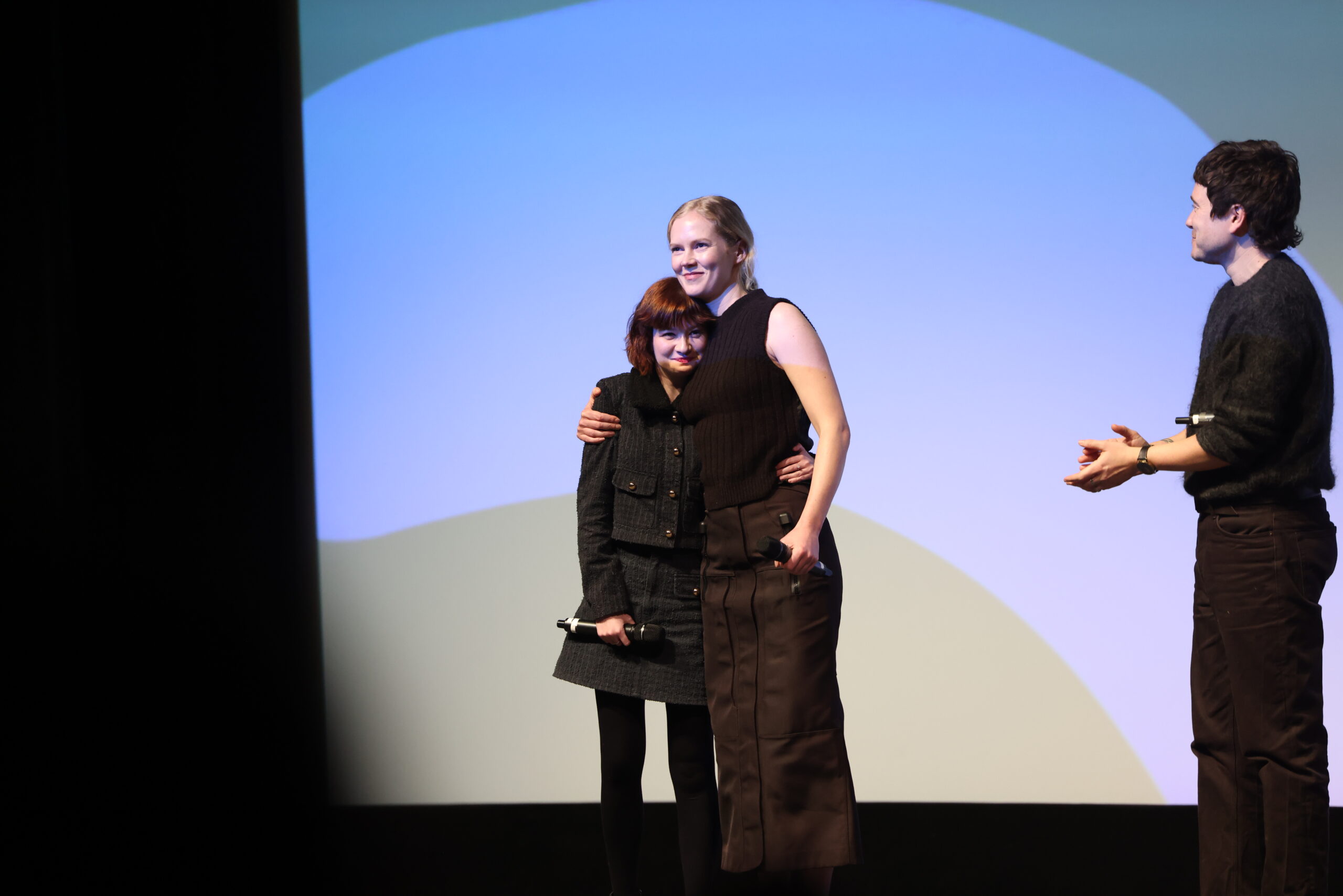
The 2025 Sundance Film Festival unveiled a truly unique cinematic experience with the premiere of “Rabbit Trap,” a film that’s already sparking conversation. Director Philip Chainey isn’t aiming for simple entertainment; he wants to unsettle you,to linger in your mind.And judging by the audience reaction at the Eccles Theater post-screening, he’s well on his way to achieving that goal.
But “Rabbit Trap” isn’t just about scares. It’s a meticulously crafted exploration of sound, folklore, and the hidden burdens we all carry.Let’s unpack what makes this film so compelling.
A Symphony of Sound and Analog Aesthetics
Chainey’s vision for “Rabbit Trap” was deeply rooted in the pioneering days of electronic music, especially within the UK scene. He wasn’t interested in digital perfection, but rather the raw, visceral textures of early analog synthesizers and equipment.
This passion dictated several key creative decisions:
* 35mm Film: A deliberate choice to move away from the clinical look of digital and embrace the warmth and grain of classic filmmaking.
* 1976 Setting: This era provided the perfect backdrop for exploring the nascent world of electronic sound and a sense of isolation.
* Sound as Character: The film is built on sound – thrumming, pulsing audio that’s designed to be all-consuming.
Chainey’s love for sound is beautifully embodied in Daphne, played by Rosy McEwen, an experimental electronic musician. she and her husband, Darcy (Dev Patel), seek refuge in the Welsh countryside, hoping the change of scenery will inspire Daphne’s work. However, the idyllic setting quickly becomes a catalyst for confronting their repressed emotional baggage.
Welsh Folklore and the Ambiguity of Fairies
The couple’s quiet retreat is disrupted by the arrival of a mysterious child, a young rabbit trapper who seems to need nothing more than a friend. But this isn’t a simple tale of loneliness. Chainey masterfully weaves in the rich tapestry of Welsh folklore, presenting fairies not as inherently evil, but as complex, unpredictable beings.
“For me, fairies and goblins and pixies…they’re not evil, they’re not good,” Chainey explains. “they’re sort of recalcitrant and kind of needy and inconsistent, just like children.”
This nuanced portrayal draws inspiration from artists like Brian Froud, whose fantastical illustrations captivated Chainey as a child. he recalls the magic feeling less like superstition and more like “a strange expression of nature” – a feeling he aimed to recreate on screen.
Nature as a Force and the Weight of Secrets
“Rabbit Trap” doesn’t just feature nature; it’s actively present, almost a character in itself. The forest looms, moss creeps, and fungi flourish, creating a sensory experience that’s both beautiful and unsettling.
Chainey intentionally crafted this immersive atmosphere. “This is a really intimate story about just three characters and a house,” he says. “It felt important to let nature…feel big,as well,and for nature to infiltrate that part of the film.” He wanted to create a film you could almost touch, a testament to the power of texture and the natural world.
Ultimately, “rabbit Trap” is a film about confronting the secrets we keep hidden, the shame and self-loathing that can fester beneath the surface. chainey hopes the film resonates with audiences on a universal level.
“We’ve all got something we’re harboring inside,” he suggests. “Listening is a very weird, sacred magic. It requires two people: one person to say and one person to hear.”
“Rabbit Trap” isn’t just a horror film; it’s a psychological exploration, a sonic experiment, and a loving tribute to the power of folklore and the natural world.It’s a film that demands your attention, and one that will likely stay with you long after the credits roll.
Where to Learn More:
* Sundance Film Festival - Rabbit Trap


