Saving Australia’s Endangered Angle-Stemmed Myrtle Through Cryopreservation
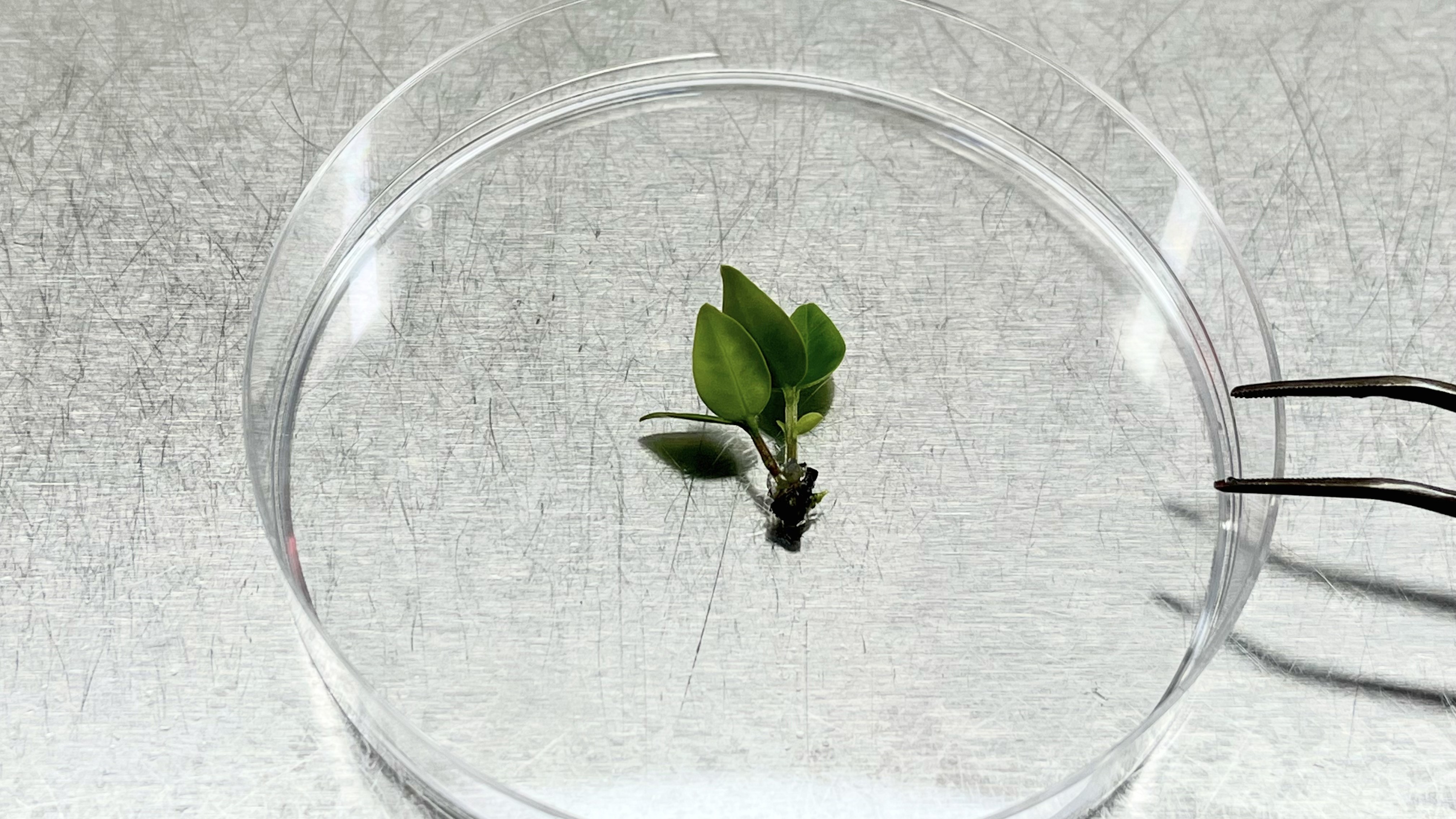
Teh angle-stemmed myrtle (Gossia gonoclada), a critically endangered tree native to southeastern Queensland and northern New South Wales, faces a precarious future. Habitat loss and the devastating spread of myrtle rust are pushing this unique species toward extinction. Though,a promising new approach – cryopreservation,or freezing plant material – offers a beacon of hope for its survival.
The Race Against Time
Researchers are working diligently to develop a reliable method for freezing and storing the genetic diversity of G.gonoclada. This isn’t simply about preserving seeds; it’s about safeguarding the plant’s future adaptability. You see, a diverse gene pool is crucial for a species to withstand evolving threats like climate change and emerging diseases.
The urgency is clear. Given the threats to this species in the wild due to habitat loss and invasive species including myrtle rust, action needs to happen fast.
How Cryopreservation Works
Cryopreservation involves freezing tiny pieces of plant tissue - specifically, shoot tips – in liquid nitrogen. This halts biological activity, effectively pausing the tissue in time. When carefully thawed, these tissues can be coaxed to regrow into new plants, genetically identical to the original.
This technique has already proven prosperous with the closely related sweet myrtle (Gossia fragrantissima). Researchers achieved a 100% survival rate,successfully regrowing all plants from frozen shoot tips. Now, they are adapting this method for the angle-stemmed myrtle, with encouraging initial results.
Ensuring genetic Diversity is Key
Successfully freezing the plants is only half the battle.It’s equally vital to ensure the frozen samples represent a wide range of genetic diversity within the species. This maximizes the chances of restoring a resilient and healthy population.
Here’s why genetic diversity matters:
* Adaptability: A diverse gene pool allows the species to adapt to changing environmental conditions.
* Disease Resistance: Variation increases the likelihood that some individuals will possess natural resistance to diseases like myrtle rust.
* Long-Term Survival: A genetically diverse population is better equipped to thrive in the face of unforeseen challenges.
Currently, researchers haven’t identified any disease- or climate-resistant specimens within their existing samples. However, local authorities and partners are actively searching for these resilient individuals in the wild. The goal is to preserve the most diverse collection possible, irrespective of known tolerances, to serve as a foundation for future breeding programs.
Beyond the Angle-Stemmed myrtle: A Call for Global Cryobanks
The plight of G. gonoclada highlights a broader need. We need to implement cryobanks globally to safeguard the diversity of endangered plants and vital food crops. This proactive approach is essential for ensuring food security and preserving biodiversity for future generations.
Investing in cryopreservation isn’t just about saving individual species; it’s about protecting the planet’s natural heritage. It’s a critical step toward a more sustainable and resilient future for all.
Worth a look