
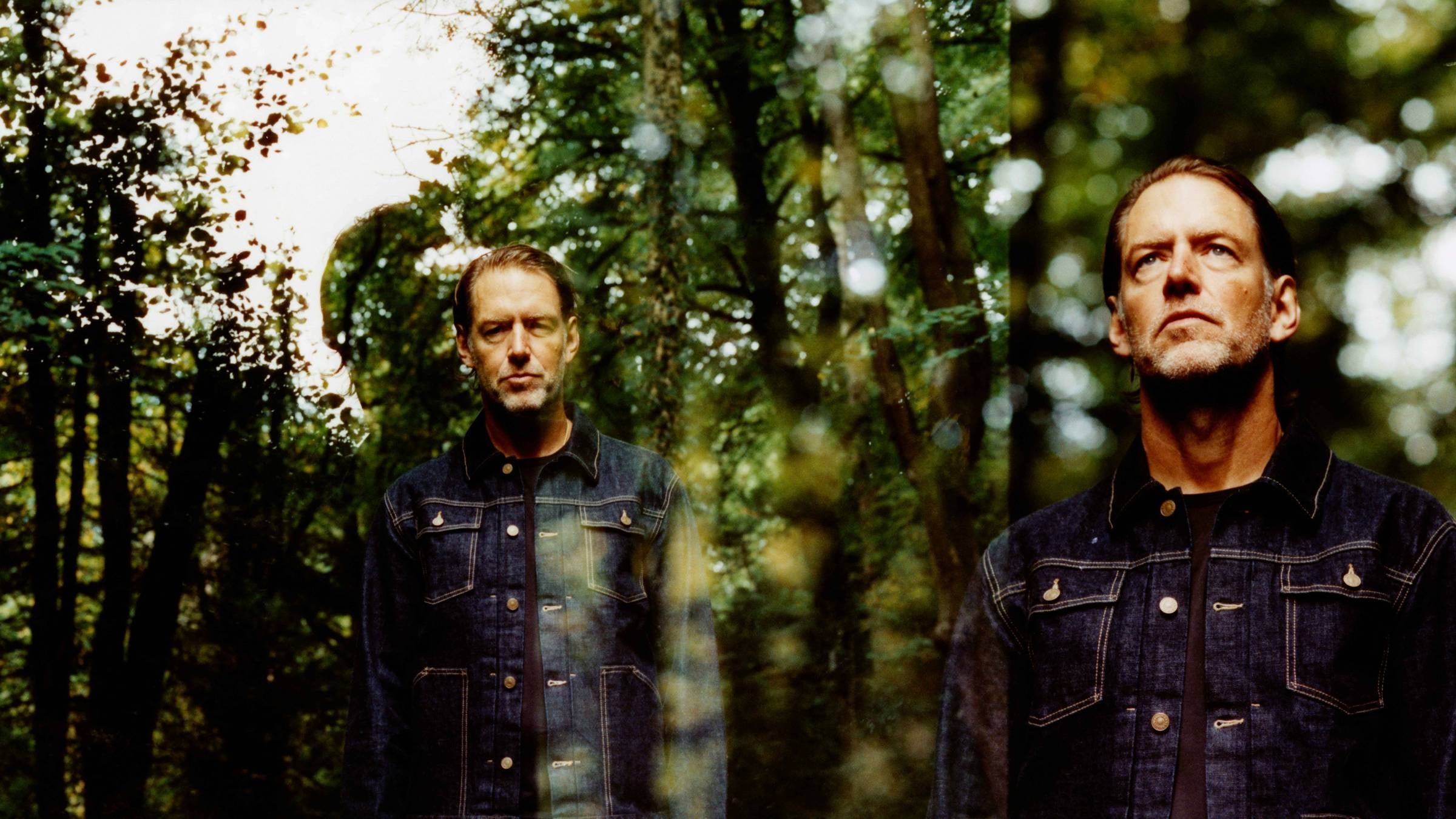
As a medical professional, I have long observed the intersection between artistic expression and the pursuit of holistic well-being. Recently, discussions surrounding the creative process of Ed O’Brien—the guitarist known for his decades-long tenure with the English rock band Radiohead—have brought to light a personal journey involving nature-based wellness and self-care practices. While the music industry often focuses on the final product of an album, O’Brien’s approach highlights a broader cultural conversation regarding the tools individuals use to navigate periods of creative stagnation and mental health challenges.
Formed in 1985 in Abingdon, Oxfordshire, Radiohead has long been recognized for its experimental approach to alternative rock, a legacy that includes landmark records such as 1997’s OK Computer and the genre-shifting Kid A. For members of such an enduring institution, the pressure to evolve artistically while maintaining personal equilibrium is significant. O’Brien, who has been a core member of the group alongside Thom Yorke, Jonny Greenwood, Colin Greenwood, and Philip Selway, has occasionally stepped outside the band’s collaborative framework to explore solo projects, reflecting a desire to process personal experiences through a different sonic lens.
The intersection of creative output and personal wellness is not merely a modern trend but a reflection of evolving attitudes toward mental health. In recent years, public discourse has increasingly turned toward non-traditional methods of stress management and mental restoration. While I must emphasize that any medical intervention—including the use of substances or rigorous physical routines—should be discussed with qualified healthcare providers, many artists are seeking paths to “creative darkness” recovery through lifestyle adjustments and mindfulness.
The Role of Nature and Routine in Mental Health
For many, the therapeutic value of nature—often referred to in clinical settings as “green exercise”—is well-documented. Spending time in natural environments has been associated with reductions in cortisol levels and improvements in mood. When individuals like O’Brien speak to the importance of walking in the woods, they are tapping into a practice that aligns with broader public health recommendations for physical activity and environmental exposure to manage chronic stress.
Similarly, the concept of hydrotherapy, or the use of cold water immersion, has gained traction in both athletic and wellness communities. While cold showers are frequently discussed in the context of “biohacking” or recovery, it is vital to approach such practices with an understanding of individual physiological responses. For some, these routines serve as a grounding mechanism, a way to anchor the nervous system during periods of high internal pressure. However, these are personal lifestyle choices rather than universal medical prescriptions, and their efficacy remains a subject of ongoing study in physiological and psychological research.
Navigating Creative Stagnation
Creative recovery often requires a deliberate shift in perspective. For artists who have spent decades in the spotlight, the transition from the structured environment of a band like Radiohead to the solitude of a solo career can be both daunting and liberating. The process of creating a new body of work often forces an individual to confront their own creative limitations. By integrating daily physical routines, many find a sense of agency that was previously obscured by the demands of a high-pressure career.

the path to wellness is rarely linear. As we continue to see prominent figures share their experiences with mental health, it becomes easier for the general public to engage in necessary conversations about the importance of seeking help and finding sustainable ways to cope with life’s challenges. Whether through creative outlets, professional therapy, or intentional lifestyle changes, the goal remains the same: the preservation of one’s health and the pursuit of a fulfilling life.
Looking Ahead: The Evolution of Artistic Expression
As O’Brien continues his work, the focus remains on the music as a reflection of his current state of mind. For fans and observers alike, these projects serve as a reminder that the individuals behind the art are subject to the same human struggles as anyone else. The shift toward more experimental and personal solo work is a testament to the growth of an artist who has been at the forefront of the music industry for nearly four decades.

For those interested in following the latest developments from the Radiohead collective, official updates can be found at Radiohead.com. As we monitor how these artists continue to influence the cultural landscape, we are reminded of the importance of balancing professional success with personal well-being. I encourage our readers to share their own experiences with nature-based wellness and to continue engaging in these vital discussions about mental health and creative growth in the comments section below.