Rafah Crossing Set to Reopen, Offering Hope for Gaza‘s Humanitarian Crisis – But Challenges Remain
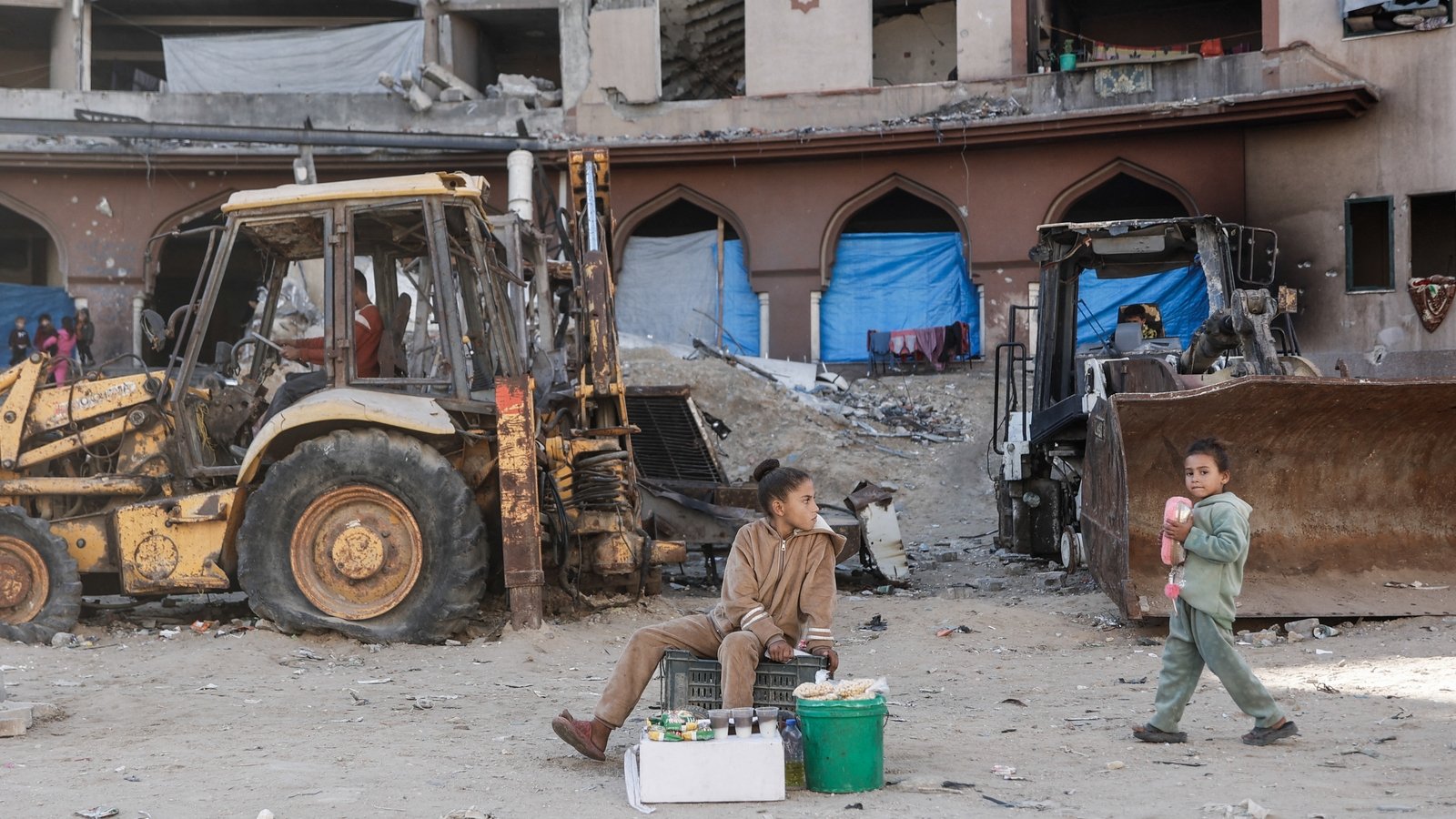
After months of closure, the Rafah crossing between Gaza and Egypt is poised to reopen, offering a critical lifeline for the besieged territory. this move, coordinated between Israel (through COGAT, its military arm overseeing humanitarian efforts), Egypt, and under the supervision of the European Union, mirrors a mechanism successfully used during a previous ceasefire in january. The reopening provides a glimmer of hope amidst a devastating conflict and a deepening humanitarian crisis.
The potential for passage in both directions is rooted in the 20-point plan brokered by former US president Donald Trump, which largely halted the two-year war between Israel and Hamas. Before the current conflict erupted, Rafah served as the primary exit and entry point for most Palestinians in Gaza, and a vital conduit for essential aid.
Currently, an estimated 16,500 patients in Gaza urgently require medical care outside the enclave, according to the United Nations. While some have been able to access treatment in Israel,the Rafah crossing’s reopening is desperately needed to alleviate the immense strain on Gaza’s healthcare system. “We have been waiting for the Rafah opening for months,” shared Tamer al-Burai, a Gaza businessman needing respiratory treatment abroad. “At last, I and thousands of other patients, may have a chance to receive proper treatment.”
A Conditional Reopening & The Hostage Issue
However, the reopening isn’t unconditional. Israel has maintained the closure as the October ceasefire, demanding Hamas fully comply with the agreement to return all hostages – both living and deceased – held within Gaza. Hamas has already released 20 living hostages in exchange for approximately 2,000 Palestinian detainees and prisoners.
Regrettably, the remains of two Israeli captives – a police officer and a Thai agricultural worker – remain in Gaza. Islamic Jihad, a Palestinian militant group allied with Hamas, is collaborating with the Red Cross to locate the body of one of thes individuals. Recent efforts by Hamas to return remains were unsuccessful, with forensic analysis in Israel confirming the delivered remains did not belong to either missing hostage.
Complexities Beyond the Crossing
While the Rafah crossing’s potential reopening is a significant step, substantial obstacles remain in achieving a lasting peace. the next phase of the ceasefire hinges on complex issues, including Hamas’s disarmament, Israel’s withdrawal from Gaza, establishing a governing structure for the enclave, and securing robust international security arrangements. Successfully navigating these challenges will be crucial to building a sustainable future for Gaza and its people.
Further Reading:
* Israeli minister argues with Irish ambassador over Herzog Park
* Netanyahu officially asks Israeli president for pardon
* Thousands march in Dublin in solidarity with Palestine