
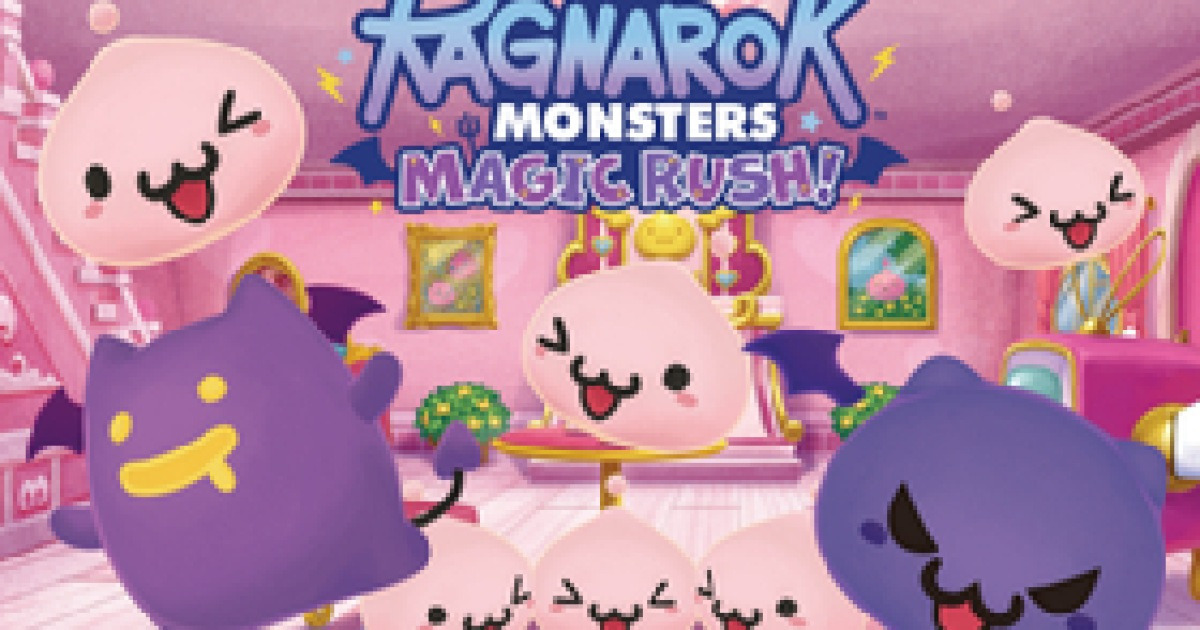
Gravity Co., Ltd. Is aggressively expanding its global footprint beyond the digital realm, signaling a strategic pivot toward a transmedia entertainment model. The gaming giant has announced its participation in the 2026 Licensing Expo in the United States, where it plans to showcase five of its major intellectual properties (IPs) to secure high-profile partnerships in animation, content creation, and brand collaborations.
The move represents a calculated effort to transition the company from a traditional game developer into a diversified IP holder. By bringing its portfolio to one of the world’s largest licensing events, Gravity aims to leverage the enduring popularity of its flagship titles to penetrate the North American market and diversify its revenue streams through non-gaming merchandise and media.
For industry observers, this expansion is a logical progression. While Gravity has long dominated specific regional markets, particularly in Asia, the shift toward “IP influence” indicates an ambition to mirror the success of global entertainment franchises that seamlessly blend gaming, television, and consumer products.
Strategic Diversification: Beyond the Game Console
The core objective of Gravity’s presence at the 2026 Licensing Expo is to extend the reach of its most valuable assets. While the company is best known for its gaming titles, the focus of this US venture is the expansion of these IPs into animation and brand collaborations. This strategy allows the company to engage with audiences who may not be active gamers but are attracted to the visual aesthetics and storytelling of its universes.
Licensing is a critical tool for global scaling. By partnering with established US brands and animation studios, Gravity can integrate its characters and worlds into the daily lives of consumers through apparel, toys, and streaming content. This approach reduces the reliance on direct game sales and creates a self-sustaining ecosystem where media adaptations drive new players back to the games, and vice versa.
The Licensing Expo serves as the primary gateway for this transition, providing Gravity with direct access to retail buyers, toy manufacturers, and media executives who specialize in scaling characters for a global audience.
The Power of the Ragnarok Legacy
Central to this expansion is the Ragnarok IP, a powerhouse that has already demonstrated immense versatility. Since its inception, Ragnarok Online has evolved from a PC phenomenon into a multi-platform franchise. The company’s ability to iterate on this single IP—launching various mobile versions and spin-offs—has provided the financial and brand stability necessary to pursue a broader transmedia strategy.

Gravity’s recent trajectory suggests a pattern of aggressive regional growth that is now being applied to the West. In Southeast Asia, the company has consistently reinforced its dominance by introducing new titles tailored to local preferences, including a series of anticipated releases in early 2025 designed to capture both “classic” gamers and new mobile users.
Gravity has begun exploring the intersection of gaming and blockchain technology. The introduction of titles like Ragnarok: Monster World on the Ronin network indicates a willingness to experiment with ownership and digital assets, further broadening the “utility” of their IP before it even hits the physical licensing market in the US.
Why Transmedia Matters in 2026
Gravity’s push into animation and brand partnerships arrives at a pivotal moment for the entertainment industry. We are currently seeing a “Golden Age” of gaming-to-screen adaptations. From the critical success of series based on The Last of Us to the box-office dominance of The Super Mario Bros. Movie, the blueprint for turning a game IP into a cultural mainstay is well-established.
For Gravity, the “Ragnarok” universe offers a rich mythology and a distinct art style that is highly conducive to animation. By focusing on “content” and “brand collaborations,” the company is not just selling a game; it is selling a lifestyle and a narrative world. Here’s essential for capturing the Gen Z and Gen Alpha demographics, who consume entertainment across fragmented platforms—TikTok, Netflix, and mobile games—simultaneously.
The decision to showcase five different IPs suggests that Gravity is also looking to diversify its risk. While Ragnarok is the primary engine, introducing four other properties allows the company to test which aesthetics and themes resonate most with American consumers, potentially discovering a new “sleeper hit” in the Western market.
Key Pillars of Gravity’s Global Expansion
| Strategic Pillar | Primary Goal | Target Mediums |
|---|---|---|
| Licensing | Global brand recognition | Merchandise, Apparel, Toys |
| Transmedia | Audience diversification | Animation, Streaming Series |
| Regional Scaling | Market penetration | North America, Southeast Asia |
| Tech Innovation | Modernizing ownership | Web3, Blockchain Gaming |
What This Means for the Global Gaming Market
Gravity’s move is a signal to other mid-sized gaming firms that the path to longevity lies in ownership rather than just development. When a company owns a beloved IP, they are no longer just a software vendor; they become a curator of a world. This shift in identity allows for more stable, long-term revenue through royalties and licensing fees, which are typically more predictable than the volatile “hit-or-miss” cycle of new game releases.

the focus on “brand collaborations” suggests that Gravity is looking for synergistic partnerships. This could range from high-fashion collaborations—similar to those seen with Fortnite or League of Legends—to crossovers with other established media franchises. Such moves elevate the IP from a “game” to a “cultural icon.”
As Gravity presents its five major IPs in the US, the industry will be watching closely to see which partnerships emerge. The success of this venture will likely depend on the company’s ability to translate the deep emotional connection Asian players have with their titles into a language that resonates with a diverse, global audience.
The next confirmed milestone for the company will be the formal announcement of the partnership deals resulting from the 2026 Licensing Expo, which are expected to detail the specific animation studios and retail brands that will bring Gravity’s worlds to the American public.
Do you think gaming IPs are the future of mainstream animation? Share your thoughts in the comments below or share this story with your fellow gamers.