
The intersection of elite sports management and cultural expression is rarely a seamless affair, and the recent narrative surrounding the Austrian national football team’s musical identity for the UEFA Euro 2024 tournament serves as a prime example of this friction. As the team prepared to make their mark on the international stage under the tactical guidance of head coach Ralf Rangnick, a debate surfaced regarding the official anthem—a situation that highlighted the delicate balance between team morale, traditional fan engagement, and the evolving professional standards of the Austrian Football Association (ÖFB).
For followers of international football, the selection of a tournament song is often a high-stakes public relations exercise. In the case of the Austrian squad, the transition from initial musical concepts to the final selection revealed not just a change in melody, but a shift in the internal culture fostered by Rangnick since he assumed his role in 2022. The “WM-Song-Tohuwabohu”—a term capturing the chaotic nature of the discourse—became a focal point for fans and critics alike, underscoring how deeply entrenched the national team is in the country’s cultural fabric.
The Rangnick Effect and Team Identity
Since his appointment as the head coach of the Austrian national team, Ralf Rangnick has been credited with instilling a high-intensity, disciplined philosophy that has fundamentally changed the squad’s performance metrics. According to official UEFA records, the team’s tactical evolution has been a primary focus, often leaving little room for distractions that do not align with the professional standards he demands. When the discussion surrounding the team’s musical representation reached a fever pitch, it was clear that the decision-making process had to reflect the same level of strategic foresight seen on the pitch.

The “Tohuwabohu” or confusion surrounding the song choice was not merely a matter of musical taste; it represented the tension between legacy fan expectations and the modern, streamlined approach of the current coaching staff. Rangnick’s focus remains squarely on performance, and as reported by Reuters, the team entered the tournament with a clear intent to move past off-field noise and focus on competitive outcomes. This approach has generally been received well by supporters who value the recent resurgence of the Austrian side in major tournaments.
Musical Traditions in International Football
The tradition of releasing tournament-specific songs is a hallmark of international football, often serving as a rallying cry for fans. However, the process is fraught with potential for public relations missteps. In Austria, the dialogue surrounding these anthems often involves a mix of local artists, fan organizations, and the ÖFB marketing team. The controversy, in this instance, stemmed from a perceived disconnect between the initial creative direction and the final, polished product presented to the public just before the tournament’s commencement.

the professionalization of the national team under Rangnick extends to all facets of the organization. The expectation of excellence is not limited to the 90 minutes of gameplay; it permeates the branding and public messaging associated with the ÖFB. By pivoting to a different song, the association aimed to align the team’s external image with the high-energy, high-pressure identity that Rangnick has cultivated since his tenure began in April 2022.
Key Takeaways: The Intersection of Sport and Culture
- Strategic Alignment: Under Ralf Rangnick, the Austrian team has prioritized professional consistency, which extended to the selection of their official tournament anthem.
- Fan Engagement: The “Tohuwabohu” highlighted the passion of the Austrian fanbase, who remain deeply invested in every aspect of the team’s participation in major international competitions.
- Professional Standards: The ÖFB’s decision to shift tracks signifies a commitment to ensuring that all public-facing elements of the team resonate with their current tactical and cultural identity.
Moving Forward: The Road Beyond the Song
While the musical debate provided a momentary distraction, the primary focus for the Austrian team remains their performance in the ongoing UEFA Euro 2024 cycle. The team’s ability to navigate such minor controversies without losing focus on their tactical objectives is a testament to the stability Rangnick has brought to the program. The integration of high-pressing football and a unified locker room culture remains the priority for the coaching staff and the players.

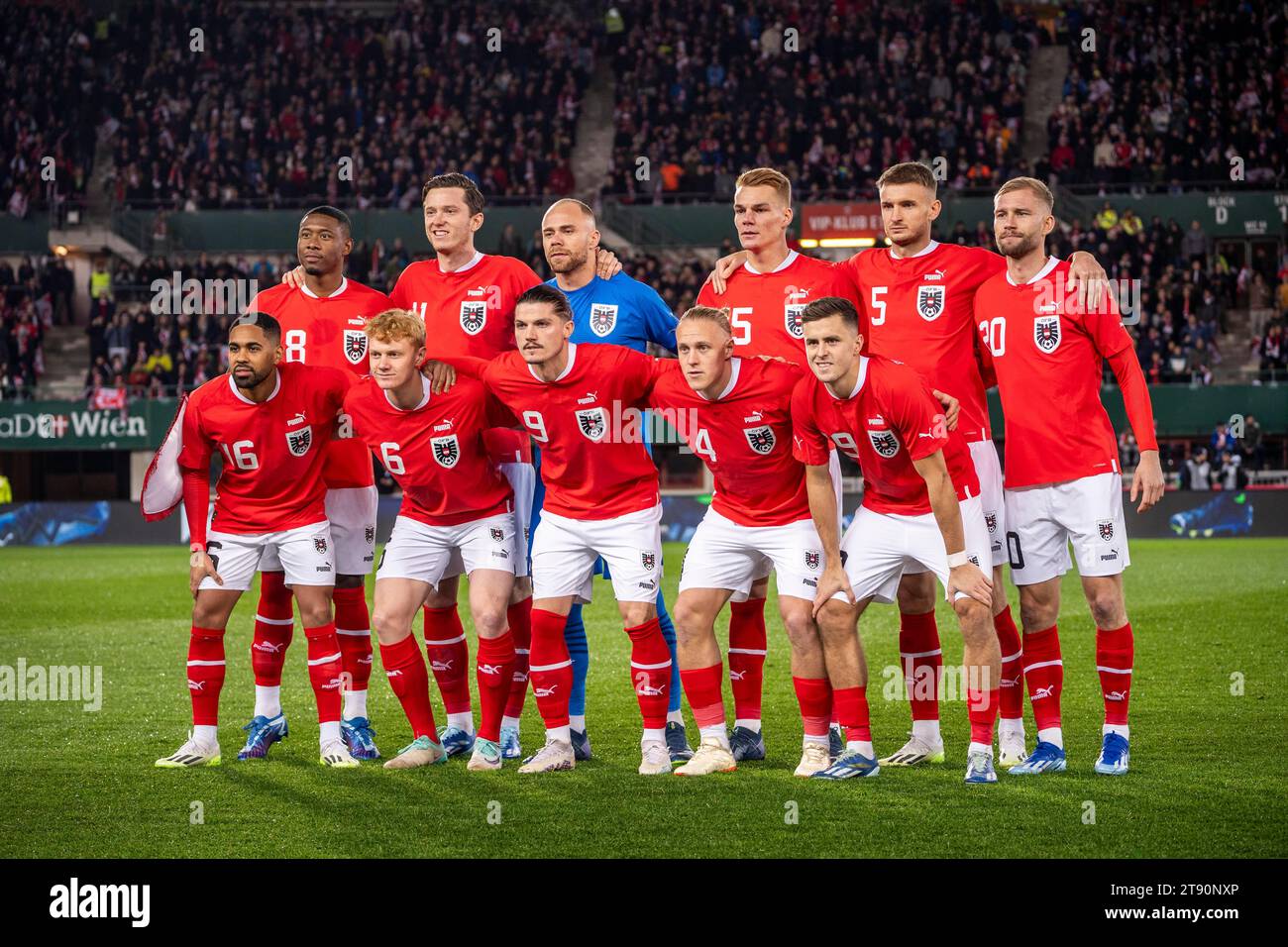
For the fans, the song is ultimately secondary to the performance on the pitch. As the tournament progresses, the focus will naturally shift back to results, player development, and the team’s standing within the European landscape. The Austrian Football Association continues to provide updates on official team activities, including media appearances and training schedules, through their official portal, which remains the most reliable source for fans seeking information on the squad’s journey.
The episode serves as a reminder that in the modern era of professional sports, every element of a team’s public persona is under the microscope. Whether it is a tactical formation or a tournament anthem, the goal is to maintain a coherent message that inspires both the players and the supporters. As we look ahead to the next series of matches, the “song controversy” will likely be remembered as a footnote in what has otherwise been a period of significant progress for Austrian football.
We invite our readers to share their thoughts on the role of music and culture in sports. How much influence should fans have on these decisions, and where should the line be drawn between team tradition and professional branding? Join the conversation in the comments section below.
The next official update regarding the Austrian national team’s training schedule and upcoming media availability is expected to be released via the ÖFB official channels following the conclusion of their current tournament stage.
Related reading