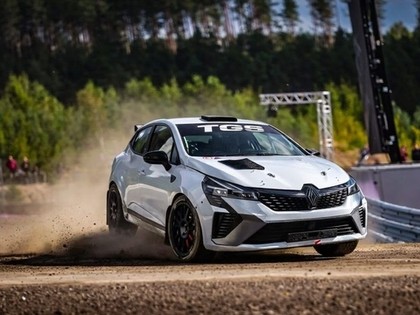
The world of rallycross is on the cusp of a significant transformation, one that promises to lower barriers to entry for competitors and reconnect the sport with its roots. For the first time in over three decades, rally-specification cars will return to international rallycross competition with the introduction of the RX4 category in the 2026 FIA European Rallycross Championship. This move allows drivers to compete in both rally and rallycross events using the same vehicle, a development heralded as a potential revolution in motorsport accessibility.
The Fédération Internationale de l’Automobile (FIA) has spearheaded this change, recognizing the need to revitalize rallycross and develop it more appealing to a wider range of drivers, and teams. The RX4 class will welcome Rally4 machinery, opening the door for a more affordable and accessible pathway into the sport. This initiative isn’t simply about cost reduction; it’s about reaffirming rallycross’s heritage, which historically featured cars closely related to those used in rally racing. The 2026 season is poised to be a landmark year, with the potential to significantly increase participation and inject fresh excitement into the championship.
A Return to Rally Roots: Introducing RX4
The core of this transformation lies in the RX4 category, designed to accommodate Rally4 cars with minimal modifications. These vehicles, weighing approximately 1080 kilograms and powered by 1.3-litre turbocharged engines, offer a competitive performance profile while drastically reducing the financial burden associated with traditional rallycross machinery. According to the FIA, the anticipated cost of an RX4 car is around €70,000, a substantial decrease compared to the specialized vehicles previously dominating the rallycross scene. This affordability is a key factor in attracting new competitors and fostering a more diverse field of drivers.
The transition from rally to rallycross with an RX4 car is remarkably straightforward. FIA technical expert Mateo Romano explained that the process involves removing components unnecessary for rallycross, such as the passenger seat, headlights, and spare wheel. Minor additions, like the option to replace glass with polycarbonate windows and adjust the minimum weight, complete the conversion. Crucially, the core components – including the wheels and tires – remain unchanged, streamlining the process and minimizing costs. This simplicity is intentional, aiming to create a seamless experience for drivers who wish to compete in both disciplines.
The 2026 FIA European Rallycross Championship: A New Era
The 2026 FIA European Rallycross Championship, the successor to the World Rallycross Championship after its conclusion in 2025, will feature four classes: RX1, RX3, RX4, and the newly introduced RX5. The championship calendar, announced by the FIA on November 28, 2025, comprises six rounds, beginning on May 9th at the Biķernieku Kompleksā Sporta Bāze in Latvia and concluding on September 13th at the Circuito Automóvel de Lousada in Portugal. Notably, the Euro RX of Ireland at Mondello Park will return to the calendar for the first time since 1996, adding a historic element to the season.
The introduction of RX4 isn’t the only significant development. The RX5 category is also being launched as a talent development and discovery platform, offering a cost-controlled class to help emerging drivers progress within rallycross. This dual-pronged approach – lowering the entry barrier with RX4 and nurturing future talent with RX5 – demonstrates the FIA’s commitment to the long-term health and sustainability of the sport. The FIA has also announced plans to establish the Rallycross World Cup, a non-championship event designed to bring together top drivers from around the globe.
A Broader Vision: Aligning Rally and Rallycross
This shift towards rally-based cars is part of a larger, long-term vision by the FIA to harmonize the regulations between rally and rallycross. Looking ahead to 2028, the top classes of both the World Rally Championship (WRC) and RX are slated to utilize a common technical platform. This move is intended to strengthen manufacturer involvement and provide a clearer development pathway for teams and drivers. FIA rallycross sport manager James Nixon emphasized the versatility of rally cars, contrasting them with the highly specialized, powerful vehicles that previously defined rallycross. “Now the idea is to move towards rally-based cars,” he stated.
The decision to embrace Rally4 cars wasn’t taken lightly. Nixon explained that the FIA needed to quickly determine a path forward for the sport, recognizing the potential of rally cars to be adaptable to the demands of rallycross. The goal, as Romano articulated, was to make the transition as simple as possible: “If you already have a Rally4 car, just follow the Rally4 technical regulations also in RX4 class. Remove some parts and you’re ready.” This streamlined approach is designed to encourage drivers to participate in both rally and rallycross events, potentially creating a revolutionary crossover effect.
Testing conducted in Finland yielded positive results, with drivers praising the ease of handling and the responsiveness of the RX4 cars. Tommi Hallman, who tested the vehicle, noted its accessibility and the ability to quickly reach its performance limits. “If the driver is able to drive on the limit, there will be exciting fights on the track. The fans will like it, I am 100% sure,” he commented. This feedback underscores the potential of RX4 to deliver thrilling competition and attract a wider audience.
Impact and Future Outlook
The introduction of RX4 is expected to have a ripple effect throughout the rallycross community. By lowering the cost of entry, it opens the door for a new generation of drivers and teams to participate in the sport. The creation of a viable used car market is another anticipated benefit, providing affordable options for those looking to get involved. Nixon believes that the widespread availability of Rally4 cars will further facilitate this transition, making it easier for drivers to “arrive and drive” in either rally or rallycross.
The FIA’s commitment to aligning rally and rallycross regulations extends beyond the RX4 and RX5 categories. The planned adoption of a common technical platform for WRC and RX cars in 2028 represents a significant step towards greater collaboration and synergy between the two disciplines. This move is expected to attract increased manufacturer investment and provide a more coherent development pathway for drivers and teams. The future of rallycross appears brighter than ever, with a renewed focus on accessibility, affordability, and a return to its rally-inspired roots.
The next major milestone for the FIA European Rallycross Championship will be the commencement of the 2026 season in Latvia on May 9th. Fans and competitors alike are eagerly anticipating the debut of the RX4 category and the start of a new era in rallycross. Stay tuned to the official FIA World Rallycross website for the latest updates, schedules, and results. We encourage you to share your thoughts on this exciting development in the comments below.
Related reading