
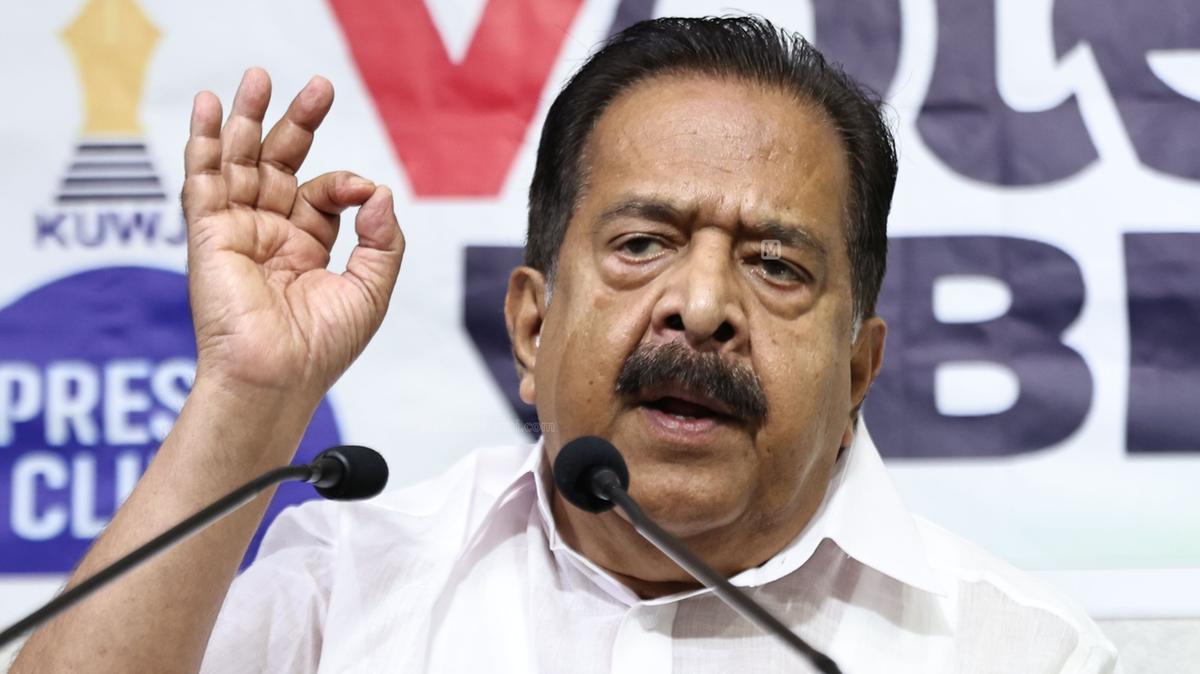
The Indian National Congress (INC) in Kerala is currently navigating a period of internal friction as senior leader Ramesh Chennithala has expressed profound dissatisfaction regarding the party’s internal leadership dynamics. The tension centers on the perceived disregard for political seniority and the emotional toll of being overlooked despite a history of adherence to party discipline.
At the heart of the dispute is the appointment and maintenance of the Leader of the Opposition (LoP) role in the Kerala Legislative Assembly. Ramesh Chennithala, a veteran politician and former holder of the position, has reportedly voiced grievances that his experience and loyalty to the party were not sufficiently weighed during recent leadership calibrations. This internal rift comes at a critical time for the opposition as it seeks to present a unified front against the ruling coalition in the state.
The situation reached a tipping point when Chennithala reportedly bypassed a scheduled legislative party meeting in Thiruvananthapuram. His absence from the gathering is viewed by political analysts as a symbolic gesture of protest, signaling a breakdown in communication between the state leadership and one of its most prominent faces. Following the decision to skip the meeting, Chennithala departed the capital, returning to his home region and visiting religious sites, further emphasizing his detachment from the current administrative mood of the party.
The Seniority Dispute and Leadership Friction
The core of the grievance lies in the appointment of V.D. Satheesan as the Leader of the Opposition. In the hierarchical structure of the Indian National Congress, seniority often plays a pivotal role in determining leadership assignments. Chennithala, who has served as a Member of the Legislative Assembly (MLA) from the Haripad constituency, argues that his tenure and contributions to the party should have afforded him a more central role or a different consideration in the leadership hierarchy.

Political discipline is a cornerstone of the INC’s operational framework, and Chennithala has emphasized that he maintained strict adherence to party mandates throughout his career. The feeling of being “ignored” despite this discipline has created a narrative of perceived betrayal, which is now playing out in the public eye. This is not merely a personal dispute but a reflection of a broader struggle within the Kerala Congress to balance the influence of veteran leaders with the need for new leadership faces.
Reports indicate that the dissatisfaction extended to the highest levels of the party’s national leadership. Chennithala reportedly contacted Rahul Gandhi via telephone to directly communicate his disappointment. By escalating the matter to the national leadership, Chennithala has signaled that he views the local leadership’s decision as an injustice that requires intervention from the party’s central command.
Impact on Opposition Unity in Kerala
The public nature of this discontent poses a strategic challenge for the Congress party in Kerala. When senior leaders express openness about their grievances, it often encourages factionalism within the rank and file. The tension between the camps of V.D. Satheesan and Ramesh Chennithala could potentially dilute the opposition’s effectiveness in the Legislative Assembly, as internal disputes often overshadow policy critiques of the government.
For the global observer, this conflict illustrates the complexities of internal democracy within large political organizations in India. The balance between “merit,” “seniority,” and “loyalty” is rarely settled and often leads to periodic volatility. In the context of Kerala’s highly polarized political landscape, any sign of weakness or division within the opposition is typically leveraged by the ruling party to consolidate power.
The departure of Chennithala from Thiruvananthapuram without engaging with the media—reportedly leaving his residence through a back door to avoid press inquiries—underscores the volatility of the situation. Such actions suggest a desire to avoid making inflammatory public statements while still ensuring that the party leadership is aware of his profound unhappiness.
Who is Ramesh Chennithala?
Ramesh Chennithala is one of the most recognizable figures in Kerala politics. Having served as the Leader of the Opposition previously, he is known for his aggressive parliamentary style and his ability to mobilize the party’s grassroots workers. His influence in the Alappuzha district, particularly within the Haripad constituency, remains significant.
Throughout his career, Chennithala has been viewed as a reliable lieutenant for the party, often taking on the most challenging political battles. His current frustration is rooted in the belief that such a track record should guarantee a level of respect and consideration that he feels has been absent in the current leadership cycle.
Key Political Context
- The Role of LoP: The Leader of the Opposition is the primary voice of the minority parties in the assembly, responsible for holding the government accountable.
- Party Discipline: In the INC, “discipline” refers to the ability of a member to follow the party line even when it conflicts with personal ambition.
- Constituency Influence: The Haripad seat is a critical stronghold, and Chennithala’s standing there gives him significant leverage within the state unit.
What Happens Next?
The resolution of this conflict depends largely on the intervention of the Congress High Command in New Delhi. If the national leadership perceives the rift as a threat to the party’s electoral prospects in Kerala, they may broker a compromise or redistribute responsibilities to appease the veteran leader.

However, if the state leadership maintains its current course, the party risks a prolonged period of internal instability. The next critical checkpoint will be the upcoming legislative sessions, where the coordination—or lack thereof—between the LoP and other senior members like Chennithala will be on full display.
As of now, there has been no official statement from the Kerala Pradesh Congress Committee (KPCC) regarding the specific grievances raised by Chennithala. The party’s silence suggests a preference for resolving the matter behind closed doors rather than engaging in a public debate over seniority.
We will continue to monitor official party communications and legislative activities for updates on this leadership transition. We invite our readers to share their thoughts on the balance of seniority versus new leadership in political organizations in the comments section below.