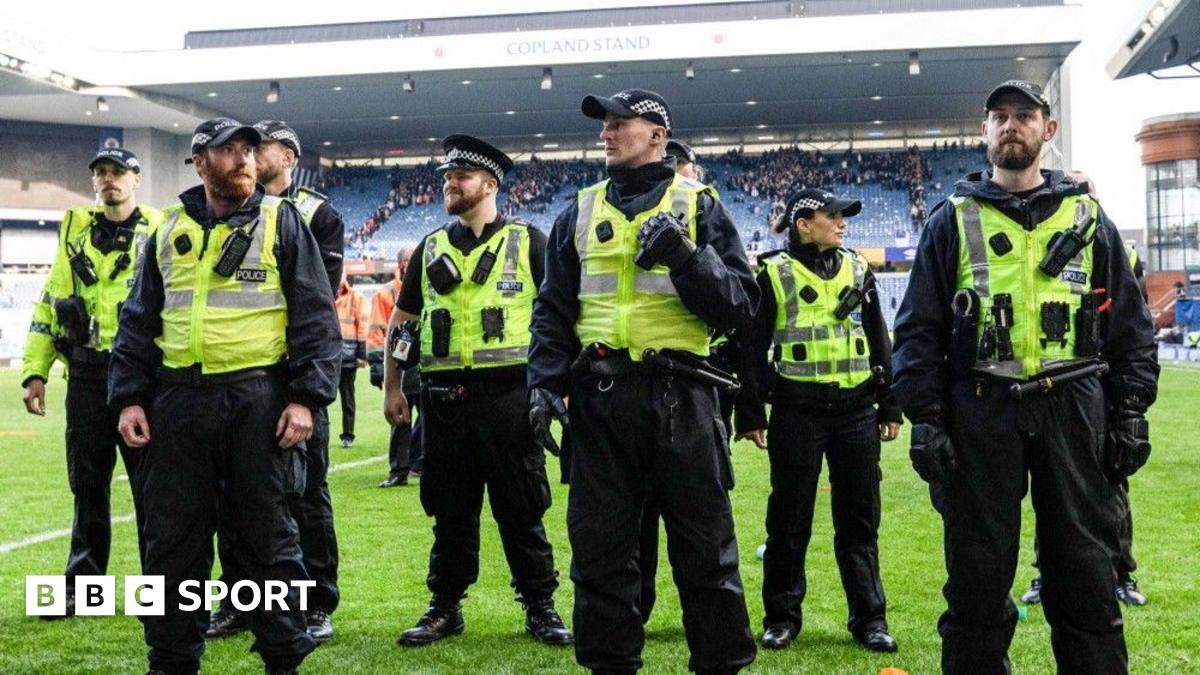
Glasgow, Scotland – The fallout from a volatile Old Firm derby continues as both Rangers and Celtic football clubs address the disorder that marred their Scottish Cup quarter-final clash at Ibrox Stadium on Sunday. The Scottish Football Association (SFA) has launched an independent review into the events, promising a thorough examination of the circumstances surrounding the match, which saw pitch invasions and clashes between supporters. The incident has sparked widespread condemnation and raised serious questions about safety and security at Scottish football grounds.
The match itself ended in a 0-0 draw, with Celtic ultimately winning 4-2 in a penalty shootout. However, the on-field result was overshadowed by the scenes that unfolded after the final whistle. Supporters from both sides entered the pitch, leading to confrontations and requiring police intervention. The events have prompted calls for stricter measures to prevent future incidents and ensure the safety of players and fans. This latest disturbance in the long-standing rivalry between Rangers and Celtic underscores the challenges of managing passionate fan bases and maintaining order during high-stakes matches.
Rangers Demand Scrutiny, Condemn Disorder
Rangers were the first to issue a comprehensive statement on Thursday, four days after the incident, responding to criticism for their initial silence. The club unequivocally condemned the disorder, describing it as “unacceptable” and welcoming the SFA-commissioned independent review. Rangers emphasized that “all parties must be prepared to have their actions and decision-making subjected to proper scrutiny,” signaling a willingness to cooperate fully with the investigation. Sky Sports reports that the club intends to “represent the club and our supporters robustly” during the inquiry.
The Ibrox club’s statement called for a “thorough and wide-ranging” review, encompassing all aspects of the matchday experience, “from the initial decisions on ticket allocations through to the sequence of incidents that followed the match.” Rangers also announced their intention to take disciplinary action against individuals identified as being involved in the disorder, stating they will consider “the potential withdrawal of ticketing privileges and stadium bans.” This firm stance reflects the club’s commitment to addressing the unacceptable behavior and preventing similar incidents in the future.
Adding a deeply concerning dimension to the situation, Rangers revealed they were “appalled” to discover graffiti mocking the Ibrox disaster. The Ibrox disaster, which occurred on January 2, 1971, resulted in the tragic deaths of 66 supporters following a crush on Stairway 13 at the stadium. The club’s statement powerfully condemned the graffiti as “vile,” “cowardly,” and “shameful,” emphasizing that it was “the abuse of a tragedy that claimed 66 lives” and “not football rivalry.” This act of vandalism has understandably caused outrage and further fueled tensions surrounding the incident.
Celtic Await Response on Fan Group Re-entry
Celtic also released a statement addressing the events at Ibrox, expressing their concern over pre-match access arrangements for their supporters. The club stated they are awaiting a response from the Green Brigade, a well-known organized supporters’ group, regarding safety and security measures. These measures are required by both Police Scotland and the Glasgow City Council’s Safety Advisory Group, and are a prerequisite for the club to “advocate re-entry” of the Green Brigade to Celtic Park. The Green Brigade has been subject to restrictions in recent years due to concerns over their behavior and displays.
The club’s position highlights the complex relationship between football clubs and their supporters’ groups, and the challenges of balancing fan passion with safety and security concerns. The re-entry of the Green Brigade is contingent upon the group demonstrating a commitment to adhering to safety regulations and maintaining order at matches. The Scotsman reports that the Scottish Cup regulations allow away teams to request up to 20% of tickets, a point likely relevant to the discussions surrounding access and allocation for supporters.
SFA Launches Independent Review, Investigation Underway
The Scottish Football Association (SFA) has taken swift action in response to the disorder, launching an independent review to investigate the events at Ibrox. The review will examine the decisions and actions of all relevant parties, including the clubs, security personnel, and police. The SFA’s statement, as reported by CBS Sports, condemned the behavior of supporters entering the field of play and confirmed that an investigation would begin immediately, in line with the Judicial Panel Protocol.
The investigation will likely focus on several key areas, including the adequacy of security measures at Ibrox, the effectiveness of crowd control procedures, and the response of police to the pitch invasion. The SFA will also consider the broader context surrounding the match, including the historical rivalry between Rangers and Celtic and the potential for heightened tensions during Old Firm derbies. The outcome of the review could lead to significant changes in how Scottish football matches are policed and managed, with a focus on preventing future incidents of disorder.
Police Scotland confirmed that officers were injured during the clashes and that several arrests were made. Whereas the exact number of arrests hasn’t been officially released, authorities are reviewing footage and gathering evidence to identify and prosecute those involved in the violence. The incident serves as a stark reminder of the potential for football matches to become flashpoints for disorder and the importance of robust security measures to protect players, fans, and officials.
Old Firm Rivalry: A History of Tension
The rivalry between Rangers and Celtic, known as the Old Firm, is one of the most intense and deeply rooted in world football. The clubs represent different religious and cultural traditions in Scotland, with Rangers historically associated with the Protestant community and Celtic with the Catholic community. This historical context has contributed to the often-heated atmosphere surrounding matches between the two teams. The rivalry extends beyond the pitch, encompassing social, political, and cultural dimensions.
Throughout their history, matches between Rangers and Celtic have been marred by incidents of violence and disorder. In recent years, both clubs have worked to promote a more inclusive and respectful environment, but tensions remain high, particularly during high-stakes matches like the Scottish Cup quarter-final. The events at Ibrox serve as a sobering reminder of the challenges of managing this intense rivalry and ensuring the safety of all those involved.
The Scottish Cup quarter-final clash at Ibrox was particularly significant, with 7,500 Celtic fans in attendance – the largest travelling contingent at the ground since 2018. This large number of away supporters likely contributed to the heightened tensions and the challenges faced by security personnel in maintaining order.
Key Takeaways:
- Both Rangers and Celtic have condemned the disorder that occurred at Ibrox Stadium following their Scottish Cup quarter-final.
- The Scottish Football Association (SFA) has launched an independent review to investigate the events.
- Rangers are demanding scrutiny of all parties involved and have vowed to take disciplinary action against those identified as being involved in the disorder.
- Celtic are awaiting a response from the Green Brigade regarding safety and security measures.
- The incident highlights the ongoing challenges of managing the intense Old Firm rivalry and ensuring the safety of players and fans.
The independent review is expected to deliver its findings in the coming weeks. The SFA has not yet announced a specific timeline, but officials have emphasized the importance of a thorough and impartial investigation. The outcome of the review will likely have significant implications for the future of Scottish football, potentially leading to changes in security protocols, ticketing arrangements, and disciplinary procedures. The focus now shifts to the investigation and the hope that lessons will be learned to prevent similar incidents from occurring in the future.
The World Today Journal will continue to follow this developing story and provide updates as they become available. We encourage readers to share their thoughts and perspectives on this important issue in the comments section below.
Keep reading