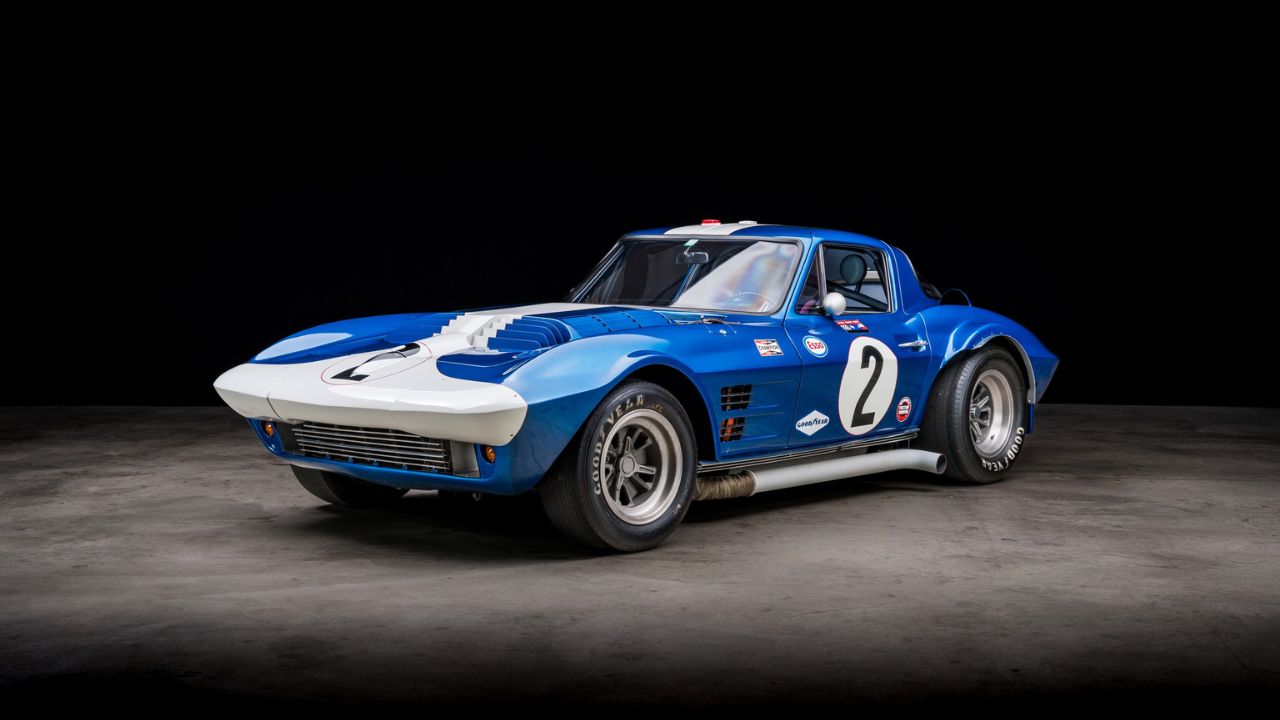
A rare 1963 Chevrolet Corvette Grand Sport, one of only five ever produced, has surfaced as a potential centerpiece for the collector car market, with industry analysts suggesting its value could exceed €11 million ($12 million USD) should it reach a public auction. This vehicle represents a pinnacle of American automotive engineering from the 1960s, originally commissioned by Zora Arkus-Duntov to compete on the international stage against the likes of Ferrari and Shelby.
The Grand Sport project was designed to be a lightweight, high-performance racing variant of the second-generation Corvette. According to historical records maintained by the National Corvette Museum, the program was abruptly halted by General Motors management in 1963 due to the company’s internal policy against factory-sponsored racing. This decision limited the production run to just five chassis, making them among the most sought-after vehicles in automotive history.
The Engineering Legacy of the Grand Sport
The 1963 Grand Sport was engineered specifically for endurance racing, utilizing a unique lightweight tube-frame chassis and an aluminum-block 377-cubic-inch V8 engine. Unlike the production Sting Ray models of the era, the Grand Sport featured a thinner fiberglass body and extensive weight-saving measures, bringing its total weight to approximately 1,900 pounds, as noted by the GM Heritage Center. This power-to-weight ratio allowed the car to achieve performance metrics that were revolutionary for the early 1960s.

Because GM officially withdrew from the project, the five original cars were dispersed to private racing teams and individual owners. Over the decades, these vehicles have become “holy grails” for high-end collectors. The rarity of the surviving examples, combined with their documented racing pedigree, has consistently driven valuations into the eight-figure range when they occasionally change hands, according to market reports from Hagerty.
Market Valuation and Collector Demand
The estimate of €11 million reflects the scarcity of the Grand Sport in the current market. High-net-worth collectors often view such vehicles not merely as automobiles, but as blue-chip assets. The value is largely determined by provenance—the documented history of who owned the car, where it raced, and how much of the original factory components remain intact.
While the specific car referenced has not been officially listed on a public auction block as of early 2024, the anticipation surrounding its potential sale underscores the continued strength of the vintage racing market. Collectors prioritize original chassis numbers and engine blocks when vetting these vehicles, as replicas—often called “tribute cars”—are common in the Corvette community. Authenticity remains the primary factor in determining if a sale reaches the €10 million threshold, as established by auction results at major houses like RM Sotheby’s.
Understanding the Racing Provenance
The Grand Sport’s significance is rooted in its intended purpose: to dominate the FIA GT class. Although the factory program was cut short, the five cars were campaigned by privateers in events such as the 12 Hours of Sebring and the Nassau Speed Weeks. Their performance during these events cemented their reputation as formidable competitors against the established European manufacturers.
For modern enthusiasts, the Grand Sport serves as a reminder of a specific era in American automotive design where engineers pushed the boundaries of performance despite corporate restrictions. As these vehicles continue to appreciate, they serve as a benchmark for the highest level of automotive investment. The market for such rare machinery remains relatively insulated from broader economic fluctuations, as the limited supply of five units ensures that demand will likely exceed availability indefinitely.
Investors and collectors looking for updates on the potential sale of such a rare asset should monitor official filings from major international auction houses, which typically announce the provenance and technical verification of such historic vehicles months in advance of a sale. If you have insights into the history of the original five chassis or wish to discuss the evolution of the Corvette racing program, please join the conversation below.
Related reading