
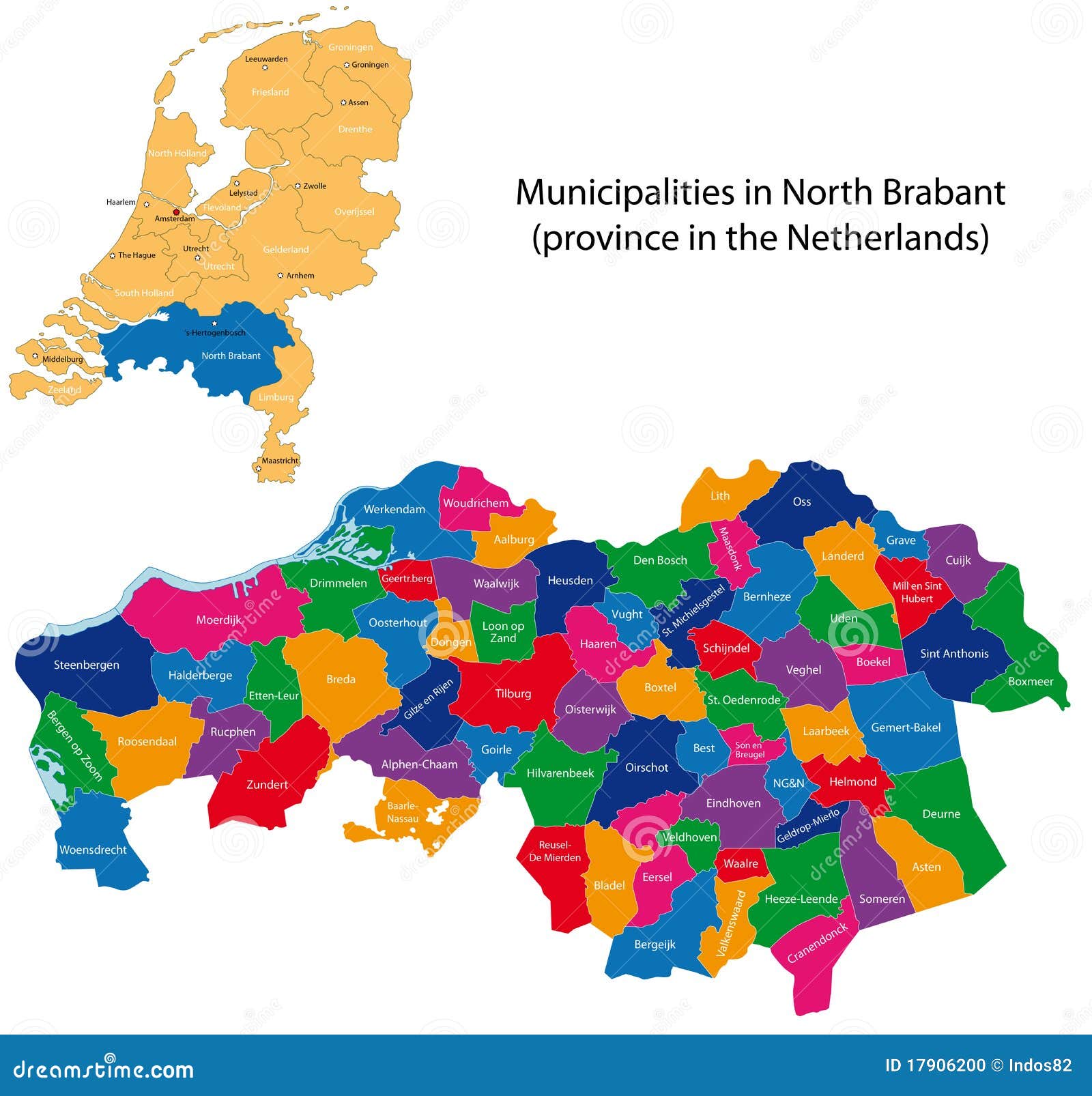
A rare beetle species, long considered absent from the North Brabant province in the Netherlands, has been documented again after a local resident captured a high-resolution photograph of the insect. The sighting provides new data for entomologists monitoring biodiversity in the region, where habitat loss and environmental changes have historically pressured native invertebrate populations.
The identification of the beetle, which has not been officially recorded in the area for several years, highlights the role of citizen science in tracking regional ecological shifts. According to records maintained by the Dutch national biodiversity database Waarneming.nl, the documentation of such rare species relies heavily on reports from the public to supplement professional field surveys. The sighting, confirmed by experts analyzing the photographic evidence, underscores the ongoing efforts of conservationists to preserve the delicate balance of local insect life.
Understanding the Regional Ecological Context
North Brabant has historically served as a critical habitat for various coleoptera, or beetle species, many of which are sensitive to changes in soil moisture and vegetation. The return of a species previously thought to be absent from the province suggests either a successful migration or, more likely, the persistence of a small, undetected population that has managed to survive in a micro-habitat suitable for its life cycle. Invertebrate populations often fluctuate based on agricultural practices and the preservation of hedgerows and forest edges, which provide essential shelter and food sources.
The decline of insect biodiversity is a documented global concern, with habitat fragmentation frequently cited as a primary driver. In the Netherlands, the Wageningen University & Research (WUR) provides extensive data on how land-use intensity directly impacts the presence of rare beetle species. By mapping these sightings, researchers can determine whether such occurrences are isolated incidents or indicators of a broader, positive trend in regional environmental recovery.
The Role of Citizen Science in Conservation
Citizen science has become an indispensable tool for modern ecology. When individuals photograph and report rare sightings, they provide researchers with precise geographical and temporal data that would otherwise be impossible to collect due to the limited number of professional biologists in the field. This collaborative approach allows for a faster response when it comes to identifying potential “hotspots” for conservation.
Organizations like the EIS Knowledge Centre for Insects in the Netherlands play a vital role in validating these reports. By verifying the species through photographic evidence, these institutions ensure that the data integrated into national databases remains accurate. This process is essential for informing provincial policy on land management, as documented in the official nature policy frameworks of North Brabant, which aim to protect threatened species through targeted habitat restoration projects.
Why Rare Beetle Sightings Matter
Beetles act as “indicator species,” meaning their presence or absence serves as a barometer for the overall health of an ecosystem. Because they occupy various niches—from decomposers that turn over soil to predators that control other insect populations—their return to a landscape often signals an improvement in habitat quality, such as an increase in native plant diversity or a reduction in pesticide usage.

For the residents of North Brabant, such sightings offer a tangible connection to local biodiversity. Experts emphasize that the protection of these insects is not merely about preserving a single species, but about maintaining the complex food webs that support everything from local bird populations to the success of regional agriculture. Maintaining accurate records of these sightings allows authorities to adjust conservation strategies in real-time, ensuring that protected zones are functioning as intended.
Looking Ahead: Future Monitoring Efforts
The next phase for environmental agencies in the region involves conducting follow-up field surveys to determine the scale of the beetle population. These surveys are typically scheduled during the insect’s peak activity months to maximize the likelihood of a successful count. Data gathered during these periods will be reviewed by the provincial government to assess if additional protective measures, such as restricted land use or buffer zone expansion, are necessary to support the species’ long-term survival.
Readers interested in contributing to these monitoring efforts are encouraged to upload their own wildlife observations to established national platforms, which feed directly into regional conservation databases. By documenting observations, citizens play a direct role in the ongoing effort to understand and protect the diverse insect life residing within the Netherlands. Updates on regional biodiversity initiatives are regularly published via the official provincial website, where citizens can find information on upcoming ecological reports and public consultation sessions.
Have you spotted rare wildlife in your area? Share your observations in the comments below and join the conversation on the importance of local biodiversity.
Keep reading