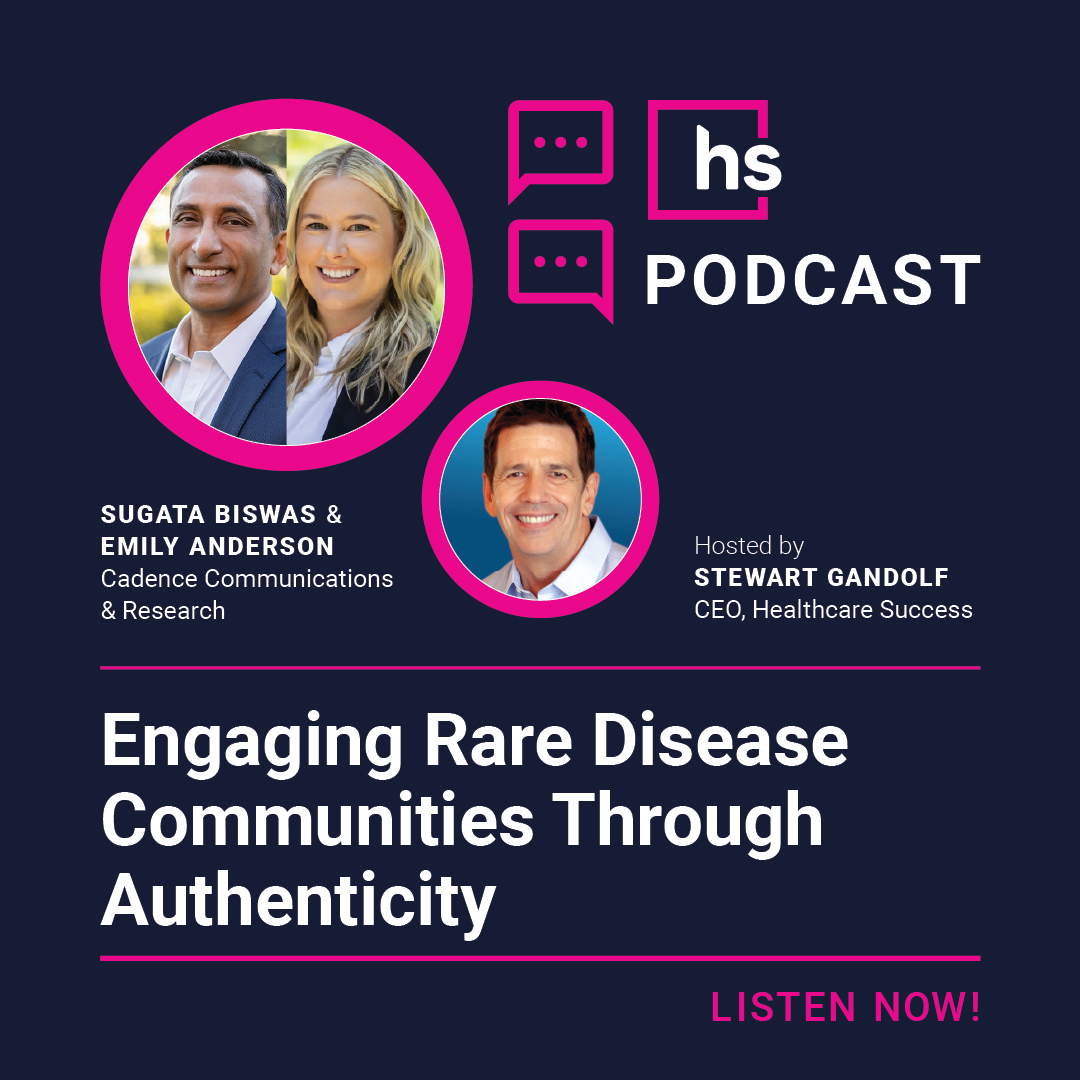
Navigating the Complexities of Rare Disease Research: A Human-Centered Approach
Rare diseases impact millions globally, yet understanding thier nuances and effectively reaching affected communities remains a significant challenge.In a recent discussion,experts from Cadence Research – sugata Biswas and Emily Anderson – shared invaluable insights into the intricacies of conducting research within this sensitive landscape. This article distills their wisdom, offering guidance for researchers, healthcare professionals, and anyone seeking to better understand the rare disease experience.
The Rise of AI & The Enduring Need for Human Connection
The digital age offers exciting new tools for data gathering, including Artificial Intelligence. while AI can be helpful in explaining complex medical information, it’s crucial to remember it’s limitations. As one participant noted, relying solely on AI risks losing the vital “human touch.”
Recent surveys reveal a hesitancy among many to fully trust AI-generated health information, highlighting the continued importance of credible, human-led research. You need to consider that while AI can provide information, it can’t build trust.
Understanding the Diversity Within rare Disease Communities
A core takeaway from the conversation was the critical need to avoid generalizations. Patients and caregivers living with rare diseases are not a homogenous group. Their experiences, even with the same diagnosis, can vary dramatically.
Consider these key points:
* Symptom Variability: Even within a single rare disease, symptom presentation and severity can differ considerably.
* Tech Savviness: Not all patients and caregivers are comfortable or familiar with technology, including AI tools.
* Individual Needs: Approaching research with a one-size-fits-all mentality is ineffective and perhaps harmful.
This underscores the importance of a nuanced, individualized approach to research.
Essential Principles for Ethical & Effective Rare Disease Research
Cadence Research emphasized a set of guiding principles for anyone engaging with rare disease communities:
* Caution: Recognize the vulnerability of individuals and families affected by rare diseases.
* Sincerity: Demonstrate genuine empathy and a commitment to understanding their experiences.
* Authenticity: Be transparent about your research goals and methods.
* A Learning Mindset: Approach interactions with a willingness to listen and learn from patients and caregivers.
Your goal should always be to empower these communities, not simply extract data.
How Cadence Research Supports the Rare Disease Community
Cadence Research specializes in providing valuable insights into the rare disease experience. They offer a range of services designed to help organizations connect with and understand these unique populations.
Here’s how you can learn more and connect with their team:
* website: cadencecr.com – Explore detailed information about their services and view case studies.
* LinkedIn: Connect with Cadence Research on LinkedIn for updates and industry insights.
* Email:
* Sugata Biswas: [email protected]
* Emily Anderson: [email protected]
They are dedicated to fostering collaboration and providing support to those navigating the complexities of rare disease research.
The Importance of Genuine Connection
The conversation concluded with a powerful reminder of the human element in research. Genuine connection, empathy, and a commitment to understanding individual experiences are paramount.
As one participant shared, finding partners who are “genuine, easy to work with” is invaluable. By prioritizing these qualities, you can build trust, foster meaningful collaboration, and ultimately, contribute to improved outcomes for those affected by rare diseases.
This isn’t just about data; it’s about people. And remembering that is the key to truly impactful research.
Disclaimer: This article is based on a transcribed conversation and aims to provide a summary of key insights. It is not intended to provide medical advice. Always consult with a qualified healthcare professional for any health concerns.
Keep reading