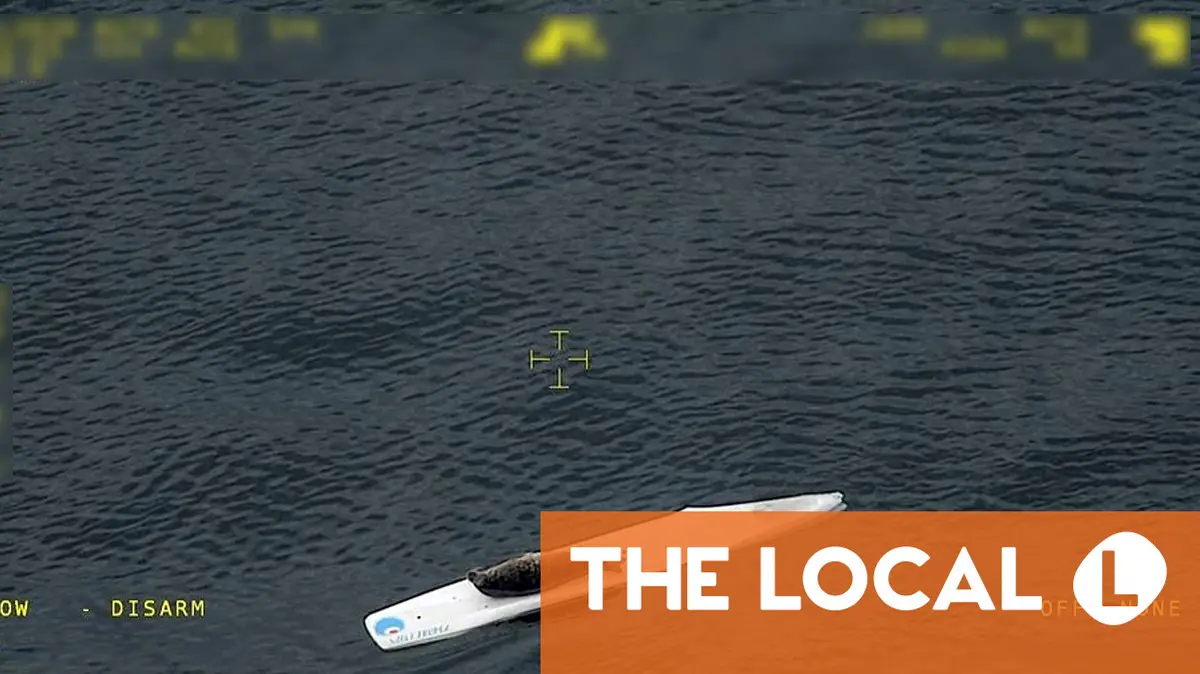
A harbor seal recently captured the attention of maritime authorities in southern Sweden after being photographed resting on an abandoned surfboard in Hanö Bay. The unusual sight, which occurred in the Baltic Sea waters, prompted a response from local coastguards who noted the rarity of the behavior. While seals are frequently observed hauling out on rocks or sandbanks, the use of human recreational equipment as a temporary platform remains an atypical occurrence for the species in the region.
The image, which has circulated widely among regional maritime observers, depicts the animal utilizing the buoyant surface of the board to remain above the waterline. According to the Swedish Coast Guard (Kustbevakningen), which maintains operational oversight of the nation’s maritime safety and environmental protection in the Baltic, such interactions between marine wildlife and discarded leisure gear are not standard documented behaviors. The agency has historically monitored the coastal waters of Hanö Bay, a significant maritime area located between the provinces of Blekinge and Skåne, for both navigational safety and environmental incidents.
Harbor seals (Phoca vitulina) are native to the Swedish coastline, where they are protected under national environmental regulations. The Swedish Environmental Protection Agency (Naturvårdsverket) classifies these populations as integral components of the Baltic marine ecosystem. Research published by the Swedish Museum of Natural History indicates that while these seals are highly adaptable, their resting habits are typically dictated by the availability of stable, undisturbed natural surfaces. The presence of the animal on a surfboard highlights the ongoing challenge of marine debris in the Baltic Sea, a body of water that faces documented pressures from plastic waste and abandoned fishing gear.
Marine Wildlife and Human Interaction in the Baltic
The incident in Hanö Bay underscores the increasing overlap between coastal human activity and marine life. As recreational water sports, including surfing and paddleboarding, gain popularity along the southern Swedish coast, the potential for wildlife to encounter floating equipment has risen. Biologists observing Baltic seal populations note that seals are naturally curious animals; however, they generally maintain a cautious distance from humans. The choice to board the surfboard suggests a need for a secure resting spot, particularly if natural haul-out sites were unavailable or disturbed by nearby vessel traffic.
The Swedish Coast Guard frequently issues guidance regarding marine debris, emphasizing that abandoned equipment can pose entanglement risks to marine mammals and seabirds. Under the Swedish Maritime Administration’s safety protocols, any large items identified as navigational hazards are tracked and, where feasible, recovered. The agency’s response to the seal sighting serves as a reminder of the importance of securing personal watercraft and equipment to prevent them from becoming hazards in the open sea.
Environmental Status of Hanö Bay Seal Populations
Hanö Bay is recognized as a vital habitat for various marine species, including the harbor seal and the grey seal. The population dynamics in this area are monitored periodically to ensure compliance with the European Union’s Marine Strategy Framework Directive, which mandates that member states maintain “Good Environmental Status” for their marine waters. Data from the Baltic Marine Environment Protection Commission (HELCOM) shows that seal populations in the Baltic have shown signs of recovery over the last two decades, following significant historical declines attributed to hunting and environmental pollutants.
For the harbor seal, the availability of resting sites is a limiting factor for population growth. These animals require periods of inactivity on land or stable floating objects to thermoregulate and digest their food. When natural reefs or rocky islets are submerged or occupied, seals may seek out artificial alternatives. While the surfboard in this instance provided a convenient perch, marine biologists generally discourage human interaction with these animals, as stress from human proximity can cause them to abandon vital resting sites prematurely.
Guidelines for Marine Wildlife Encounters
Authorities in Sweden continue to advise the public on how to behave when encountering seals in the wild. The Swedish Environmental Protection Agency suggests that observers maintain a distance of at least 50 to 100 meters to minimize disturbance. If a seal appears to be injured, entangled in debris, or in distress, the public is encouraged to contact the local County Administrative Board (Länsstyrelsen) or the Swedish Coast Guard rather than attempting a rescue personally. These agencies are equipped with the specialized training required to handle wildlife, ensuring both the safety of the animal and the public.
As the summer season progresses, maritime traffic in Hanö Bay is expected to remain consistent. The Swedish Coast Guard will continue its routine patrols, monitoring both the safety of recreational boaters and the health of the marine environment. Further updates regarding marine wildlife sightings or environmental advisories for the region are published periodically through the official portals of the Swedish Maritime Administration and the Swedish Environmental Protection Agency.
Questions regarding the protection of marine mammals or reports of abandoned maritime equipment can be directed to the relevant regional authorities. Residents and visitors are encouraged to share sightings of protected species through established citizen science portals, which assist researchers in tracking the movement and health of Baltic seal populations.
Related reading