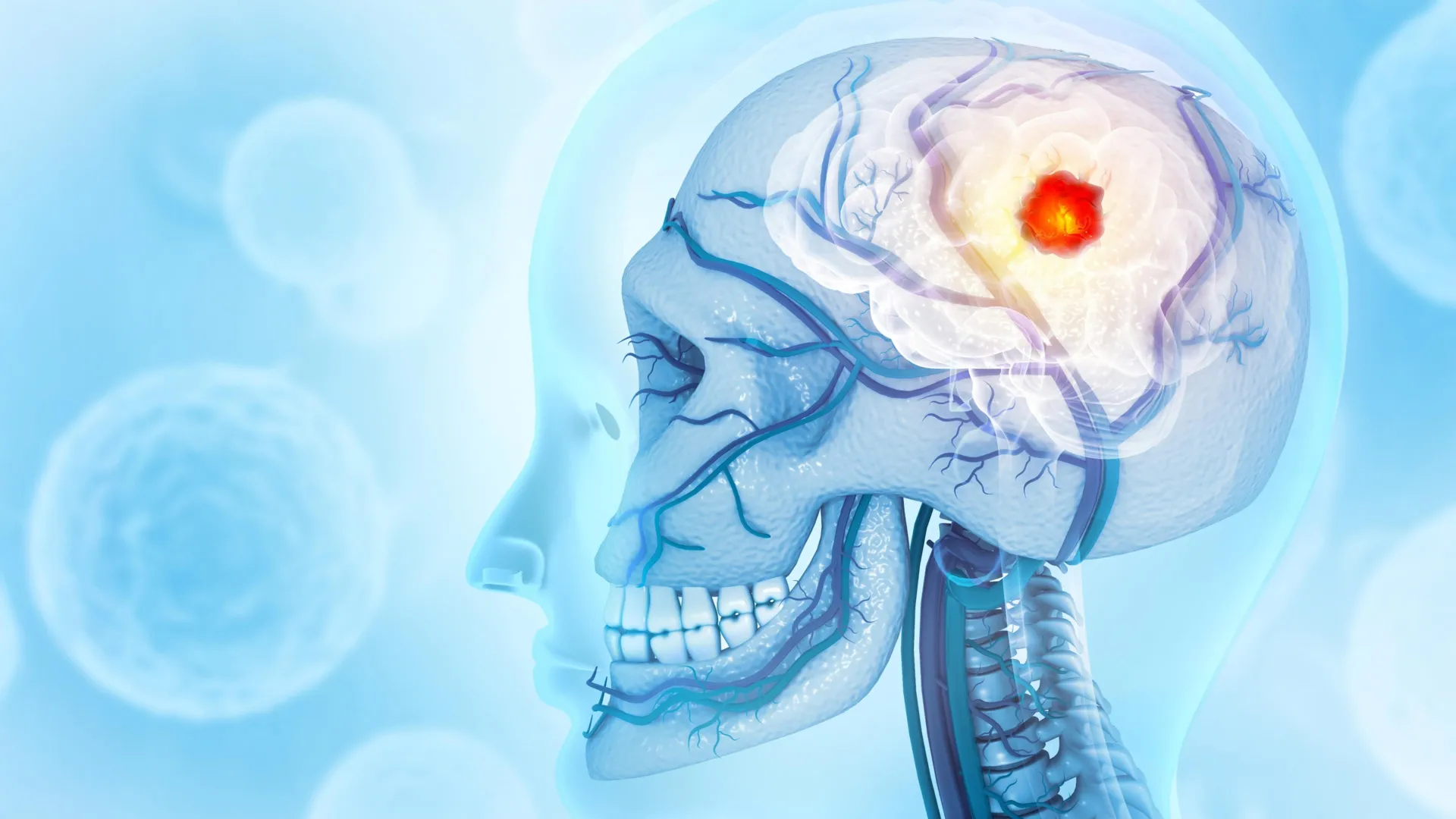
Glioblastoma‘s Unexpected Connection to the Skull: A New Frontier in Brain Cancer Research
Glioblastoma, the most aggressive form of brain cancer, has long presented a formidable challenge to medical science. Recent groundbreaking research, led by Dr. John Behnan at Montefiore Einstein Cancer Centre (MECCC), is revealing a surprising and possibly crucial link between glioblastoma progression and the very structure surrounding the brain - the skull.This isn’t simply about a tumor in the brain, but a complex interplay between the brain, the tumor, and the skull’s marrow, fundamentally shifting our understanding of this devastating disease.
The Revelation: Channels Connecting Skull and Brain
For years, the skull was considered a relatively inert barrier.However,emerging studies have demonstrated the existence of incredibly fine channels connecting the skull with the underlying brain tissue.These channels aren’t new – thay’ve always been present – but their importance in disease, especially glioblastoma, has only recently come into focus. These pathways allow for the bidirectional transfer of molecules and even cells between the skull’s marrow and the brain, creating a previously unrecognized interaction network.
Dr. Behnan and his team’s research, published in Nature Neuroscience, builds upon this foundation. Utilizing advanced imaging techniques in mouse models of glioblastoma, they observed a consistent pattern: tumors induced erosion of the skull bone, particularly at the sutures were the skull plates fuse. This erosion isn’t seen in other neurological conditions like stroke or other brain injuries, nor in systemic cancers, suggesting a unique characteristic of aggressive intracranial tumors like glioblastoma. Crucially, CT scans of human glioblastoma patients mirrored these findings, confirming the presence of decreased skull thickness in corresponding anatomical areas.
How Glioblastoma Hijacks the Skull’s Immune System
The erosion isn’t merely structural damage; it’s a key component of the tumor’s insidious strategy. The researchers discovered that the skull erosion dramatically increased the number and diameter of these skull-to-brain channels. This expansion, they hypothesize, allows glioblastoma cells to manipulate the immune habitat within the skull marrow.
Using single-cell RNA sequencing, a powerful tool for analyzing gene expression at the individual cell level, the team uncovered a dramatic shift in the skull marrow’s immune cell composition. Glioblastoma actively promoted a pro-inflammatory state, nearly doubling levels of neutrophils (a type of white blood cell associated with inflammation) while simultaneously suppressing the production of crucial antibody-producing B cells and other vital B cell populations.
“The skull-to-brain channels essentially become conduits for an influx of pro-inflammatory cells from the skull marrow directly into the tumor,” explains study co-author E. Richard Stanley,Ph.D., professor of developmental and molecular biology at Einstein.”This influx fuels the glioblastoma’s aggressive growth and contributes to it’s frequently enough-untreatable nature.” This finding underscores the need for therapeutic strategies focused on restoring a balanced immune response within the skull marrow – potentially by suppressing pro-inflammatory cells and bolstering T and B cell populations.
Glioblastoma: A Systemic Disease?
Perhaps the most striking revelation of this research is the suggestion that glioblastoma isn’t simply a localized brain tumor,but a disease with systemic implications. Interestingly, the skull marrow and the femur (thigh bone) marrow responded differently to the presence of the tumor. While glioblastoma activated genes in the skull marrow that promoted inflammation, it suppressed immune cell production in the femur marrow. This differential response highlights the unique microenvironment of the skull and its susceptibility to manipulation by the tumor.
The Complicated Role of Bone-Protecting Drugs
Intrigued by the link between bone erosion and tumor progression, the researchers investigated the potential of anti-osteoporosis drugs to intervene. They tested two FDA-approved medications – zoledronic acid and denosumab - in mice with glioblastoma. Both drugs successfully halted skull erosion. However, the results were complex. Zoledronic acid, while preventing bone loss, paradoxically accelerated tumor growth in one type of glioblastoma. Moreover, both drugs interfered with the effectiveness of anti-PD-L1 immunotherapy, a promising treatment that aims to boost the body’s own tumor-fighting T cells.
This finding serves as a cautionary tale, demonstrating that interventions targeting the skull must be carefully considered and potentially tailored to the specific characteristics of the tumor. It also emphasizes the intricate interplay between the immune system, the bone microenvironment, and the tumor itself.
Looking Ahead: A New Era of Glioblastoma Research
This research represents a significant paradigm shift in