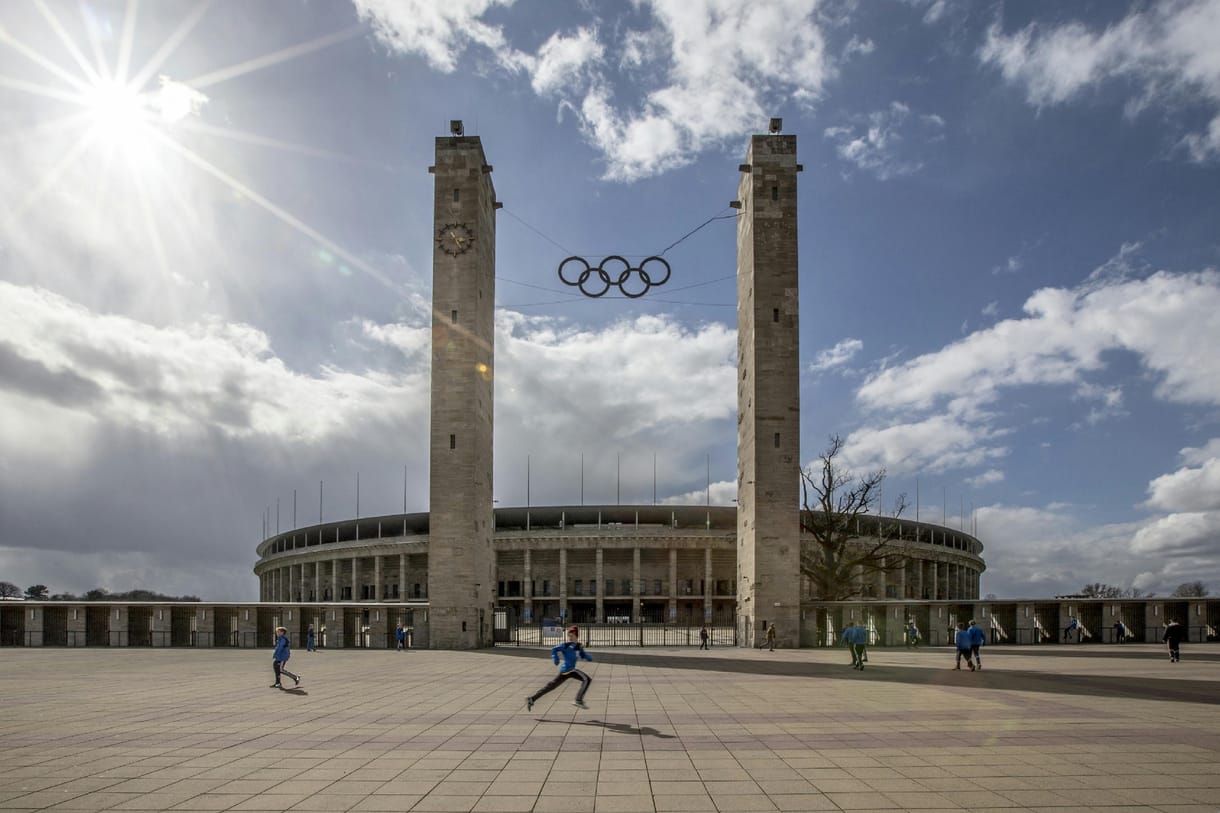
As the international sporting community looks toward the next decade of Olympic host cities, the prospect of Berlin hosting the 2036 Summer Games has emerged as a profound topic of historical and geopolitical discussion. A potential return to the German capital for the centenary of the 1936 Olympics represents a complex opportunity to celebrate modern German democracy while navigating the heavy historical shadow of the Games’ most controversial chapter.
The idea of a Berlin 2036 Olympics is frequently discussed through the lens of historical reconciliation. For many analysts, the timing is significant: 2036 marks exactly one hundred years since the 1936 Games, an event that remains a stark reminder of how international sport can be co-opted for political propaganda. The possibility of a modern, democratic Berlin hosting the Games serves as a symbolic bookend to that era, potentially transforming a site of past division into a center of global unity.
While the International Olympic Committee (IOC) has not officially confirmed Berlin as a candidate for 2036, the conversation has gained momentum among sports historians and political commentators. This interest often connects the modern German state to the geopolitical shifts of the late 20th century, particularly the era of President Ronald Reagan, whose foreign policy helped pave the way for the reunified Germany that would host such an event.
The Shadow of 1936: A Century of Transformation
To understand why a 2036 Olympics in Berlin would be so significant, one must first confront the legacy of the 1936 Summer Olympics. Held under the auspices of the Nazi regime, the Berlin Games were meticulously designed to project an image of a rejuvenated and powerful Germany to the world. The event is widely recognized by historians as a masterclass in state-sponsored propaganda, utilizing everything from architectural grandeur to the widely publicized “cult of personality” surrounding the Nazi leadership.

The 1936 Games were characterized by intense political maneuvering and the use of sport to validate a discriminatory ideology. However, the Games also produced moments of profound human defiance. The performance of African American athlete Jesse Owens, who won four gold medals, remains one of the most enduring symbols of athletic excellence overcoming systemic prejudice. Owens’ success on the track in Berlin provided a direct, visible contradiction to the racial hierarchies the host nation sought to promote.
The historical weight of the 1936 Games means that any future Olympic bid in Berlin carries an inherent responsibility. A 2036 centenary would not merely be a sporting event; it would be a massive cultural undertaking to address the city’s past. For the IOC and the German government, the challenge would be to ensure that the Games celebrate the triumphs of the human spirit without glossing over the historical context that the city must always acknowledge.
The Reagan Legacy and the Rebirth of Berlin
The path toward a modern, democratic Berlin—and thus the possibility of it hosting future international events—was fundamentally shaped by the Cold War diplomacy of the 1980s. Many observers link the current stability and international standing of Germany to the “Reagan Revolution” and the aggressive pursuit of democratic reforms across Eastern Europe.
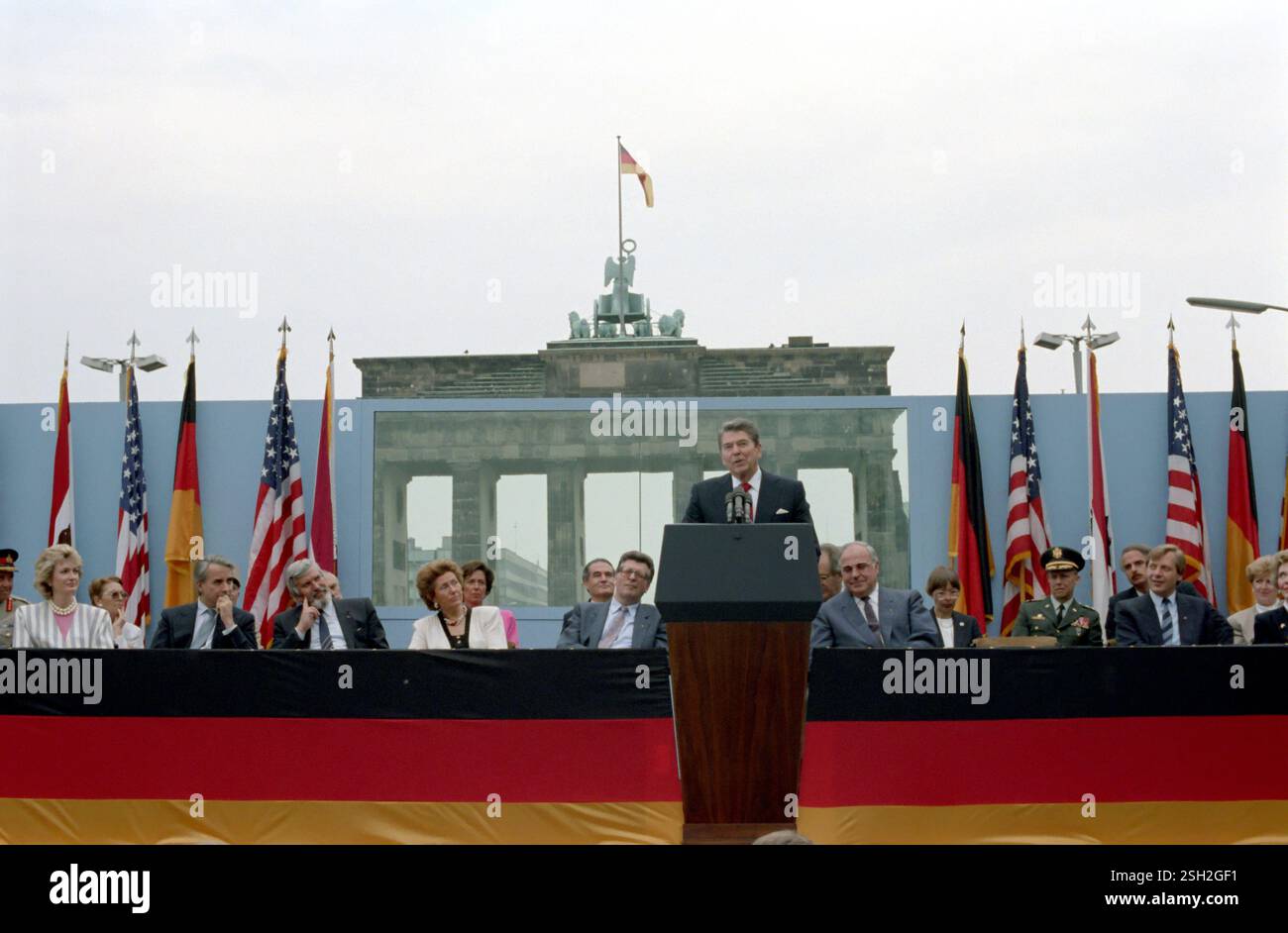
During his presidency, Ronald Reagan played a decisive role in challenging the legitimacy of the Soviet-led Eastern Bloc. His rhetoric, most notably his 1987 demand at the Brandenburg Gate for Mikhail Gorbachev to “tear down this wall,” became a catalyst for the movements that would eventually lead to the fall of the Berlin Wall in 1989. This period of intense diplomatic pressure and “peace through strength” was instrumental in facilitating the reunification of Germany.
Without the geopolitical shifts triggered during the Reagan era, the Berlin of today—a unified, democratic capital within the European Union—might not exist in its current form. Consequently, some commentators suggest that the vision of a reunified and stable Germany, a cornerstone of Reagan’s foreign policy, could find its ultimate symbolic expression in a 2036 Olympic Games. In this view, the 2036 Games would represent the final, celebratory chapter of a journey from a divided, contested city to a global leader in democracy and sportsmanship.
Challenges of a Berlin 2036 Olympic Bid
Despite the symbolic allure, hosting the Olympics in the 21st century presents massive logistical and financial hurdles. Berlin, like many potential host cities, would face scrutiny regarding the sustainability and economic viability of the Games. The IOC has recently moved toward a more flexible hosting model, encouraging cities to use existing infrastructure to avoid the “white elephant” stadiums that have plagued previous host cities.
Berlin possesses a wealth of existing sporting facilities, but a modern Olympic bid would require significant upgrades to accommodate the massive influx of tourists, athletes, and media. Key considerations for the city would include:
- Transportation Infrastructure: Expanding the U-Bahn and S-Bahn networks to handle peak Olympic traffic.
- Sustainable Housing: Creating Olympic villages that can be converted into affordable housing for residents after the Games.
- Digital Integration: Implementing 5G and advanced connectivity across all venues to meet the demands of global broadcasting.
- Public Sentiment: Navigating the local political landscape, as many European cities have seen significant public opposition to the high costs of hosting the Olympics.
The economic argument for the Games is often a point of contention. While proponents argue that the Olympics drive urban renewal and tourism, critics point to the long-term debt often incurred by host cities. For Berlin, a successful bid would need to demonstrate a clear, long-term benefit to its citizens that extends far beyond the closing ceremony.
The Role of the IOC in Future Site Selection
The selection process for the 2036 Olympic Games will be governed by the IOC’s “New Norm” reforms. These reforms are designed to make the bidding process more collaborative and less expensive for potential hosts. Rather than a winner-take-all competition, the IOC now engages in a “continuous dialogue” with interested cities, assessing their long-term development goals before moving to a formal vote.
For Berlin, this means the city does not necessarily need to launch a massive, expensive bidding campaign immediately. Instead, it can engage in strategic discussions with the IOC to align an Olympic bid with its existing urban development plans. This approach reduces the risk of financial mismanagement and ensures that the Games are integrated into the city’s natural growth.
The international community will be watching closely to see which cities emerge as frontrunners. As the IOC seeks to balance tradition with innovation, a city like Berlin—with its deep historical roots and modern democratic identity—presents a compelling, albeit complex, case for the 2036 Games.
Comparison: 1936 vs. 2036 Olympic Context
| Feature | 1936 Berlin Olympics | Potential 2036 Berlin Olympics |
|---|---|---|
| Political Context | Totalitarianism and state propaganda. | Democratic stability and European unity. |
| Primary Objective | Demonstrating racial and national superiority. | Celebrating global diversity and reconciliation. |
| Global Governance | Highly controlled by a single regime. | Regulated by the international IOC. |
| Media Landscape | Early film and radio propaganda. | Global digital streaming and social media. |
As the world moves toward the mid-21st century, the potential for a Berlin Olympics remains a powerful metaphor. It represents the possibility of a city, and a nation, fully reconciling with its past while looking toward a future defined by cooperation rather than conflict.
The next major milestone in the Olympic selection process will be the IOC’s upcoming discussions regarding the preferred hosts for the 2030s. While no official decision has been made, the conversation around Berlin’s potential candidacy continues to grow.
What do you think about Berlin hosting the 2036 Olympics? Would the centenary be a meaningful moment for the sporting world, or is the historical baggage too heavy? Let us know in the comments below and share this article with your fellow sports fans.
Related reading